
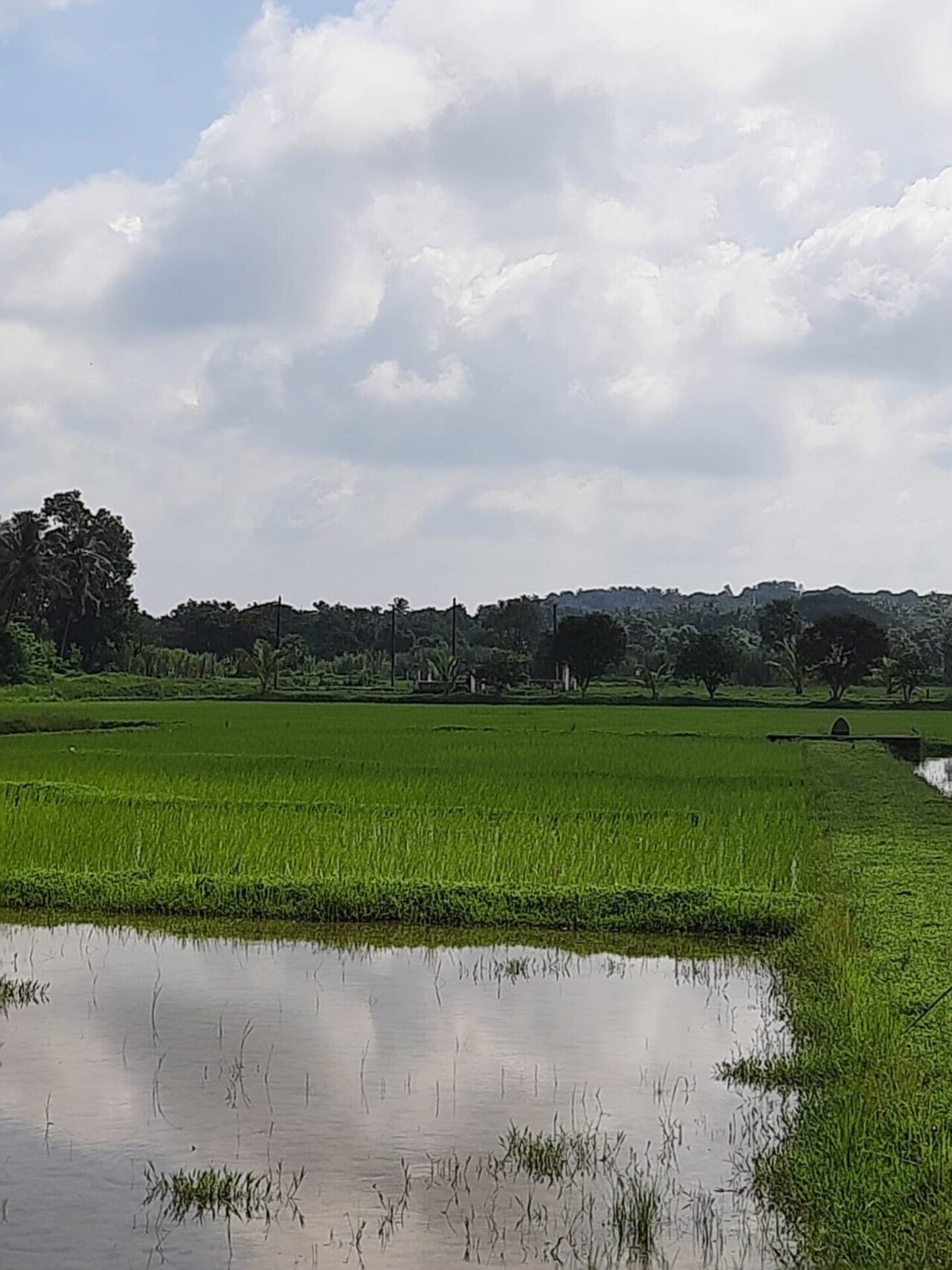
The Japan International Research Center for Agricultural Sciences (JIRCAS) and the International Rice Research Institute (IRRI) have signed a new research collaboration agreement on low-carbon, sustainable rice production, Global Agriculture reports.
IRRI Director General Dr Yvonne Pinto and JIRCAS President Dr Hasegawa Toshihiro signed the agreement at the Japan-IRRI Forum in Tokyo on 13 October 2026.
Two research workplans come first. One will study low-carbon rice systems through soil, microbiome and biological nitrogen fixation assessments, looking at how rice-associated microbes and soil processes can make rice more nitrogen-efficient while cutting greenhouse gas emissions. The other will use field observations and modelling to measure how alternate wetting and drying (AWD), a water-saving practice in which fields are allowed to dry between irrigations, affects rice yields, methane emissions and water use across Southeast Asia.
"With alternate wetting and drying (AWD), for example, we need to understand who decides when to irrigate and what makes adoption practical," said Dr Virender Kumar, IRRI's research director for sustainable impact through rice-based systems.
"JIRCAS and IRRI have built a strong partnership over more than four decades," said Dr Hasegawa. The renewed collaboration, he said, aims to turn scientific advances into practical solutions for low-carbon and climate-resilient rice systems and for farmers' livelihoods and food security across Asia.
Photo: Prathvi Acharya / Wikimedia Commons (CC BY 4.0)
Source: Global Agriculture

Comments
(0)