
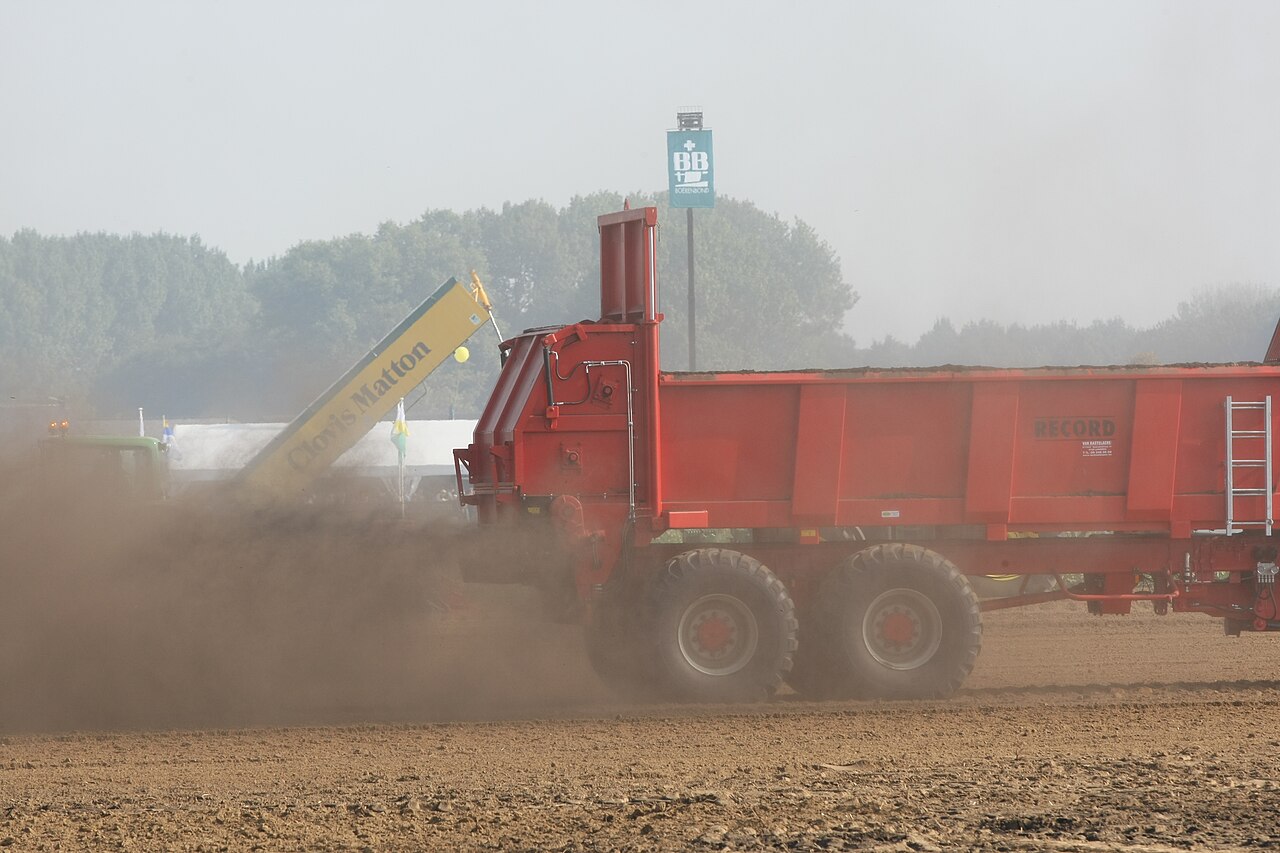
The University of Minnesota Extension has updated its manure application recommendations for non-irrigated corn, so that farmers apply the nitrogen the crop needs and no more. Too much wastes farm resources and raises the risk of water pollution.
Melissa Wilson, the Extension's specialist in manure nutrient management, said the new figures rest on two decades of nitrogen rate research across Minnesota, more than 230 trials, which showed that the previous crop and the soil's own nitrogen supply change how much a corn crop needs.
The old rule of thumb was 1.2 pounds of nitrogen per bushel of corn. The update replaces it with factors based on the previous crop: 0.7 pounds per bushel of historical yield for corn after soybeans, and 0.9 pounds for corn after corn. The result is the total plant-available nitrogen needed per acre from manure and other sources.
Historical yield is the average of a field's last five corn seasons; without records, the five-year county average from USDA's National Agricultural Statistics Service can be used, and a year lost to drought or flood can be swapped for an earlier one. For silage, the yield in tons per acre at 65% moisture is multiplied by 7.5 to get a grain equivalent before the factor is applied.
The Maximum Return to Nitrogen approach used for fertiliser does not apply directly to manure, the Extension notes, because manure's nutrient value and cost differ from farm to farm.
Phosphorus needs watching too: repeated manure applications can build soil phosphorus beyond crop needs, so rates set by the phosphorus a harvest removes help keep the balance. Soil tests and manure analysis estimate plant-available nitrogen and phosphorus, and farmers are advised to count nitrogen from starter fertiliser, irrigation water, legumes and manure or other organic materials applied in the previous two years.
Photo: werktuigendagen / Wikimedia Commons (CC BY-SA 2.0)
Source: Farms.com
Comments
(0)