
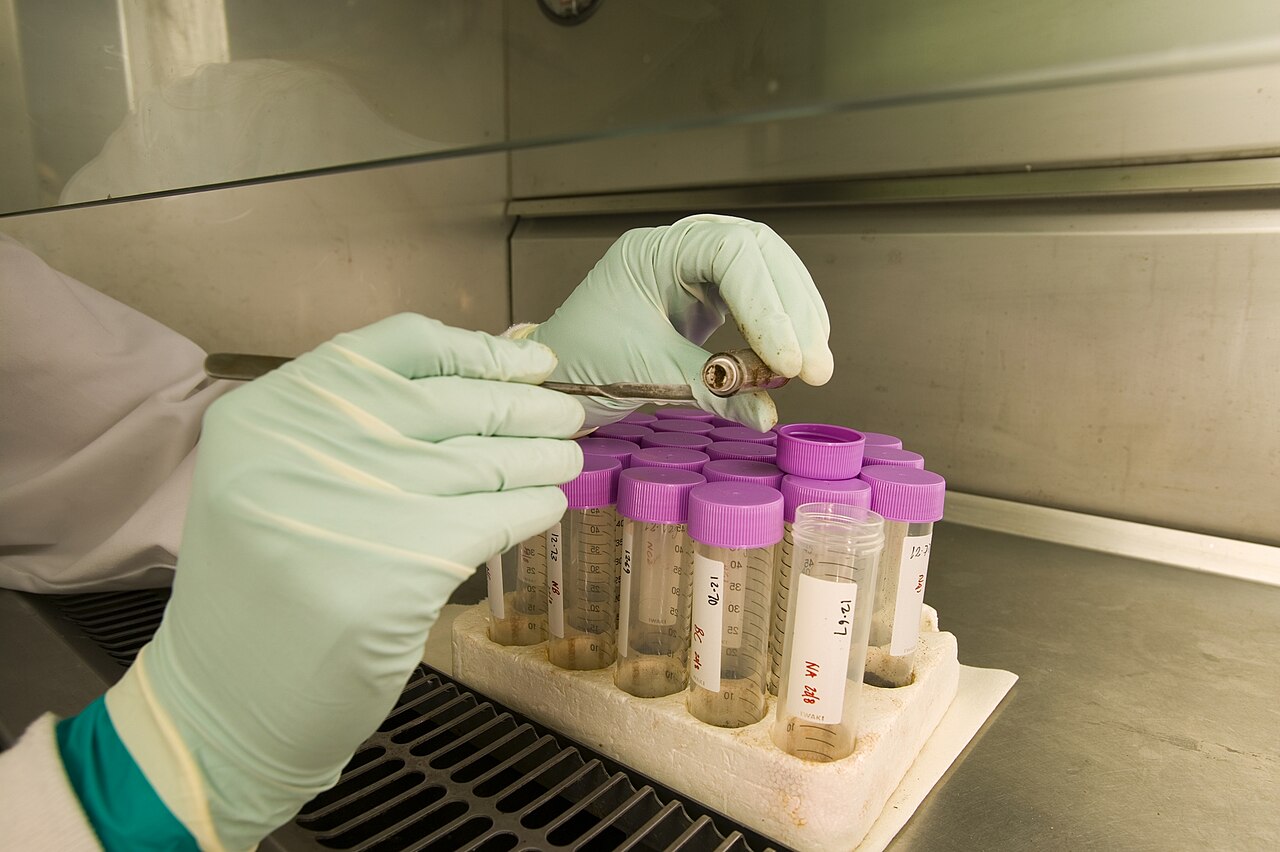
South Africa's deputy minister of water and sanitation, Dr Jack Bloom, has urged farmers to turn treated human waste into fertiliser and irrigation water to cut input costs, Food for Mzansi reported. He spoke to grain producers and industry leaders in Bredasdorp in the Western Cape.
Bloom set the idea against hard numbers: rainfall in the Swartland down 79% on average, wheat planting at a 97-year low, and Middle Eastern ammonia prices doubling within a year. Safely treated human waste yields nitrogen, phosphorus and potassium, the main nutrients in synthetic fertiliser, and because it is produced at home it is shielded from global price shocks, he said. "I want us to turn that cost chain into a value chain: collect, treat, recover, manufacture, sell, use," he said, adding that agriculture is "the biggest potential customer" for what is recovered.
South Africa's large municipal treatment plants produce nearly 640,000 dry tonnes of sludge a year, and smaller plants and pit toilets another 378,000 to 567,000 dry tonnes, according to the report. Bloom also pointed to decentralised treatment systems that use anaerobic tanks, microbial filters and reed-bed wetlands to clean wastewater for crop irrigation without chemicals.
Environmental adviser Dr Anthony Turton said effluent has long been used on pastures in South Africa, but warned that past disposal sites had polluted water: the old AECI site at Modderfontein now feeds nitrates and phosphates into the Hartbeespoort Dam, he said, and a farmer next to the Rooiwal works is suing the state over sewage on his land. "The major one is heavy metal contamination, mostly from eroding copper and lead-treated pipes," he said of the risks, adding that salt in effluent can salinise soil and that brine disposal remains unsolved.
The debate matters wherever fertiliser prices bite: recycled nutrients can replace part of a bought input, but only with testing, careful siting and quality control. The story was reported by Lisakanya Venna.
Photo: David McClenaghan, CSIRO / Wikimedia Commons (CC BY 3.0)
Source: Food for Mzansi

Comments
(0)