
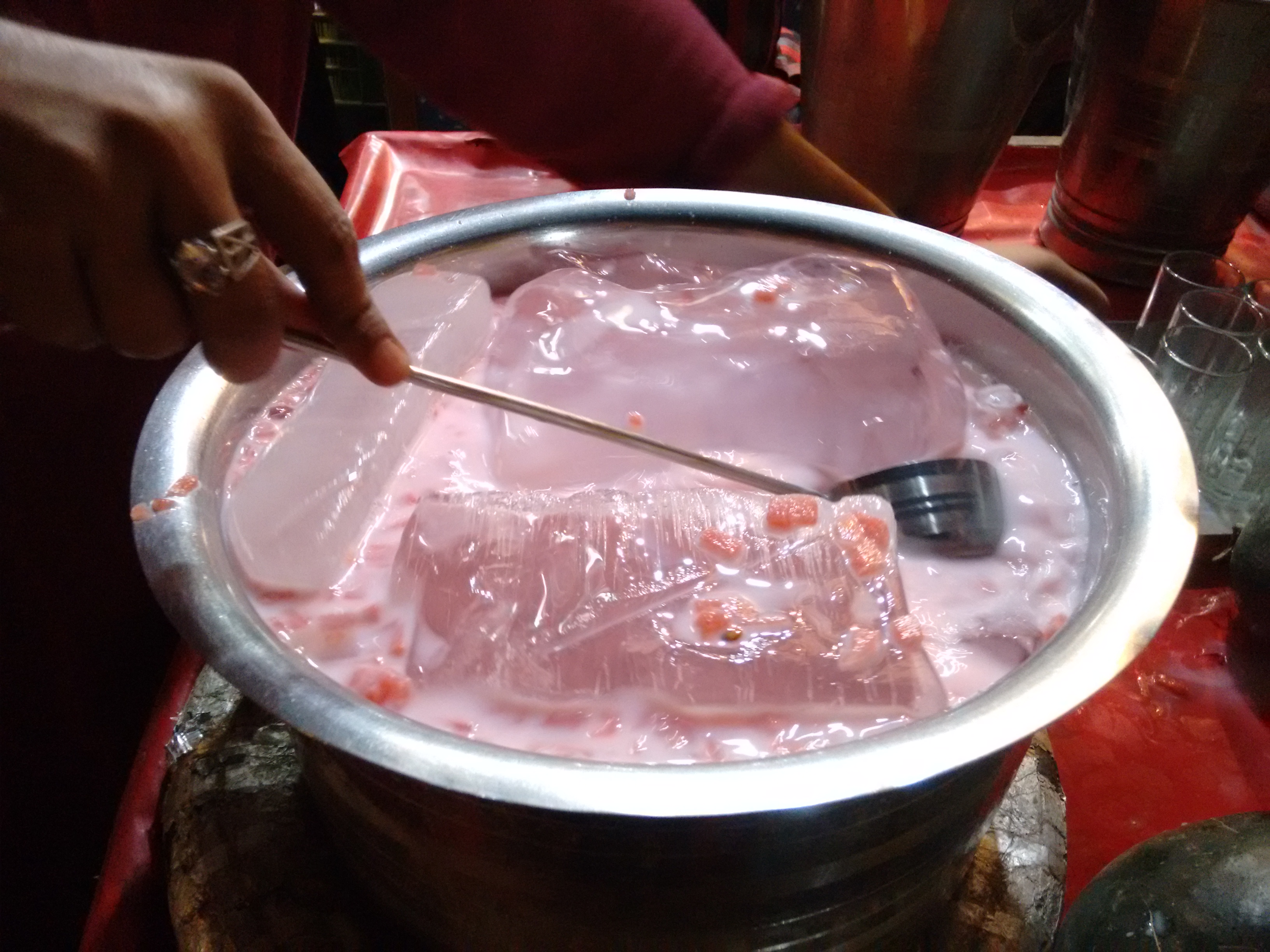
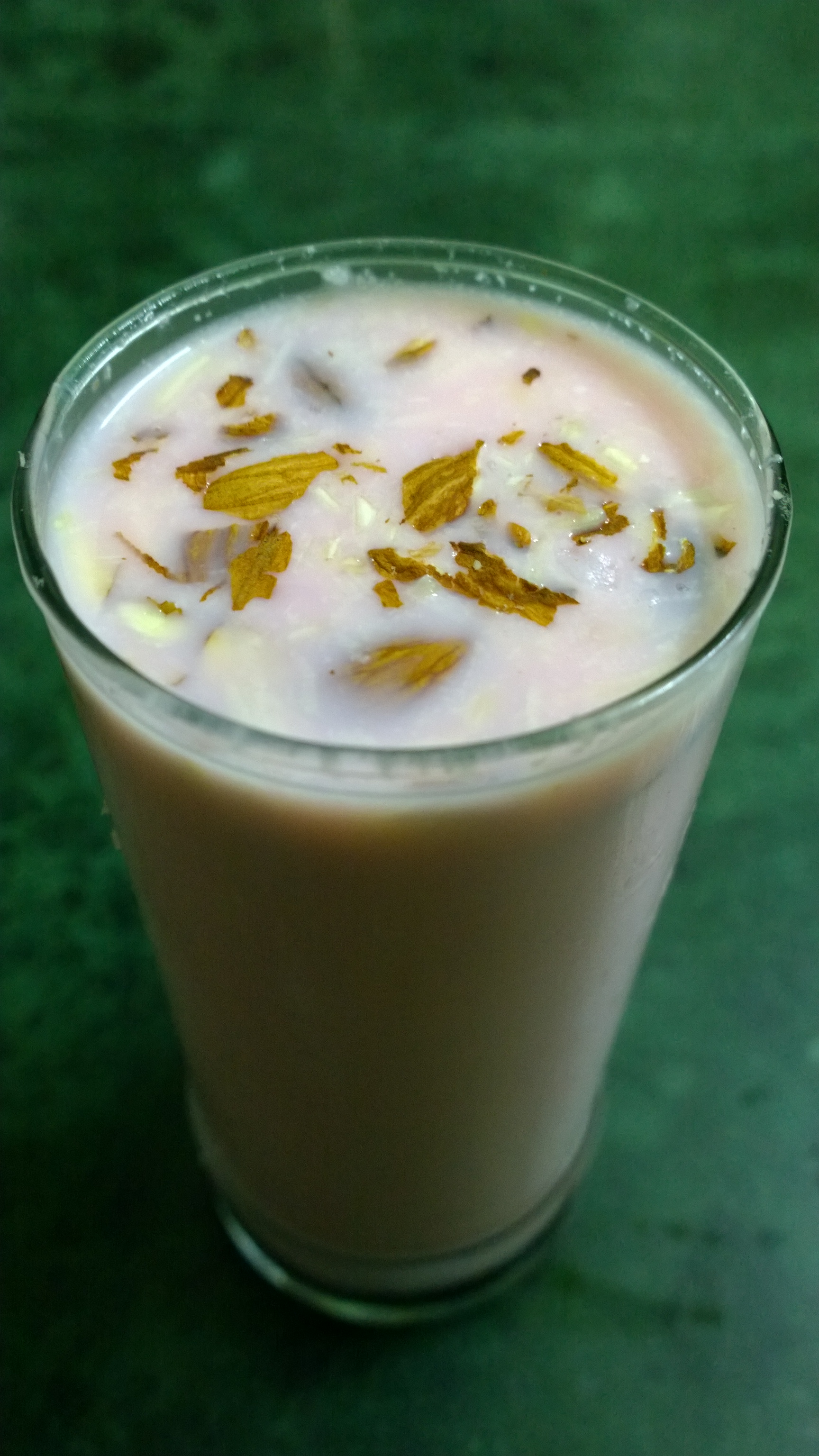
After a day of fasting, many people want something cold to drink first at iftar. On 11 March 2026, during Ramadan, the lifestyle desk of the Bangladeshi news site Jagonews24 published a recipe for one such drink: a cold sharbat of milk and watermelon. It pairs the natural sweetness of juicy watermelon with the smooth taste of milk and is easy to make at home.
Ingredients
According to the Jagonews24 recipe, you need:
- 3 cups liquid milk
- Half a cup milk powder
- A quarter cup condensed milk
- 1 tablespoon cornflour
- Watermelon, as much as you like
- 2 tablespoons Rooh Afza

Method
- Boil all the ingredients except the watermelon and Rooh Afza (the liquid milk, milk powder, condensed milk and cornflour) together.
- Take the mixture off the heat, let it cool, then keep it in the fridge for an hour.
- Meanwhile, cut the watermelon into cubes and chill them in the fridge.
- Finally, stir the Rooh Afza and watermelon cubes into the cold milk and serve.
Rooh Afza is a concentrated squash made from herbs, fruits, vegetables, flowers and roots, first made by Hakim Hafiz Abdul Majeed of Hamdard in Old Delhi and on the market from 1907. In Bangladesh it is made by Hamdard Laboratories (Waqf) Bangladesh, and across the subcontinent it has long been a customary drink at iftar during Ramadan.
What to know about watermelon and milk
Watermelon (Citrullus lanatus) is mostly water. Figures from the US Department of Agriculture's FoodData Central put 100 grams of watermelon at about 91 grams of water and 30 kilocalories, with some vitamin C and lycopene.
In its guidance on eating well during Ramadan, the British Nutrition Foundation advises breaking the fast with plenty of fluids and fluid-rich foods. It says drinks based on milk and fruit provide some natural sugars and nutrients and are good for breaking the fast, but warns against drinking a lot of drinks with added sugars afterwards, as they can supply too much sugar and too many calories. It also advises people with diabetes who plan to fast to see their doctor or healthcare team first. Anyone with diabetes or another health condition should ask a doctor before having sweet drinks like this one.
Hygiene and food safety
The US Food and Drug Administration (FDA) advises washing all produce under running water before preparing or eating it, scrubbing firm produce such as melons with a clean produce brush, and not using soap or detergent. It also says pre-cut produce should be kept in the fridge. On milk, the FDA says raw milk can carry pathogens such as Salmonella, E. coli and Listeria, and that pasteurised milk is safer than raw milk. In this recipe, the milk is boiled at the start.
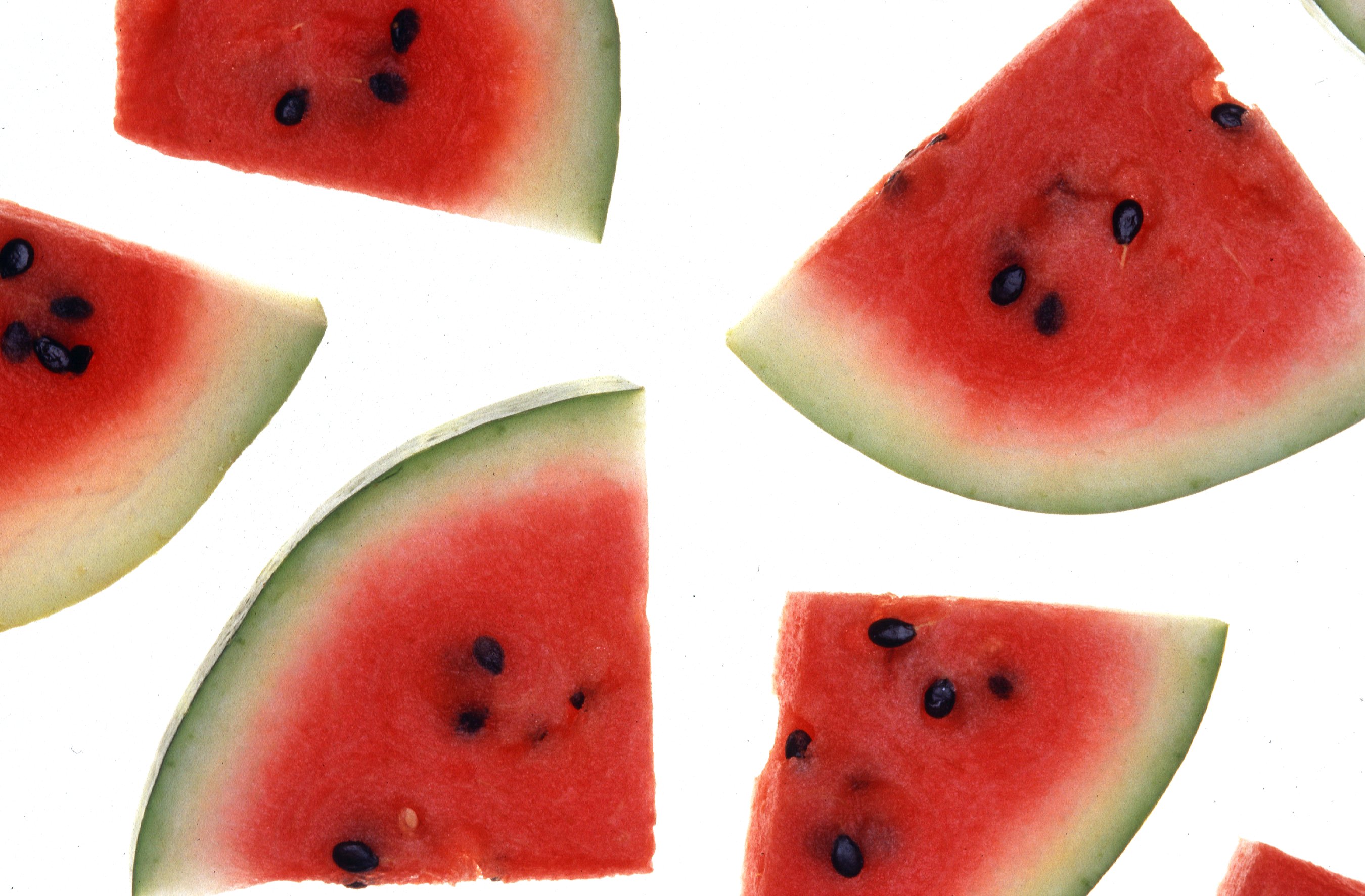
Photo: Anwesha394 / Wikimedia Commons (CC BY-SA 4.0)
Sources: Jagonews24, British Nutrition Foundation, US Food and Drug Administration (FDA), USDA FoodData Central, Wikipedia (Watermelon, Rooh Afza)


Comments
(0)