
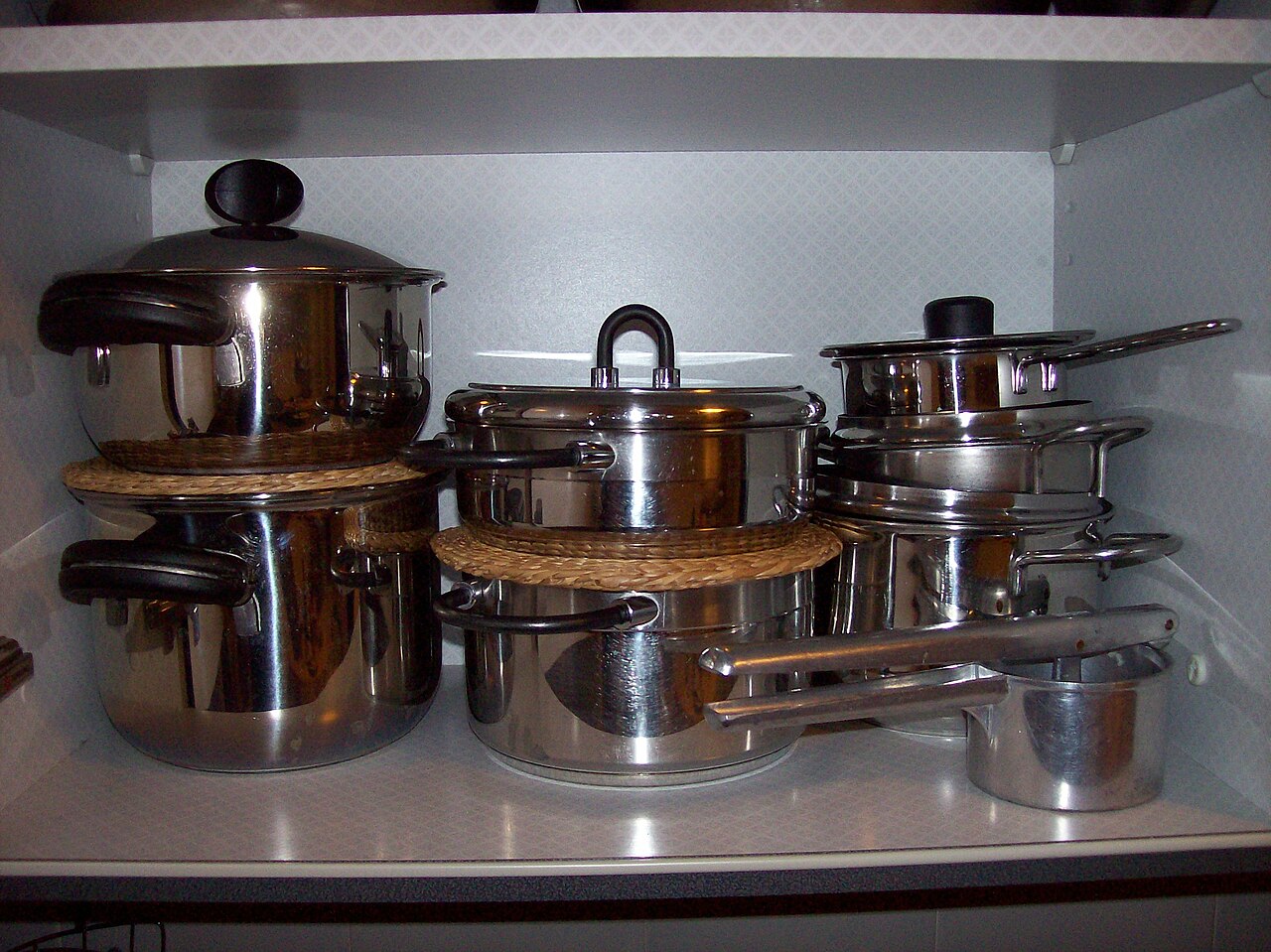
A study by icddr,b and Stanford University in the United States has found a lead risk in some aluminium pots made locally in Bangladesh. With repeated use, the amount of lead passing from a pot into food falls, the study says, but that does not make cooking in old pots safe. The World Health Organization says there is no safe level of lead in the blood, and lead does lasting harm to a growing child's brain, affecting learning and behaviour.
Until policy action comes, two doctors advised families through Prothom Alo: Dr Tasnuva Khan, paediatrician and assistant professor at the Sreenagar Upazila Health Complex in Munshiganj, and Dr Tasnova Mahin, associate consultant in medicine at Square Hospital.
Stainless steel is a good alternative, and cast iron, clay or ceramic pots also work. Buyers should check that the pot comes from a reliable maker and is fit for cooking, and that the glaze on clay and ceramic ware is lead-free. The Teflon coating of non-stick pans can break down and give off harmful gases at around 360 degrees Celsius or more, so an empty non-stick pan should not be left on the flame for long, and the maker's instructions should be followed.
Where pots cannot all be replaced overnight, the advice is not to cook sour dishes, such as sour dal, chutney, pickle or anything with vinegar, in aluminium. Such pots should be cleaned with a soft sponge rather than a metal scourer, metal spatulas avoided, and acidic cleaners such as lemon or vinegar not used.
The doctors stressed that these precautions only lower the risk; they do not remove the lead risk from aluminium pots entirely. For serving and storing food they recommend food-grade stainless steel, glass, clay or ceramic containers.
Homes with small children should think about changing pots first, since lead does the most harm to growing children. The report is by Rafia Alam.
Photo: Poecus / Wikimedia Commons (Public domain)
Source: Prothom Alo


Comments
(0)