
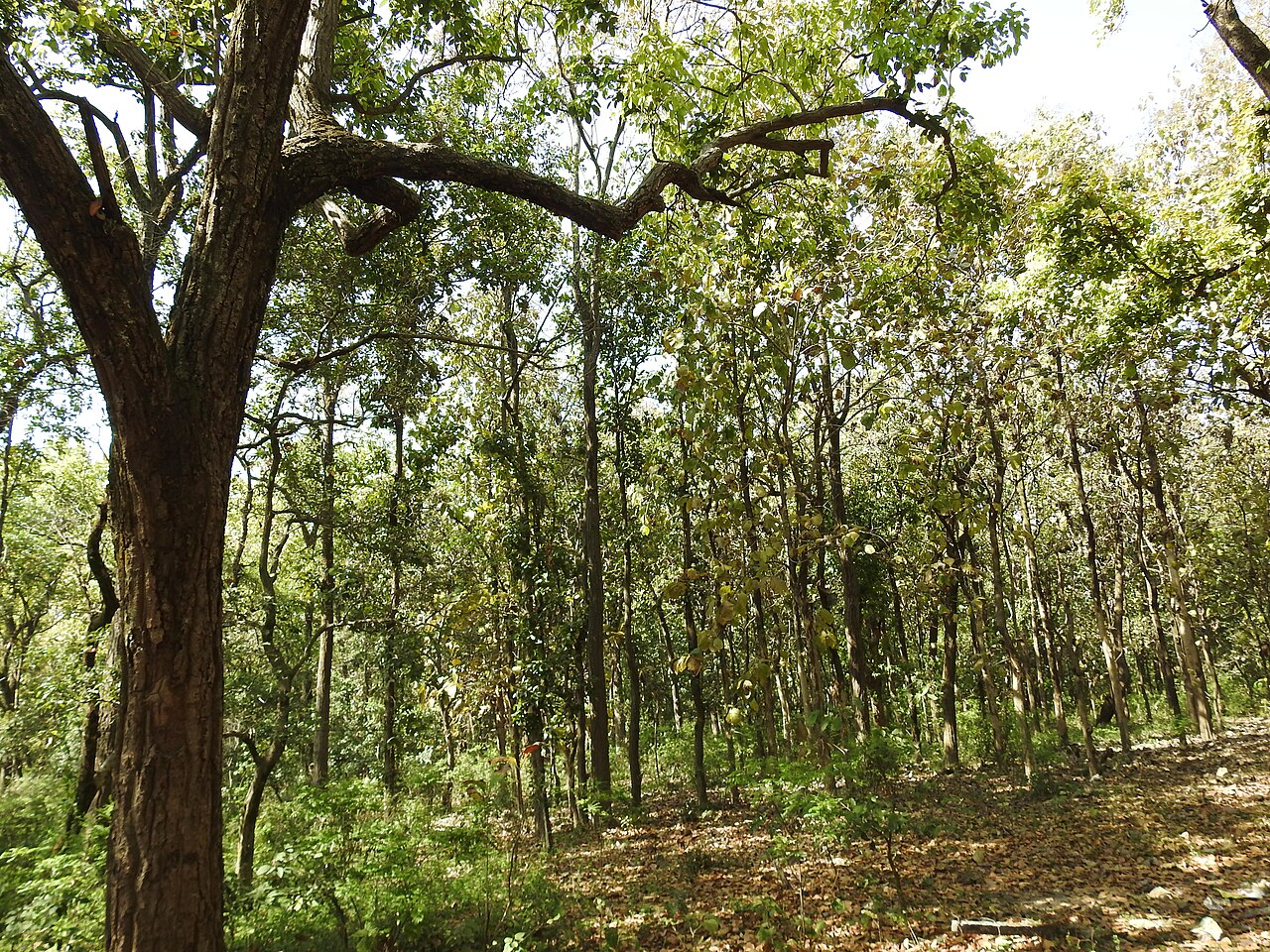
Madhya Pradesh's Forest Department trapped nearly two million sal borer insects in Dindori district during the monsoon, spending about Rs 40 lakh, yet the infestation continues, Down To Earth reports. Nearly a third of the approximately 150,000 trees identified for felling have been cut.
The pest hit more than 30,000 hectares of sal forest in the Dindori division last year. The department cut 6,769 unaffected trees to use as traps in an operation that ran from 1 June to 31 July. Residents of Chauradadar and Sontirath, among the worst-hit villages, say it ended too soon. Sub-divisional officer Surendra Jatav confirmed that the infestation remains severe.
The felling is the sharper dispute. The division's working plan says felling in sal forests should finish before June, because cutting in the monsoon can attract the insects and encourage them to breed. Approval from a regional committee of the environment ministry came only on 1 September, covering 146,784 trees in Dindori and 9,535 in Anuppur, and cutting began that month. Trees felled in September and October were also left scattered in the forest instead of being moved to depots.
Entomologist Uday Homkar of the State Forest Research Institute in Jabalpur suggested reassessing the remaining trees, since the insects have already emerged and some trees may have recovered. Ram Prasad, a former principal chief conservator, urged a halt at a workshop in Bhopal on 23 October. "Trees that are still green and standing are absorbing carbon and are part of the ecosystem," he said.
Principal Chief Conservator B S Annagiri said outbreaks can persist for three to four years and this one will probably continue into next year. The situation would be reviewed through site inspections, he said, and any further necessary felling could be arranged before the next monsoon.
Photo: Anand.osuri / Wikimedia Commons (CC BY-SA 4.0)
Source: Down To Earth


Comments
(0)