
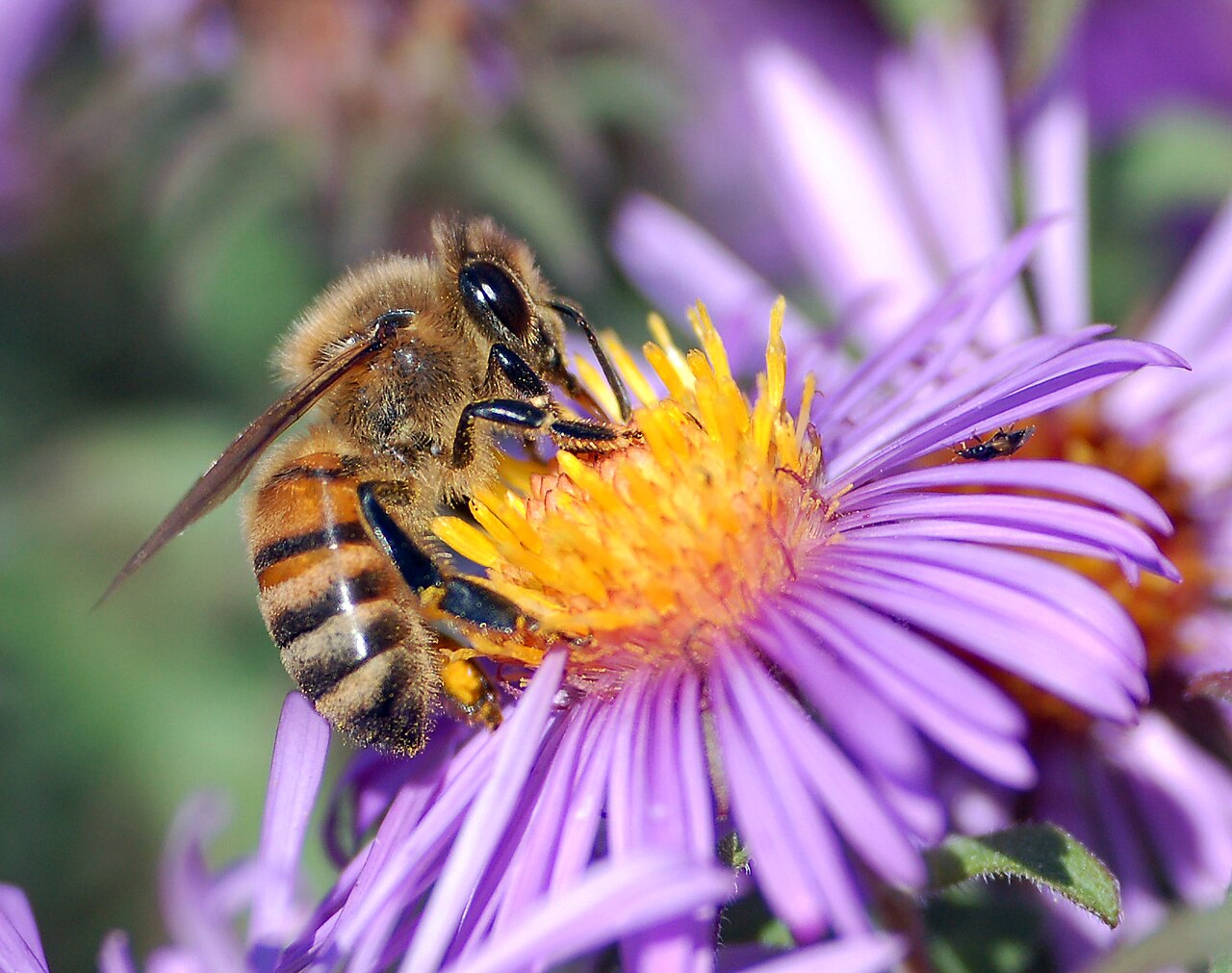
The Food and Agriculture Organization of the United Nations opened the first Global Pollinator Conference at its Rome headquarters on Thursday, urging governments to turn international pledges on pollinators into action in farmers' fields. The meeting runs through 6 November.
FAO Director-General QU Dongyu told delegates that pollinators are fundamental to agrifood systems. "About 75 percent of the world's most important food crops rely on pollination for the quantity, quality and diversity of our foods," he said.
The agency listed the pressures on pollinators as habitat loss, the climate crisis, invasive species, diseases and unsustainable agricultural practices. Qu said the response must move beyond commitments to "concrete actions leading to tangible results on the ground".
The main item on the table is a possible Global Pollinator Platform. FAO members, through the Commission on Genetic Resources for Food and Agriculture, have given the agency a mandate to work towards one. It would connect existing initiatives, help countries share knowledge and support action at national level, building on earlier work that includes the International Pollinator Initiative under the Convention on Biological Diversity.
Delegates are also discussing locally led action and the part played by Indigenous Peoples, local communities, farmers, women and young people in protecting pollinators while keeping food production going.
Qu said better coordination must be matched by "sustained investment, stronger partnerships and practical solutions" for farmers and other producers. The conference also recognised Slovenia's leadership on the issue; President Nataša Pirc Musar and Astrid Schomaker, Executive Secretary of the Convention on Biological Diversity, addressed the opening session by video message.
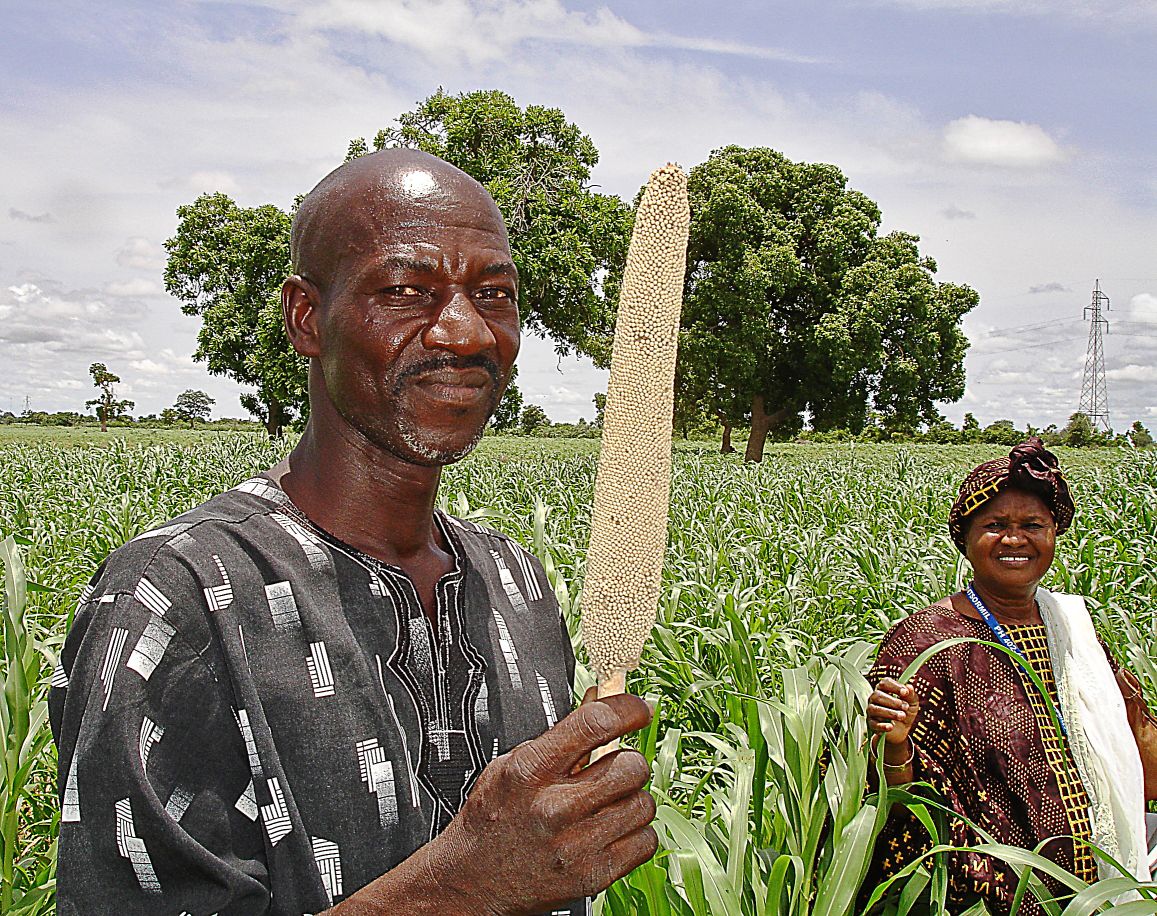
Photo: John Severns / Wikimedia Commons (Public domain)
Source: FAONewsRoom
Comments
(0)