
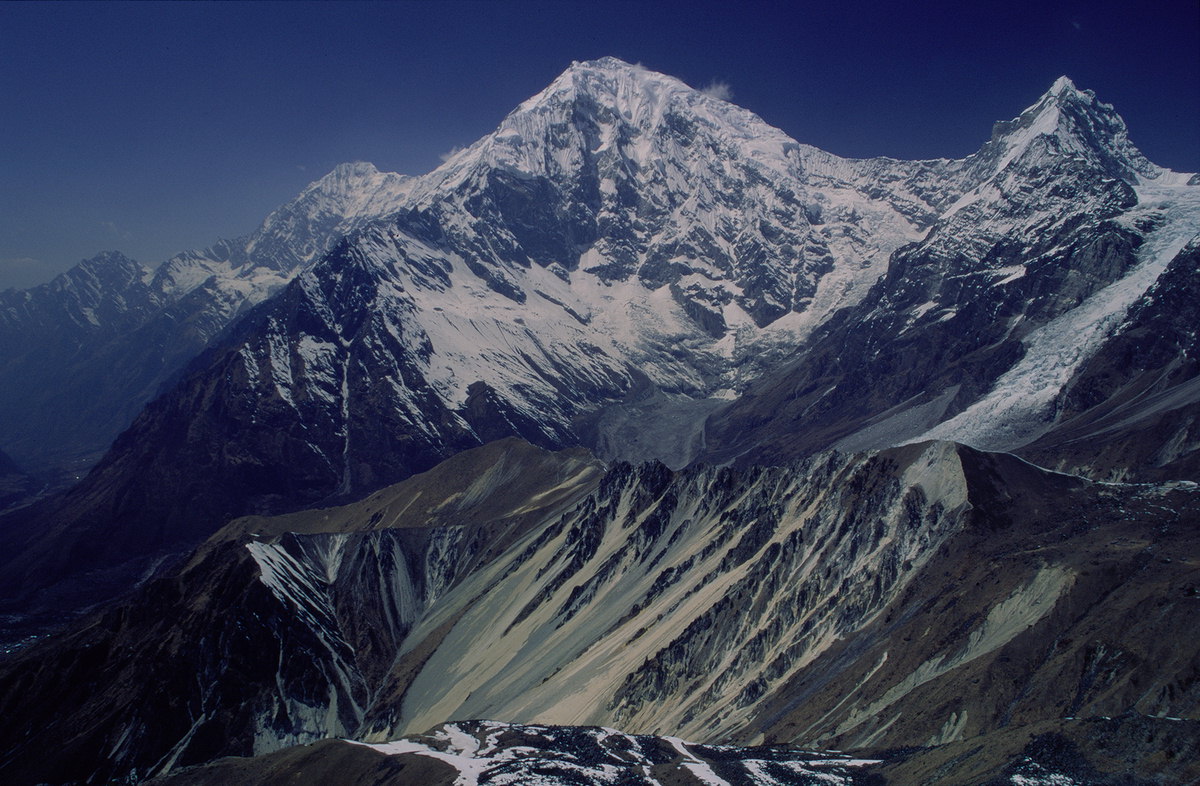
The Fund for Responding to Loss and Damage (FRLD) has provisionally set aside $21.6 million for Nepal after the devastating floods of August 2026, the first time the climate fund has responded to a specific disaster. The amount covers less than half a percent of the country's estimated recovery needs.
The fund let Nepal submit a request under a pilot approach within its Barbados Implementation Modalities, the initial operational phase whose first call for proposals was announced at the COP30 climate talks in Belém, Brazil, in November 2025. Nepal sent its proposal on 31 August 2026.
The Bhote Koshi flash floods followed a collapse of rock and ice from a glacier on Langtang Lirung mountain near the Nepal-China border, a disaster attributed to warming temperatures and changes in the mountain's geology. The torrents destroyed several hydropower dams in the Trishuli river system and swept away villages, leaving at least 1,451 people dead and 5,745 missing, according to the International Centre for Integrated Mountain Development. The government put total loss and damage at about $2.7 billion, and a joint post-disaster needs assessment estimated the cost of recovery at $4.77 billion.
"By stepping up to meet this moment, the Board has shown that we can adapt our operations to the pressing needs on the ground," said Ibrahima Cheikh Diong, executive director of the FRLD. The fund was set up at COP27 in Sharm el-Sheikh in 2022 and made operational at COP28 in Dubai in 2023.
Campaigners welcomed the decision but criticised the seven weeks it took. Harjeet Singh, global convenor of the Fill the Fund campaign, said developed countries had backed the money while insisting it must not set a precedent, and called for "a permanent rapid-response system that moves support in days, not months". Jocelyn Perry of Refugees International urged a simplified direct-access window with small grants for community groups.
The Fill the Fund campaign said research estimates that economic loss and damage in developing countries could average around $400 billion a year by 2030, far beyond a response measured in tens of millions.
The story was reported by Akshit Sangomla for Down To Earth.
Photo: Ahtih / Wikimedia Commons (CC BY-SA 3.0)
Source: Down To Earth

Comments
(0)