
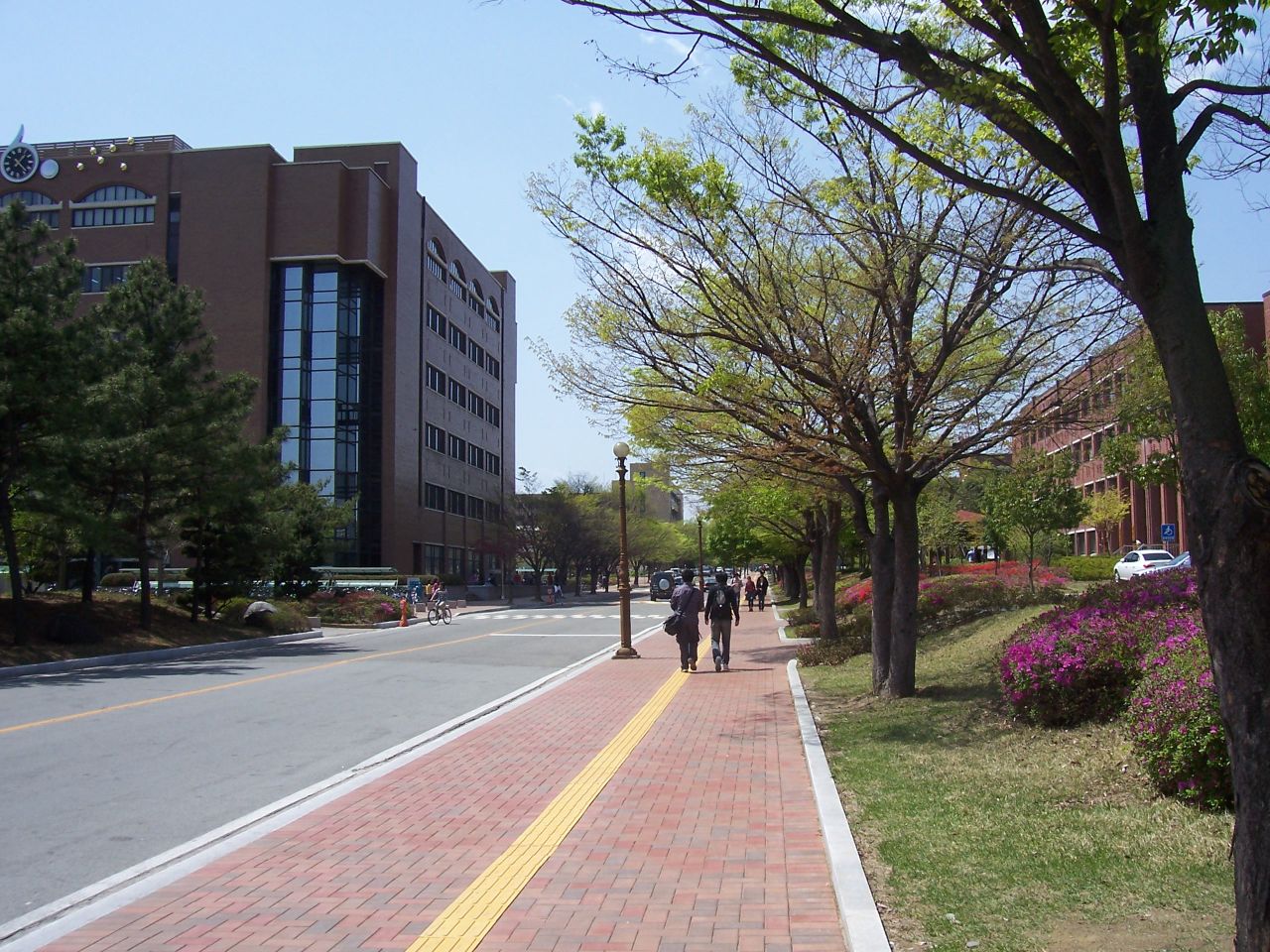
Researchers at Gyeongsang National University in South Korea have developed a whole-cut cultivated meat that combines cultured animal muscle cells with plant proteins, and say the method can cut production costs by up to 80 percent, Green Queen reported. The project was funded by the Korean food and agriculture ministry and the Korea Institute of Planning and Evaluation for Technology in Food, Agriculture and Forestry (IPET) under a programme for high-value food technology.
Most cultivated meat prototypes so far have been ground products such as burgers and nuggets, which often disappoint on texture. The Korean team mixed cultured muscle cells with pea, soy and wheat proteins, spun the mixture into thread-like artificial muscle fibres and bundled them into a three-dimensional block with a texture reminiscent of beef. A coating of vegetable oils and beef tallow then reproduces the fat distribution, marbling and chewiness of cuts such as sirloin and tenderloin.
The researchers also built factory-scale equipment that extrudes and bundles the fine fibres in large volumes, in a process the report likens to pulling noodles. Costs came down because the scaffolds used in cell culture are reused and cheaper culture methods replace expensive media and disposable scaffolds. If the product is commercialised, it could sell for about 40,000 won ($30) a kilogram, around half the price of grade 1 Hanwoo sirloin.
"Domestic university researchers have secured world-class cultured meat technology necessary to solve future food issues," an IPET official said, adding that the agency would support the technology until it reaches dining tables. The team set up a startup, Orange Cow, from the lab in 2024, and it is now developing products from the completed prototype.
Regulatory approval remains the main hurdle. In South Korea novel foods such as cultivated meat are regulated by the Ministry of Food and Drug Safety, and the government has created a regulation-free special zone in Gyeongbuk to speed commercialisation. Several startups, including CellMeat, Simple Planet and SeaWith, are seeking approval, and the report cites polling showing that 90 percent of Koreans are willing to try cultivated meat.
For livestock producers, the hybrid approach matters because it is the route nearly every cultivated meat company that has reached the market has taken: real animal cells, but much of the bulk from crops such as peas, soy and wheat.
Reporting by Anay Mridul for Green Queen.
Photo: Weli'mi'nakwan / Wikimedia Commons (CC BY 2.0)
Source: Green Queen


Comments
(0)