
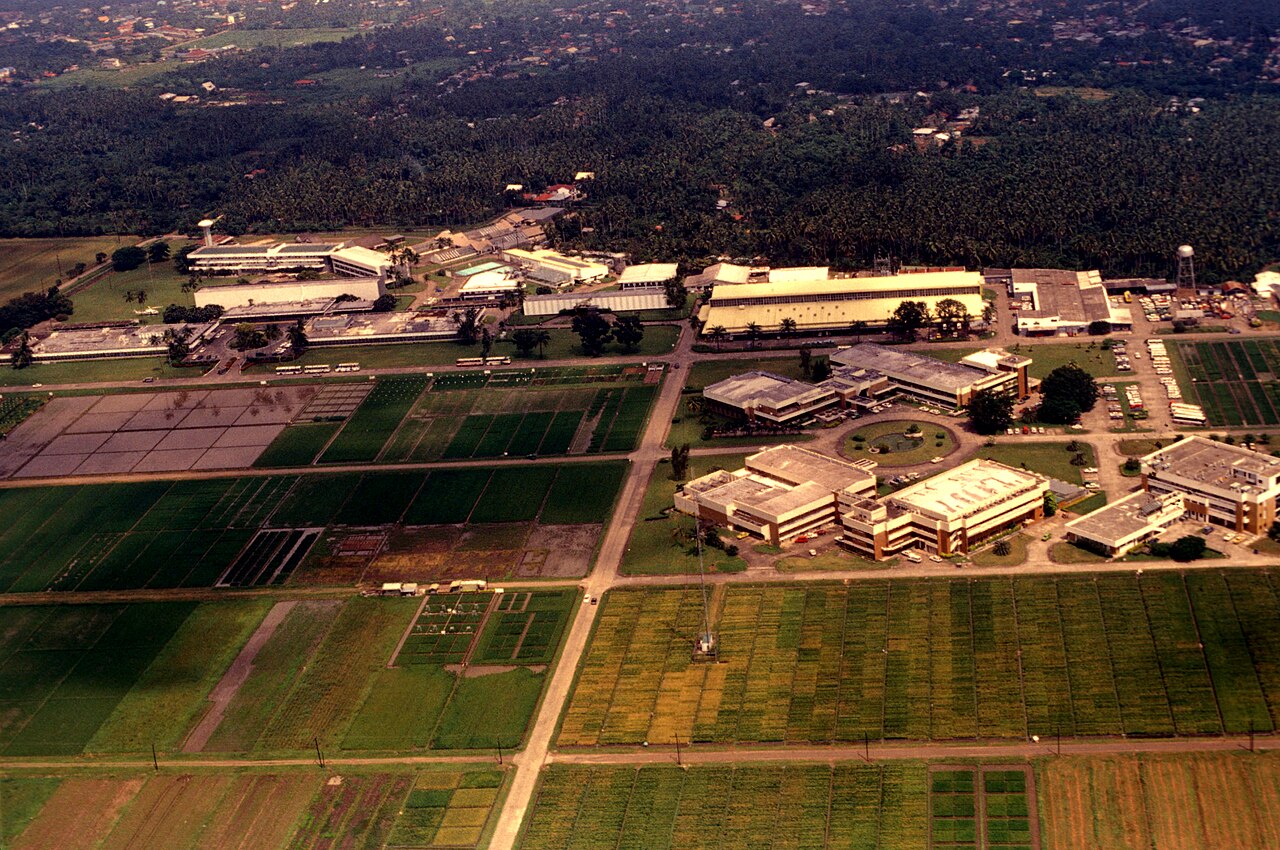
New agricultural science is being produced faster than ever, yet relatively little of it reaches farmers at commercial scale, and the missing ingredient is trust, a panel at the Asia Pacific Agri-Food Summit in Singapore agreed, AgNavigator reported. Dr Yvonne Pinto, director general of the International Rice Research Institute (IRRI), who moderated the session, called the problem "urgent" in the region: Asia Pacific still accounts for 40 percent of the world's hungry, and South East Asian smallholders need about $100 billion a year in financing while current flows meet less than a third of that.
Jasper van Halder, chief innovation officer at the New Zealand farmer-owned cooperative Ravensdown and chief executive of Agnition Ventures, said trust was the "biggest gap". Farmers want to work their land, he said, not read magazines or go to conferences; they turn to trusted advisers and, most of all, look at what their neighbours have done. Ravensdown has set up a network of a couple of hundred farmer beta testers who try new technologies in real conditions, with the cooperative doing the scouting for them.
Fan Shenggen, dean of the Academy of Global Food Economics and Policy at China Agricultural University, said survey findings in China show government and scientific institutions remain among the most trusted sources of information, and urged companies to work with policymakers and scientists when bringing technologies to smallholders.
Gareth Edgecombe, chief executive of the fresh produce group T&G Global, best known for apple varieties such as Envy, said his company has bred apples that perform under heat stress and water scarcity, but scaling them is held back by fragmentation: many smallholders cannot fund concept testing and are too far from consumers to capture the value. T&G uses collective trials that spread testing costs and payment terms under which growers pay for an innovation only once it earns revenue.
Marisa Soares, senior vice-president for global open innovation at Yara International, called it a "systematic problem" that needs "collective trust" across many players, citing a soil health accelerator Yara ran in Kenya with the World Bank and Kenyan government institutions, and Chinese smallholder systems in which trust starts with a clear government strategy.
For smallholders across Asia, the panel's point is familiar: a new seed, sensor or input spreads when a neighbour, an extension officer or a research station has shown that it works.
Reporting by Amanda Lim for AgNavigator.
Photo: IRRI Images / Wikimedia Commons (CC BY 2.0)
Source: AgNavigator


Comments
(0)