
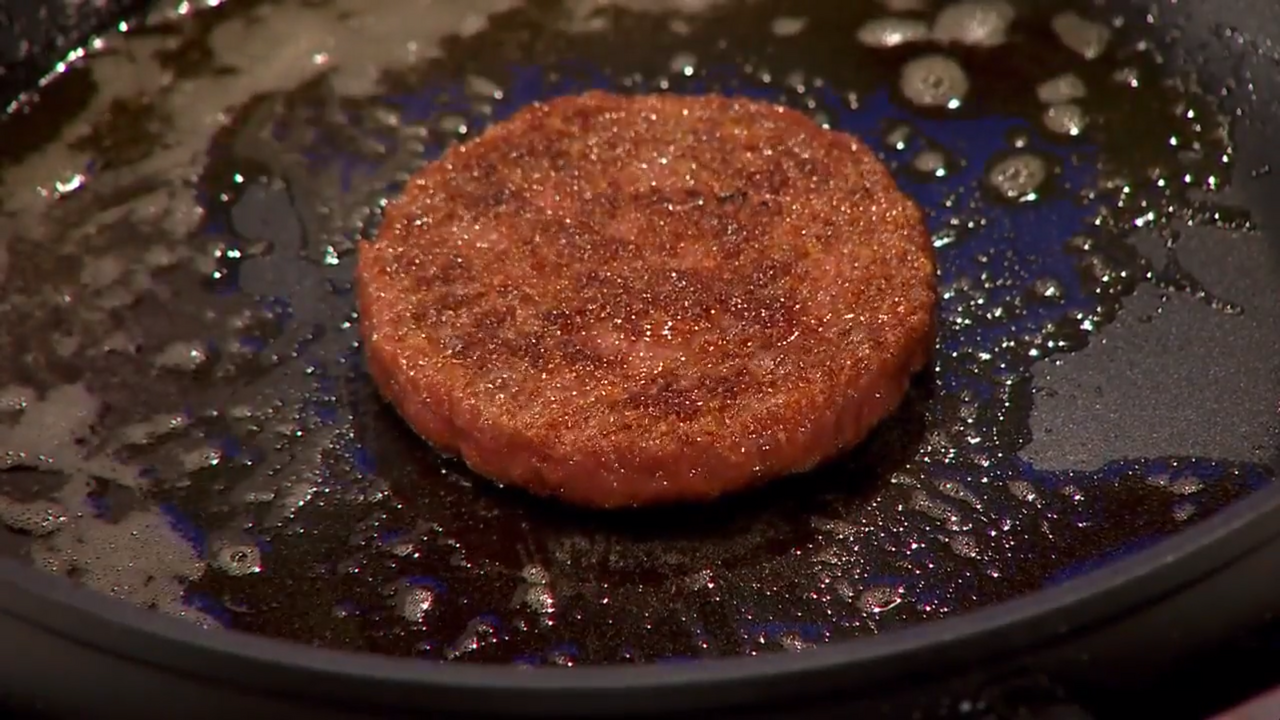
As cultivated meat moves towards wider sale, the industry's next test is not only scaling production but proving the product is safe, FoodNavigator reported. So far no published study has shown that eating cultivated meat causes adverse health effects, yet research has not established that it is entirely risk-free either, and a UK parliamentary briefing found in 2025 that no peer-reviewed study had directly examined the effects of eating it.
The sector has grown fast since Mark Post's team at Maastricht University in the Netherlands showed the first cultivated beef burger in 2013, at a cost of $325,000. By the end of 2025 more than 140 companies worldwide were developing cultivated meat, seafood or related ingredients, according to the Good Food Institute. Their methods differ: Aleph Farms uses a plant-protein scaffold for steak-like cuts, Upside Foods grows chicken cells without one and Good Meat has developed a serum-free growth medium.
"The safety of cultivated meat largely depends on what is being cultivated," said Jaydee Hanson, policy director at the Center for Food Safety in Washington. Piotr Rzymski, a researcher in environmental medicine at Poznan University of Medical Sciences in Poland, listed the potential hazards researchers have identified: microbial contamination during cell culture, which antimicrobials cannot reliably remove, and residues of growth-media components in the finished product. Differences in nutritional composition may also need clear labelling.
Kimberly Ong, a safety and regulatory consultant at Vireo Advisors in Boston, argued that because the cells grow in a tightly controlled process with well-characterised inputs, hazards such as contamination or media residues can be identified and assessed with existing scientific methods, although each product still needs its own safety assessment.
Halal compliance is a separate question. Rzymski said the origin of the starter cells, whether from living or halal-slaughtered animals, and the use of foetal bovine serum, animal-derived growth factors and scaffolds may conflict with halal requirements, and that a product shown to be safe is not automatically halal. His team proposes a "Halal-by-Design" approach, with animal-free media, harmonised certification and scientists, regulators and Islamic scholars involved from the start, which they consider especially important in markets such as Indonesia and the Middle East.
Trust may be the hardest part. A survey of 1,540 Australian adults by Gie Liem of Deakin University found that perceived benefits influenced acceptance even more than perceived risks, and that more scientific information alone is unlikely to win consumers over. For livestock farmers watching the technology, the message is that its path to market runs through regulators, certifiers and shoppers' confidence, not only through the laboratory.
Photo: World Economic Forum / Wikimedia Commons (CC BY 3.0)
Source: FoodNavigator

Comments
(0)