
Kenya has launched a National Pesticide Residue Monitoring Framework, a single national system for generating, analysing and sharing data on pesticide residues in food. The government says the information will support regulators, give consumers safer food and help Kenyan produce keep its place in domestic and export markets.
The framework was developed with technical support from the CABI-led PlantwisePlus programme, through its Pesticide Risk Reduction pathway. It was drawn up by a multisector team that includes the Pest Control Products Board, the Kenya Plant Health Inspectorate Service (KEPHIS), the Agriculture and Food Authority's Horticultural Crops Directorate and the Ministry of Health's food safety division, with retailers, exporters, laboratories, a university and the county governments of Nyeri, Nandi, Makueni, Nyandarua, Mombasa and Meru.
It took more than two years. A national writeshop in 2024 drafted the framework, with advice from a former head of the US Department of Agriculture's Pesticide Data Program, and the partners studied residue monitoring in the United States, China and India. Between May and June 2025 it was piloted in five farming counties, Kirinyaga, Kiambu, Kajiado, Narok and Taita Taveta, and the lessons shaped the final framework and its operating procedures, whose development TradeMark Africa supported.
"Food control is multisectoral," Agriculture Secretary James Wanjohi said at the launch. He said pesticides play a vital role against pests and diseases, but their use must be regulated and guided by Good Agricultural Practice.
Dr MaryLucy Oronje, CABI's senior scientist for sanitary and phytosanitary measures, said the framework will build confidence in Kenyan produce among domestic consumers, traders and export markets. Dr Melanie Bateman, CABI's global lead on synthetic pesticides, called it a significant milestone in reducing pesticide risks. CABI and its partners are now asking governments and development partners to fund residue monitoring and data sharing so the system can run.
For growers of vegetables, fruit and other horticultural crops, the framework means residue checks that are coordinated rather than scattered across agencies, the kind of evidence importers increasingly ask for. The account was released by CABI.
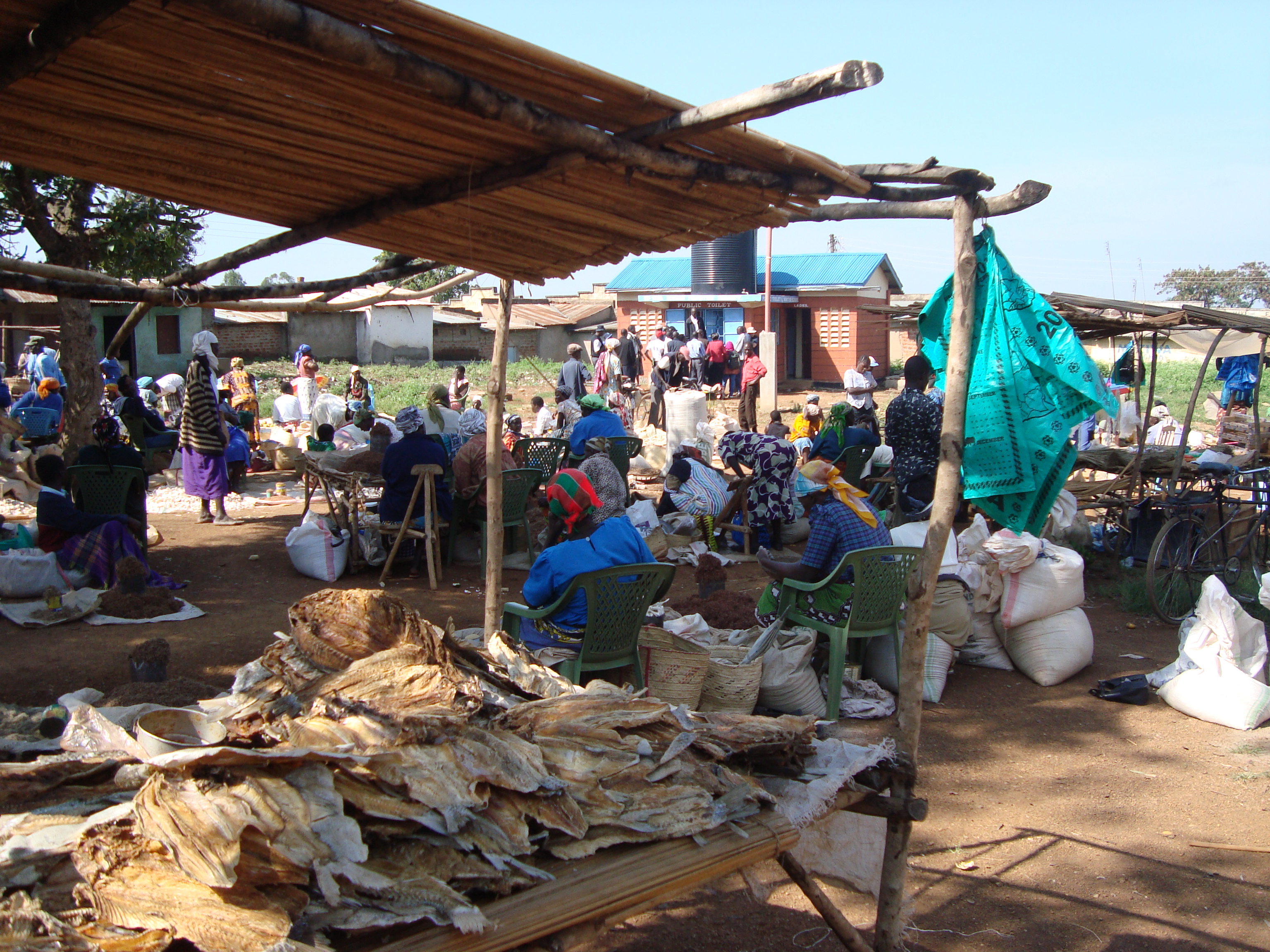
Photo: SuSanA Secretariat / Wikimedia Commons (CC BY 2.0)
Source: Global Agriculture

Comments
(0)