
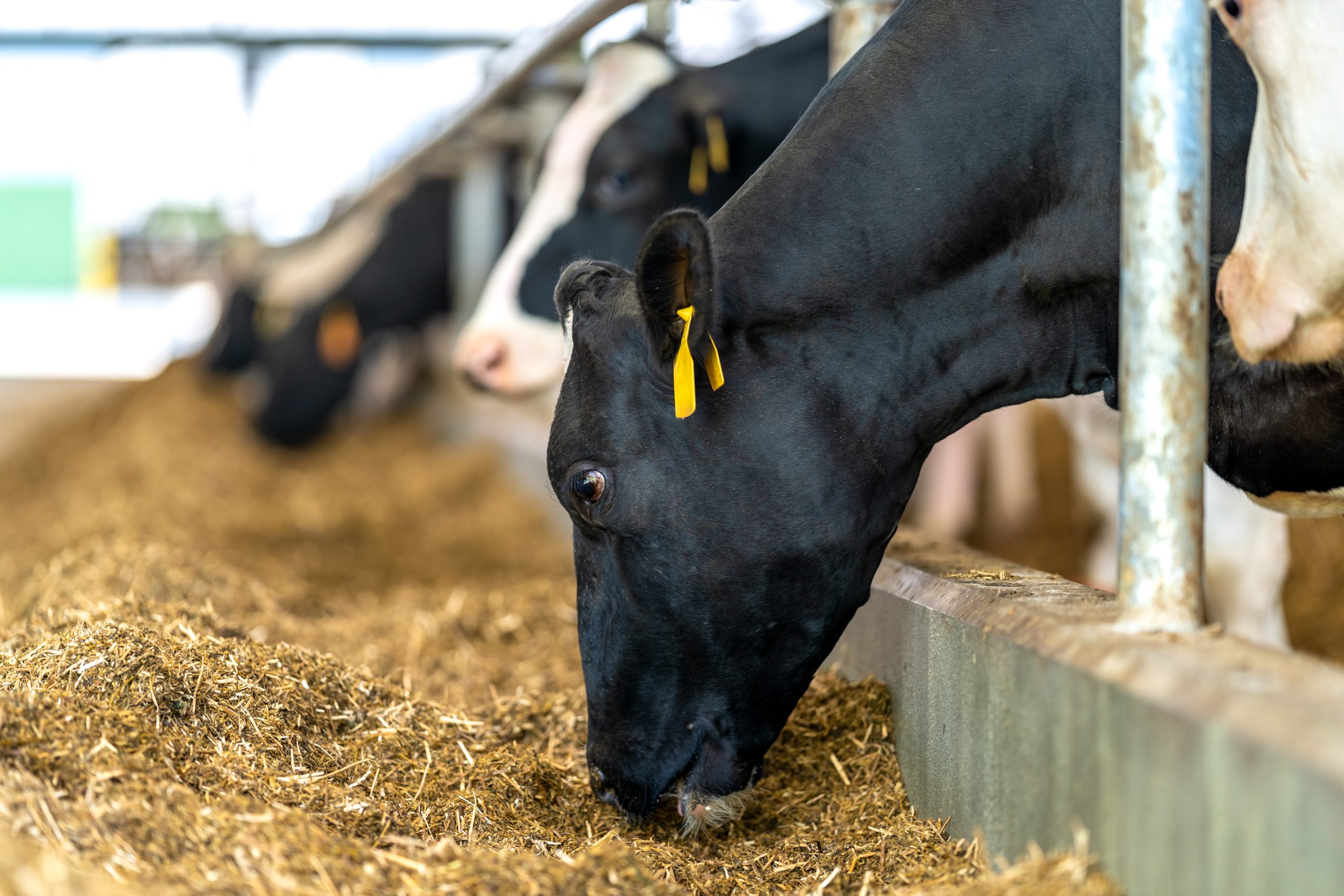
Grass growth on Irish farms has recovered to a national average of 63kg of dry matter (DM) per hectare a day, according to PastureBase Ireland, after recent rainfall closed the soil moisture deficits that troubled the south and south-east for most of the summer. Deficits are now between 0mm and 35mm, though some poorly drained ground has swung back to being waterlogged.
Regional figures show the north-west leading at 71kg DM/ha and the south-east trailing at 53kg DM/ha. With the evenings drawing in, growth is expected to stall and slip to 45–60kg DM/ha despite the week's decent rain.
Average farm cover rose sharply over the week to 798kg DM/ha, and the national average pre-grazing yield built to 1,574kg DM/ha. The typical cow's diet still stands at 12.5kg of grass, 4.5kg of meal and 2kg of silage, but most farms feeding silage will be trying to get back onto a full grass diet this week, and those already there may trim meal to help cash flow before winter.
The advice for every farm is to push the rotation length out to 35 days from now on so that the remaining growth is used properly. A 12-hour strip wire can help to allocate grass correctly, slow the rotation and leave decent post-grazing residuals. If growth holds above 50–55kg DM/ha, farms should reach target average farm covers of 950–1,000kg DM/ha by October 1, with only about two weeks of good growing weather left. The final rotation should start on October 10 to leave enough grass for spring.
Although the spreading period for chemical nitrogen and phosphorus has closed, slurry can still go out until October 1 and dairy washings until December 1. Washings at about 2,000 gallons an acre can make a useful nitrogen contribution this autumn; slurry at 2,500 gallons an acre suits pastures with low phosphorus and potassium indexes. Lime can be spread all year, and autumn is a good time to target low-pH paddocks once they are well grazed or after a silage cut.
The weekly grass report was written by Cathal O'Shea for Agriland.
Source: Agriland
Comments
(0)