
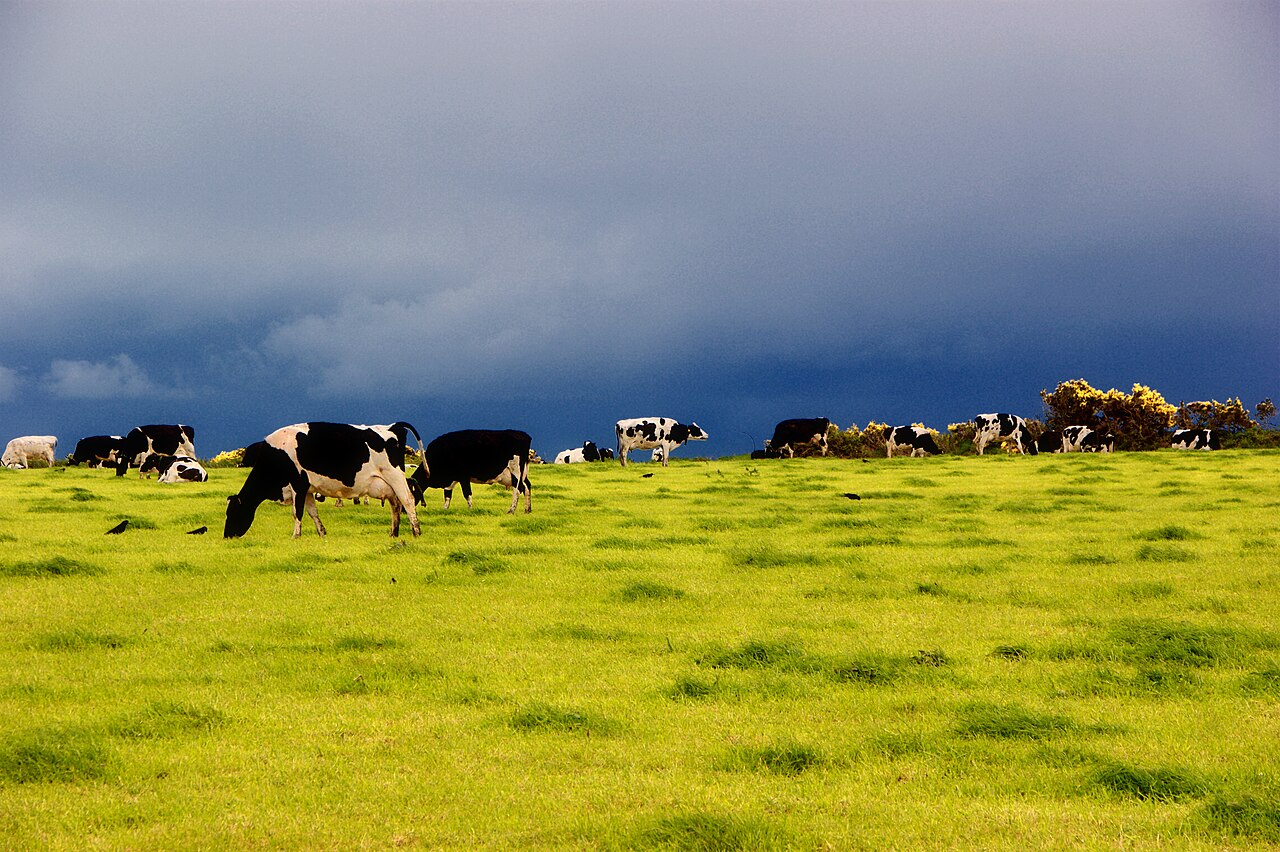
Industrial feed costs for European Union dairy farmers were 26% higher in July 2026 than in July 2025, and with milk prices falling the squeeze on margins is tightening, the US Department of Agriculture's Foreign Agricultural Service (FAS) said.
The figure comes from the European Commission's assessment of feed based on a mix of cereals and oilseeds, which has been rising since November 2025.
Low fertiliser costs supported margins in 2025. That changed with the Middle East conflict that began in March 2026, which reduced the availability of mineral fertilisers and raised their prices during spring field work, a problem that has continued into autumn sowings.
Oil prices have also stayed high since March and rose sharply in July, pushing up fuel and energy costs. FAS said these higher costs weigh on farmer margins.
Reporting by Melanie Epp for The Cattle Site.
Photo: Martin Abegglen / Wikimedia Commons (CC BY-SA 2.0)
Source: The Cattle Site


Comments
(0)