
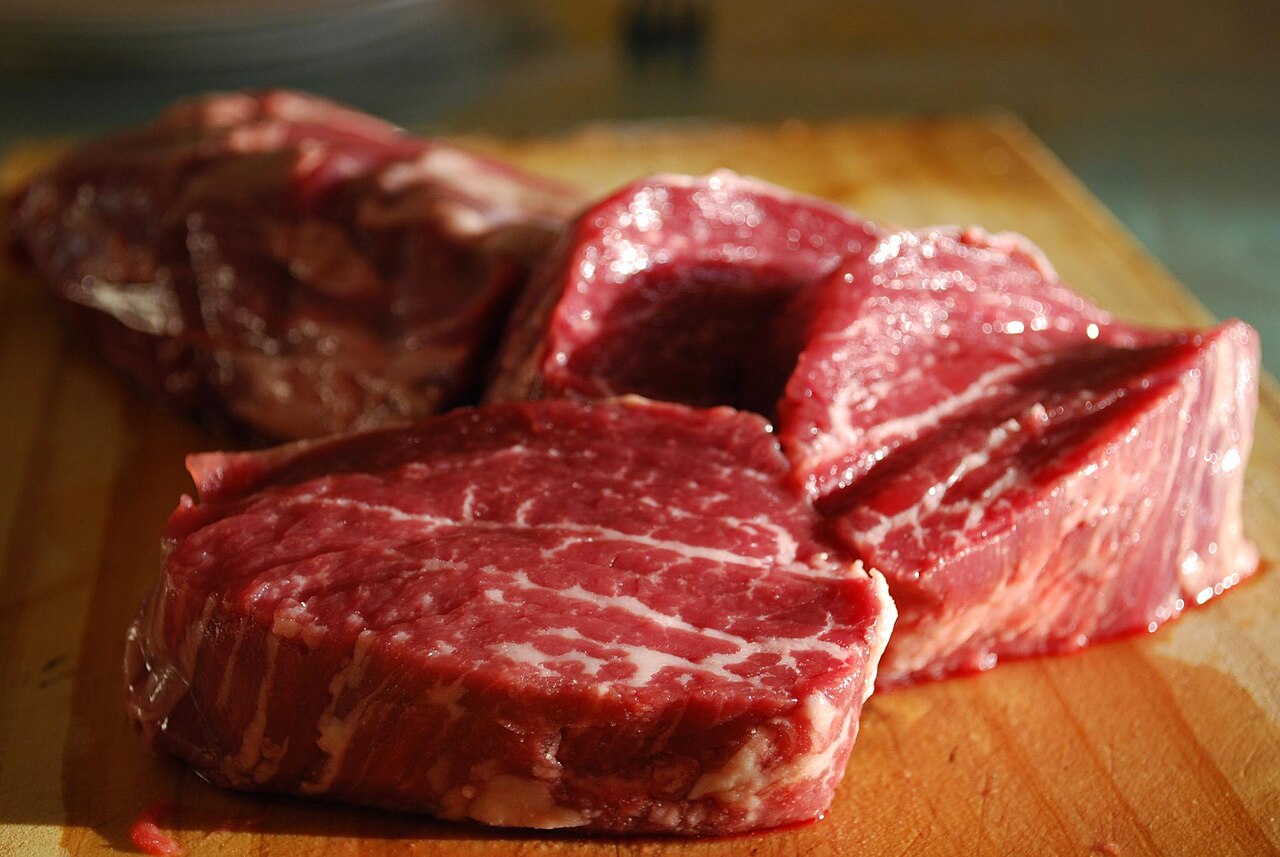
Steaks that look the same can differ enormously in what they contain, and the label "grassfed" or "grainfed" says less about it than many producers assume, US farmer and researcher Dan Kittredge told the Cattle Connect 2026 conference in Wagga Wagga, Australia.
Kittredge, founder of the Bionutrient Food Association, presented work begun in 2021 with scientists led by Utah State University. Farms in Australia, North America, South America and Europe each supplied steaks from three animals, along with soil, fodder and rumen samples and details of how they were managed. More than 575 compounds were first examined in each steak, later narrowed to about 150.
Some concentrations differed by tens to hundreds of times from one steak to another, and some fatty acids by more than 500 times. The researchers stressed that a large gap in one compound does not necessarily mean an equal gap in overall nutritional value, and that working out which compounds matter most to human nutrition is part of the continuing work.
On the team's proposed scoring, grassfed beef produced both the highest sample, at 100, and the lowest, at one. Grassfed averaged somewhat higher, and only four of the top 25 samples were grainfed, but 16 of the bottom 25 were grassfed. Grainfed beef clustered in a narrower band. "The best and the worst were both grass fed," Kittredge said.
The association's earlier work on about 10,000 crop samples, collected from 2017, found no consistent link between nutrient levels and variety, region, organic certification or practices such as no-till. "The only thing that we found that correlated with levels of nutrition in food was the level of life in the soil," he said.
The association has built a prototype handheld spectroscopy sensor about the size of a television remote, costing roughly US$375 a unit, which flashes light at a food to estimate compounds such as polyphenols, antioxidants and protein. Kittredge envisages carcases being scored at the processing plant, so that producers might one day be rewarded for nutrition as well as volume.
The beef research has not been published and is still under review, with feedback being sought. "This is not the be-all and end-all definition. This is the first step," Kittredge said.
Reporting by James Nason for Beef Central.
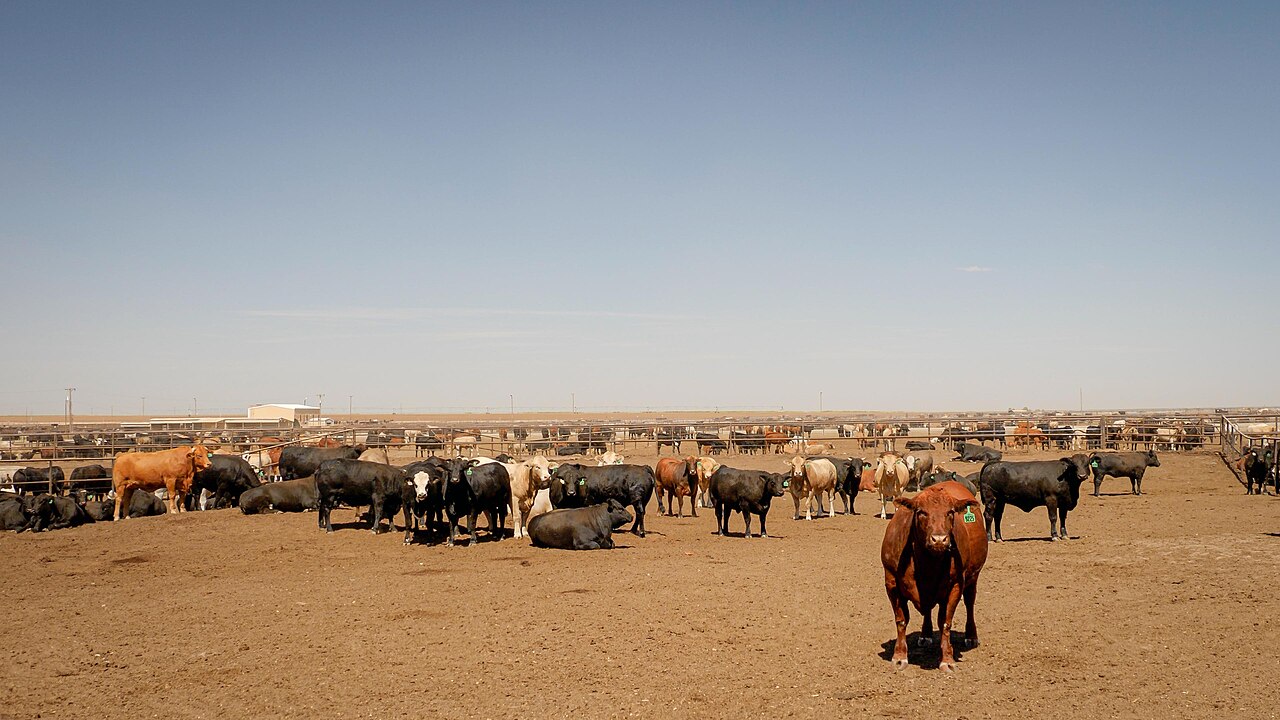
Photo: Alpha from Melbourne, Australia / Wikimedia Commons (CC BY-SA 2.0)
Source: Beef Central
Comments
(0)