
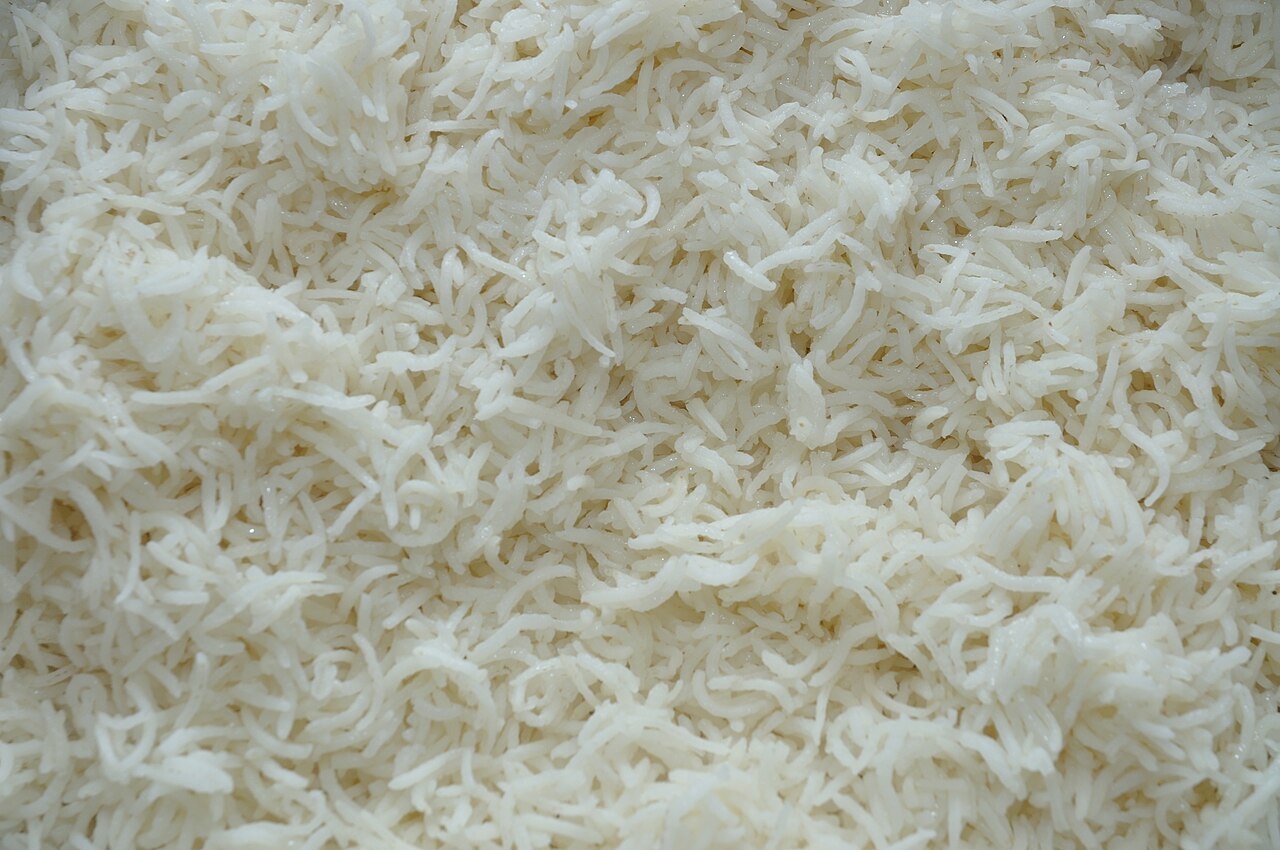
India's rice export earnings rose 12.9% to Rs 45,739 crore in April to August 2026, according to the Indian Rice Exporters' Federation (IREF), AgroSpectrum reported. Basmati brought in Rs 22,864 crore, up 11.6% year on year, and non-basmati Rs 22,874 crore, up 14.2%. The figures are earnings in rupees, not shipment volumes.
The outlook depends on production and stocks. The US Department of Agriculture projects India's rice output falling from about 154 million tonnes in 2025-26 to 147 million tonnes in 2026-27 because of adverse weather, but government rice stocks of more than 38 million tonnes, nearly four times the October buffer norm of 10.25 million tonnes, give room to balance food security and exports, IREF said. The USDA puts India's rice exports at about 24 million tonnes in calendar 2027.
Exporters say policy matters as much as price. "An incentive matters to an exporter only when it can be accessed, claimed and translated into a real business benefit," said Dev Garg, IREF's national vice president. Bipin Aggarwal, IREF vice president for Kakinada and director of Andhra Pradesh exporter CLRK, said consistent policy and timely incentives are especially important for non-basmati exporters selling into price-sensitive markets in Africa and Asia, where changes in freight, import duties and export rules quickly change the economics of an order.
These issues will be discussed at the Bharat International Rice Conference (BIRC) 2026 at Bharat Mandapam in New Delhi from 23 to 25 October, where a session on 24 October will cover trade schemes, incentives, export credit, insurance and warehouse-receipt financing. A proposed outcome is a Rice Export Policy Watch naming five policy developments likely to affect India's rice trade over the next 12 months.
India is the world's largest rice exporter, so its stock levels and export rules shape prices for importers across Asia and Africa, Bangladesh among them in years of shortfall.
Photo: Biswarup Ganguly / Wikimedia Commons (CC BY 3.0)
Source: AgroSpectrum

Comments
(0)