
Three pesticide molecules widely made in India, profenofos, phenthoate and quinalphos, were not recommended for listing at the 22nd meeting of the Rotterdam Convention's Chemical Review Committee (CRC-22), held in Rome from 15 to 18 September 2026, AgroSpectrum reported.
The committee's decisions differed. Its consideration of Malaysia's notification on profenofos was deferred, with the Convention's Bureau to decide whether to put it on the agenda of a future meeting. For quinalphos and phenthoate, the committee reviewed notifications of final regulatory action and concluded that none met the criteria for listing at this stage.
The Pesticides Manufacturers & Formulators Association of India (PMFAI), which represents more than 220 domestic companies, said the outcome followed a coordinated industry effort: task forces of technical experts prepared submissions defending the molecules, sent to the environment ministry, the Department of Chemicals and Petrochemicals, the Department of Agriculture and Farmers Welfare and the Convention Secretariat. Its delegation was led by Dr K.N. Singh of Gharda Chemicals and Dr Samir Dave of AIMCO Pesticides.
AgroSpectrum stressed that the outcome is not a blanket international clearance of the three pesticides or an endorsement of their safety; it means only that the notifications considered at CRC-22 did not lead to listing, with profenofos still subject to procedure. The Rotterdam Convention sets a prior informed consent procedure for certain hazardous chemicals and pesticides in trade, so that importing countries can decide on future imports.
For Indian manufacturers the decisions protect export trade for now. For farmers and regulators in importing countries, including in South Asia, they leave national rules on these organophosphate insecticides as the deciding factor.
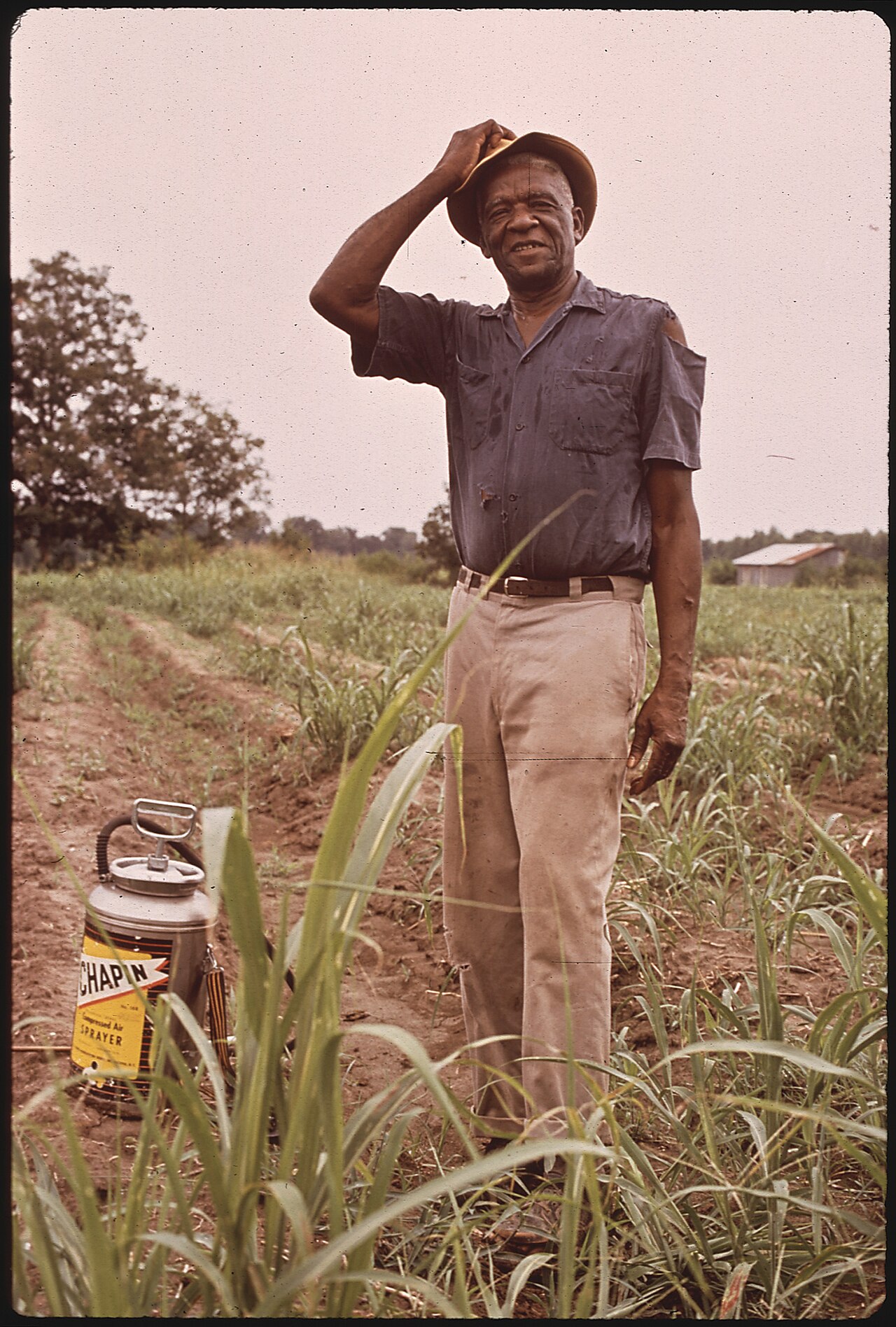
Photo: John Messina / Wikimedia Commons (public domain)
Source: AgroSpectrum


Comments
(0)