
China plans to develop or revise 45 national food safety standards in 2026, a programme that could affect food manufacturers, ingredient suppliers and farm exporters selling to the country, AgroSpectrum reported. The National Health Commission (NHC) published the plan on 1 September 2026, according to a report by the US Department of Agriculture's Foreign Agricultural Service (USDA-FAS).
Several revisions concern food additives, among them carbon dioxide, natural carotene and the colours sunset yellow, amaranth, Ponceau 4R and erythrosine, as well as the general standard on additive use. Standards for cured and preserved meat, instant noodles and salted and preserved vegetables will be revised, and new ones are planned for animal-derived protein peptides, caseinates, yeast extracts, acid-hydrolysed protein seasoning, D-allulose and cream powder.
The plan also covers testing: methods for vinyl acetate migration from food-contact materials, organotin and fluorine in food, and new methods for compounds such as tea polyphenols, curcumin and several vitamins. Microbiology standards will be revised for Clostridium perfringens and for Burkholderia gladioli strains linked to bongkrekic acid, a deadly toxin, and new methods are planned for hepatitis A and E viruses in food. A method for radionuclides using germanium gamma-ray spectrometry is also on the list.
The plan sets out where rules will change, not the final requirements or their dates. Drafts are expected to go to public comment and, where relevant, be notified to the World Trade Organization's SPS and TBT committees. China had 1,725 national food safety standards as of September 2025, according to USDA-FAS. The story was reported by Suchetana Choudhury.
For exporters of farm and processed food to China, including from South Asia, the practical advice is to separate planned changes from rules already in force, watch for draft publications and WTO notifications, and be ready to update specifications and testing.
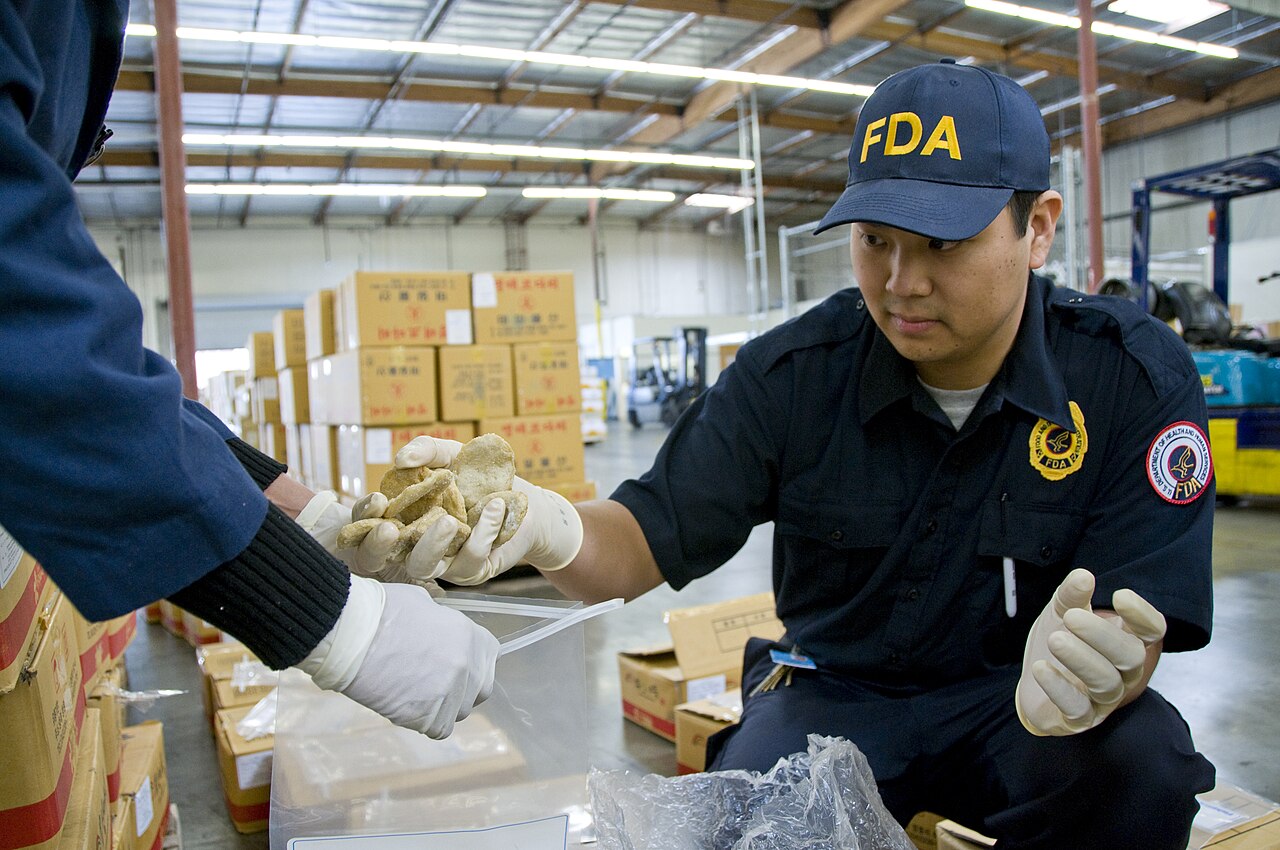
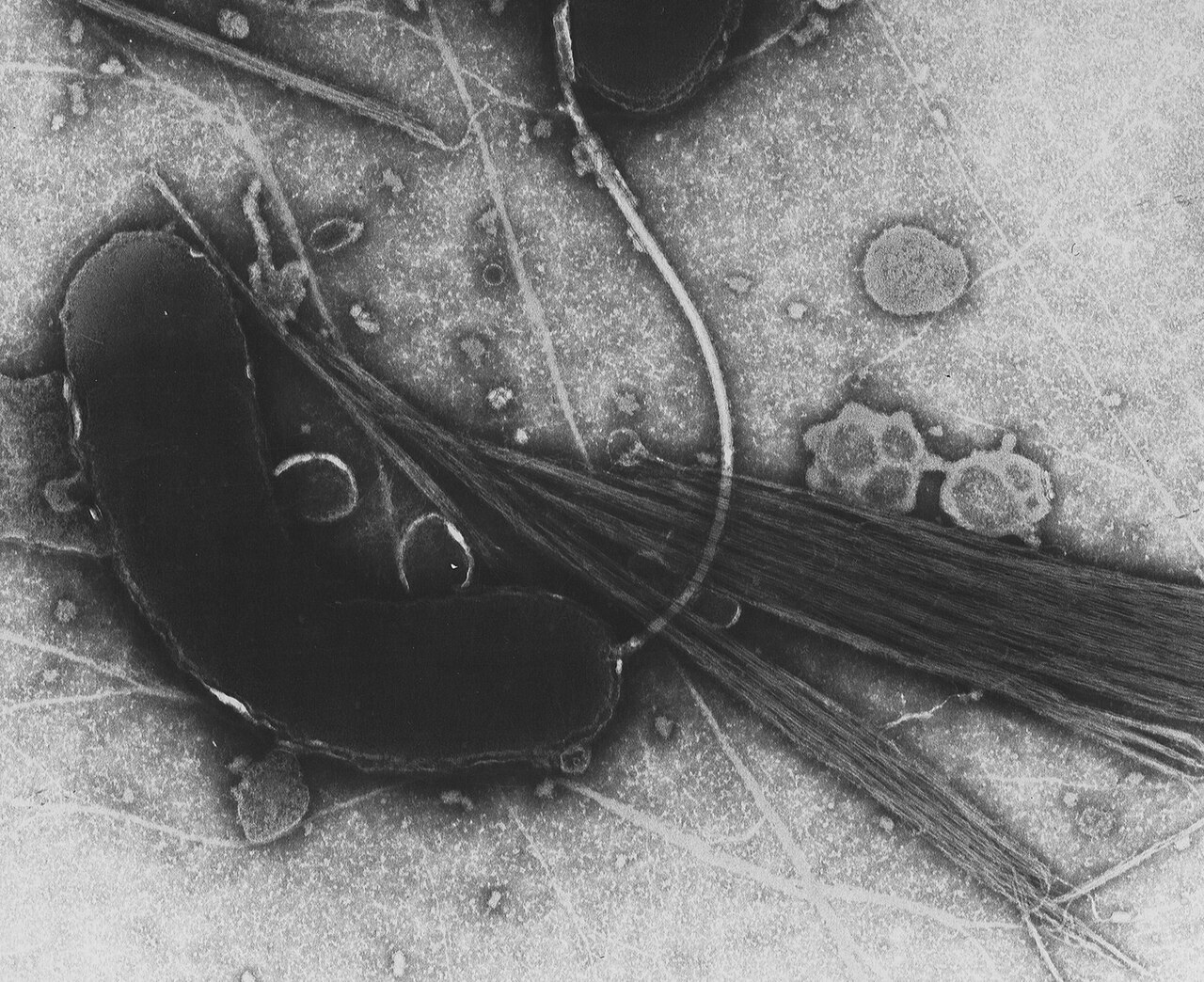
Photo: U.S. Food and Drug Administration / Wikimedia Commons (public domain)
Source: AgroSpectrum
Comments
(0)