
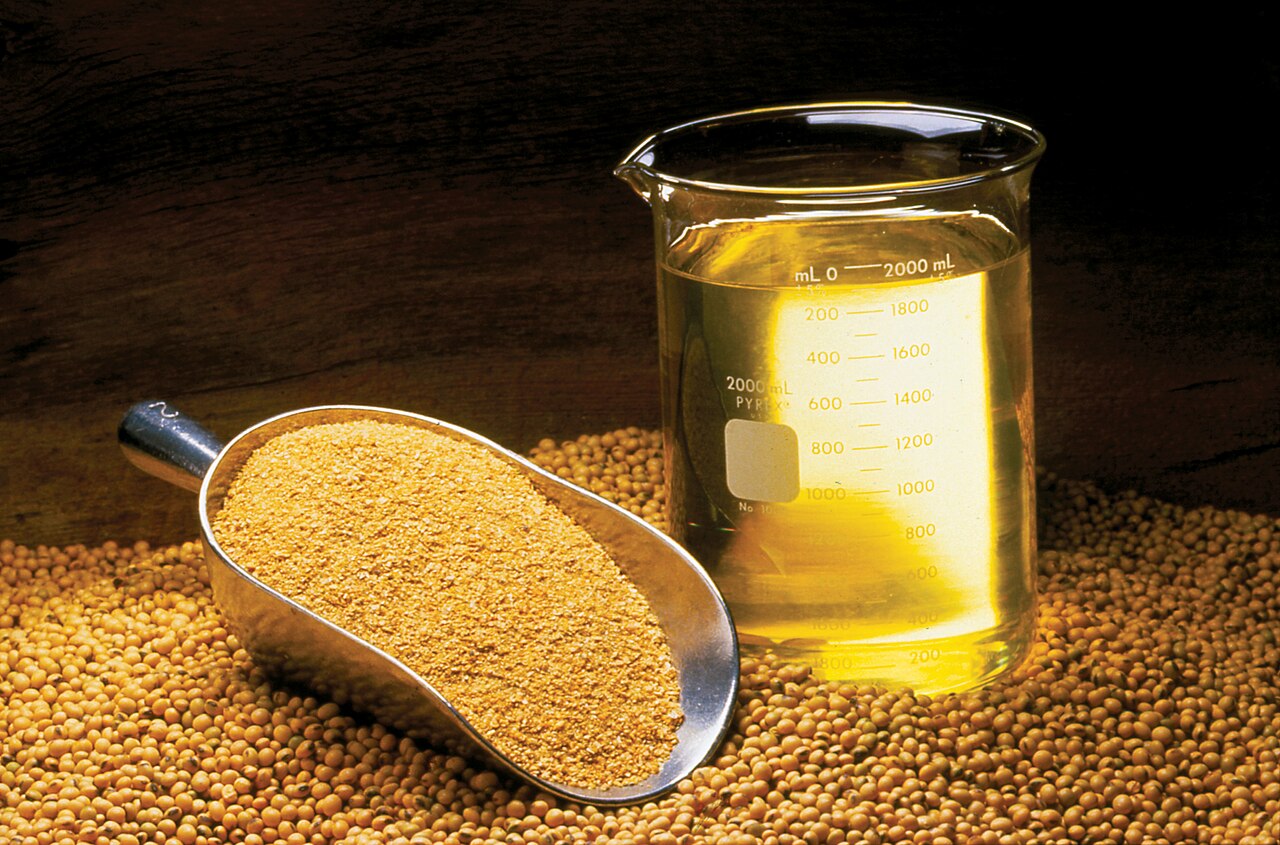
India's oilmeal exports fell by 65% in July 2026 to 148,609 tonnes, from 422,388 tonnes a year earlier, according to provisional data from the Solvent Extractors' Association of India (SEA), Rural Voice reported. For April to July, the first four months of 2026-27, shipments reached 1,105,833 tonnes, down 27% from 1,516,981 tonnes.
Soybean meal drove the slump: its exports plunged nearly 90% year on year in July. Indian soymeal was quoted at about US$613 a tonne against global benchmarks of about US$428, making it uncompetitive against cheaper meal from Argentina and Brazil. Strong demand from India's own poultry and livestock feed industries also left less to export, and Red Sea shipping disruptions lengthened routes and raised freight costs to Europe and West Asia.
Rapeseed meal offered some support thanks to demand in Asia. China remained the largest buyer of Indian oilmeals in April-July, taking 355,482 tonnes, up 25.32% from 283,648 tonnes. Bangladesh was second, with 172,852 tonnes, up 17.18%, and Vietnam bought 108,098 tonnes, up 42.42%. Shipments to South Korea fell 31.30% and to Thailand 43.65%.
For Bangladesh's feed mills, which rely on Indian rapeseed meal as a protein ingredient for poultry, fish and cattle feed, the figures show that supply from the neighbour is holding up even as India's overall exports shrink.
The SEA said future trade will depend on domestic price stability, international competitiveness and an easing of the disruptions on key shipping routes.
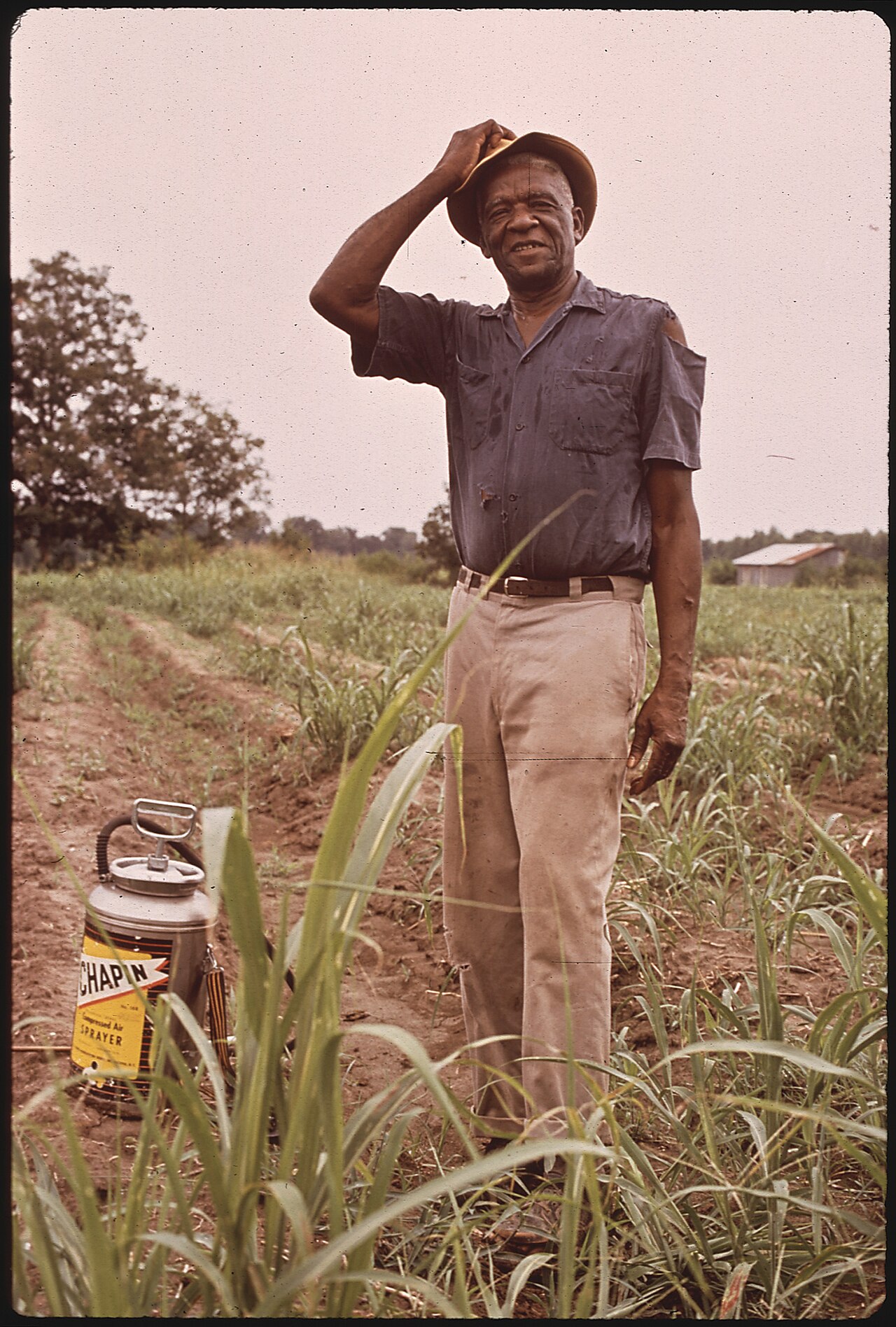
Photo: United Soybean Board / Wikimedia Commons (CC BY 2.0)
Source: Rural Voice
Comments
(0)