
Protein has become a lifestyle product in urban India, but rising food prices threaten the cheap protein that low-income households depend on, Swasti Pachauri argues in a World Food Day column for Down To Earth.
The column cites research company IMARC's estimate that India's protein market is worth around Rs 15,300 crore in 2026 and could reach about Rs 21,000 crore by 2031. A recent report by Asia Research & Engagement and the Federation of Indian Chambers of Commerce and Industry, Charting India's Protein Transition, projects annual per capita protein consumption rising from 9.5 kg in 2025 to 30 kg by 2070, with protein from pulses climbing from 3.5 million tonnes to 9.3 million tonnes and becoming the second-largest source after dairy.
Social media trends, fitness culture and wellness brands have turned protein into an aspirational purchase, from protein coffee and popcorn to whey shakes and bars. Pachauri warns that a high-protein label does not make a product healthy: its value depends on its salt, sugar, fat and preservatives.
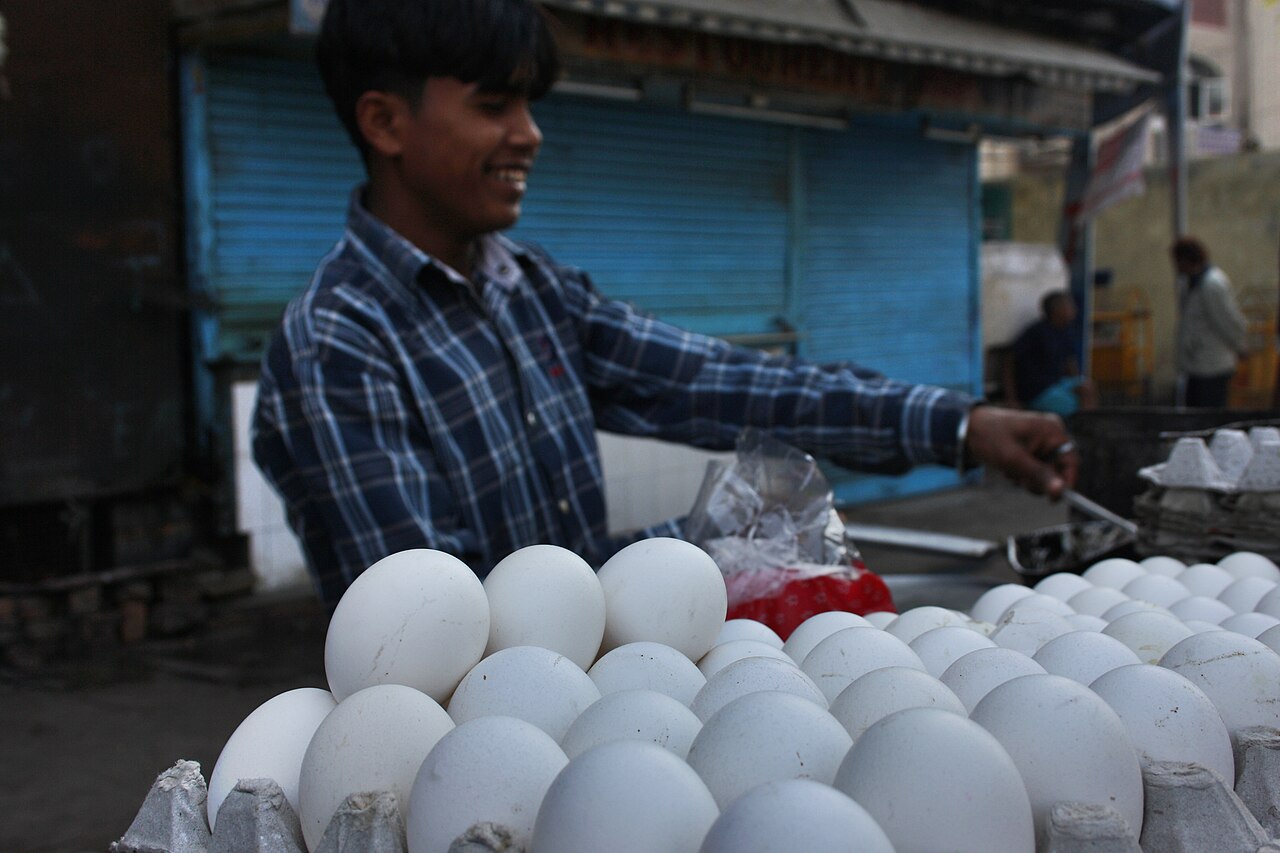
The other side of the boom is access. In August 2026 the National Egg Coordination Committee reported egg prices up around 35 to 40 per cent on the previous year. The column names the E20 ethanol-blending policy, which draws on maize used in poultry feed, among the factors cited, alongside wider food inflation; grain-based feedstocks made up nearly 70 per cent of cumulative ethanol supplies in the 2025-26 supply year as of August, according to data compiled by the All India Distillers' Association. For an affluent shopper a price rise means switching brands; for a poor family it can mean a less diverse diet with long-term health costs.
Pachauri calls for promoting affordable, local protein: millets in everyday diets rather than costly packaged products, crop diversification and intercropping with legumes, which also support soil health and farm incomes, and clearer food labelling. She suggests India, as the largest milk producer, could build a whey economy and promote regional cheeses such as Kalari, chhurpi and Bandel to support livestock livelihoods. The views are the writer's own.
Photo: Pallav.journo / Wikimedia Commons (CC BY-SA 4.0)
Source: Down To Earth

Comments
(0)