
Not one of the eight community clinics on the Brahmaputra chars of Chilmari upazila in Kurigram can handle a childbirth. Writer and organiser Nahid Hasan describes the situation in a column for Prothom Alo after visiting Charshakhahati.
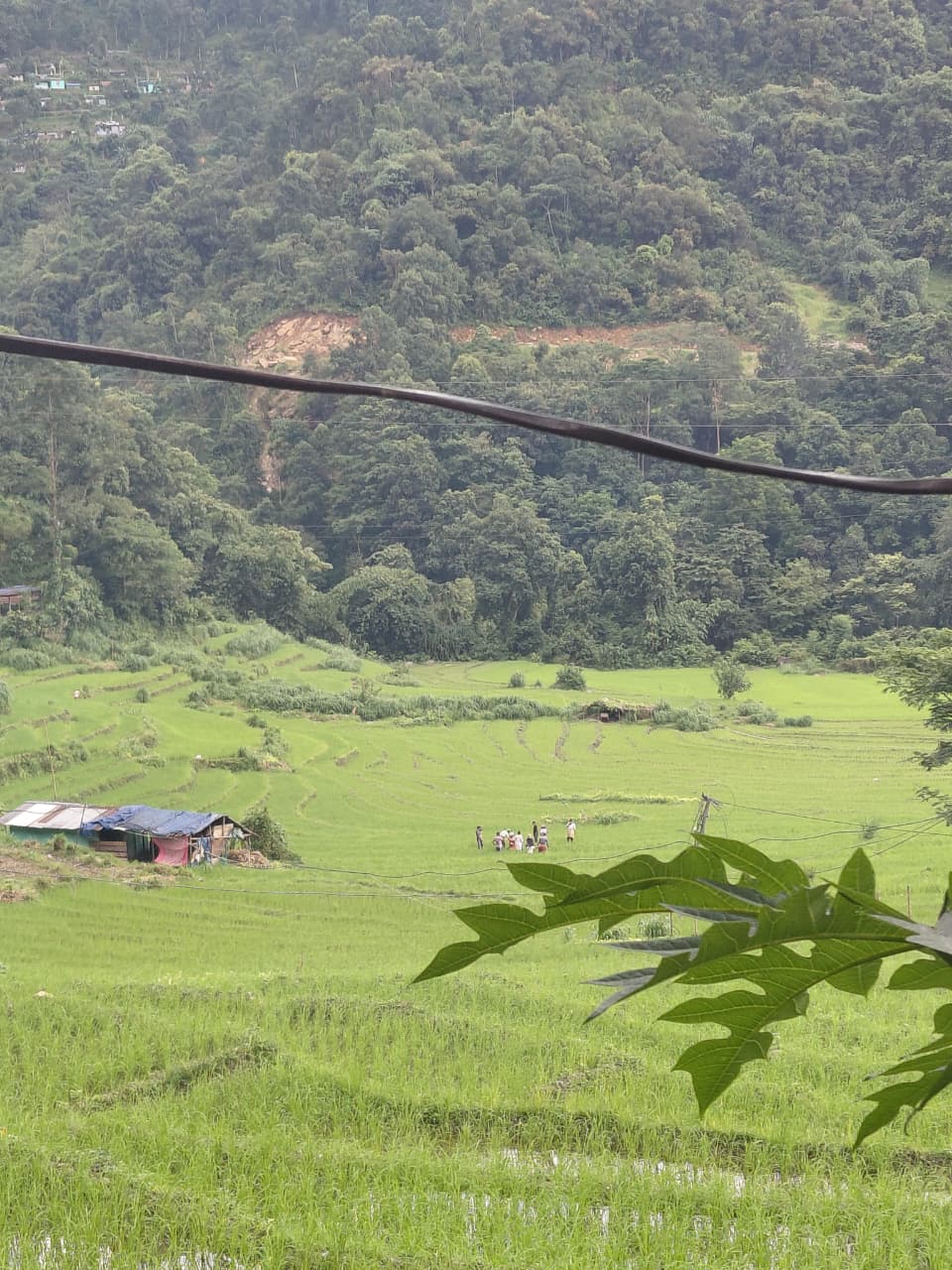
He writes that the river has eaten about one and a half kilometres into the west side of Charshakhahati in the past year and a half. The primary school has had to move twice and the community clinic has been washed away. In the fields, farmers who will sow maize after cutting their jute are planting BRRI dhan28 instead of the more profitable gangia rice.
Shapla Moni, 28, told the writer that the clinic has a single staff member, a man, and that even a check-up means a trip to the upazila town of Thanahat. A worker from an NGO comes once a month with medicine for colds and coughs; people call her "the five-taka doctor".
Community health care provider Yasin said 10 to 11 women hold the post across the upazila's 19 community clinics. Three unions, Chilmari, Ashtamir Char and Nayarhat, lie entirely on the Brahmaputra chars. Providers measure pregnant women's weight, height, blood pressure, diabetes and haemoglobin and hand out 22 kinds of medicine. Local union council member Rafiqul Islam, 67, said safe delivery on the char itself is their main demand.
By the writer's account, simply bringing a woman safely from her home to the river landing takes two hours. The boat then has to travel 8 to 10 kilometres upstream to the upazila town, and many die on the way.
He lists the main causes of death on the chars as acute diarrhoea and dehydration, childhood pneumonia, heavy bleeding after birth, complications in labour, breathing problems or tetanus in newborns, heart disease, stroke and snakebite. Apart from diarrhoea, the clinics can treat almost none of them, and he asks what the community clinics are for.
The views expressed are the writer's own.
Source: Prothom Alo

Comments
(0)