
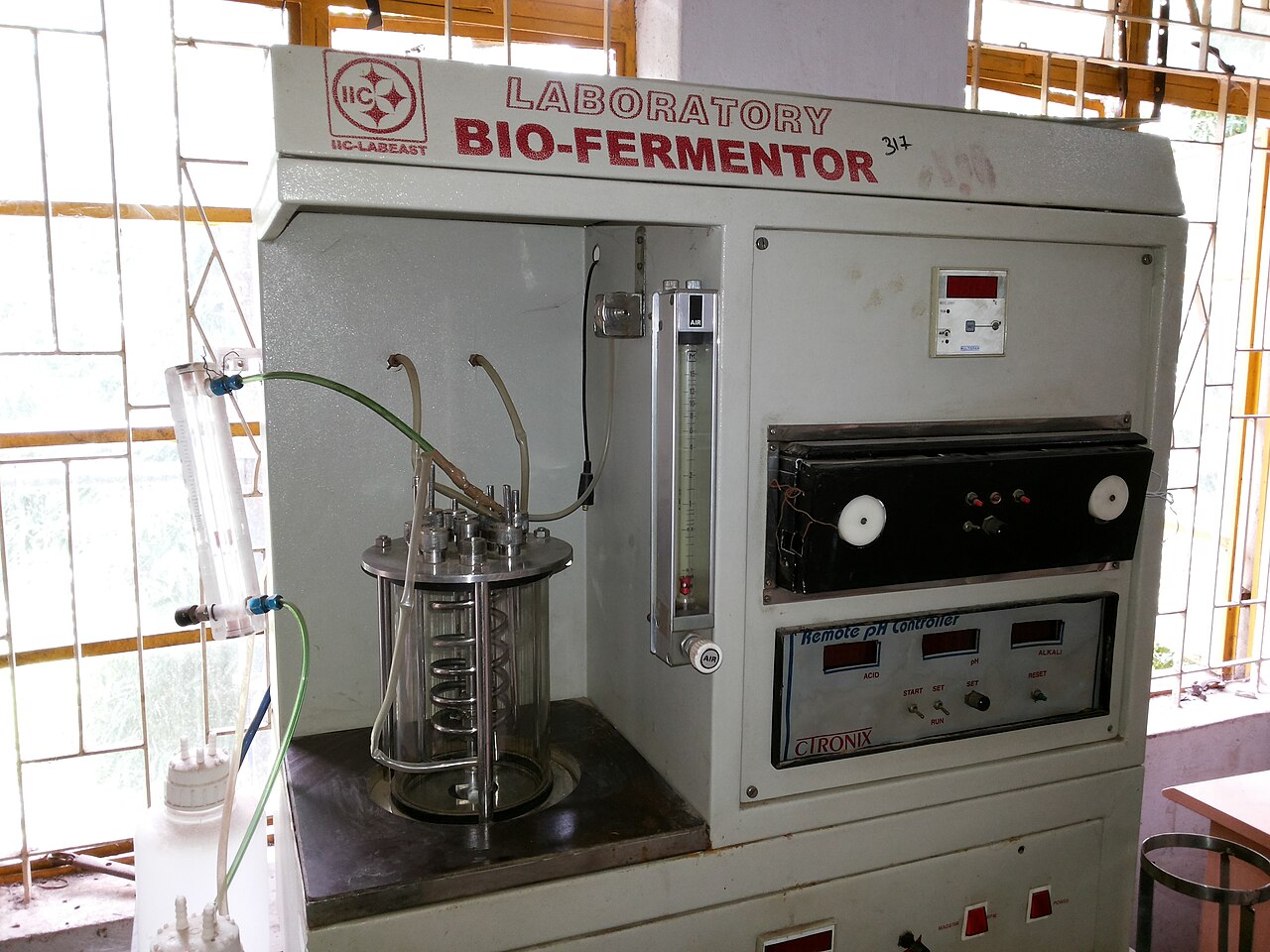
India already has a large manufacturing base that could be used to scale up fermentation-derived proteins and food ingredients, according to a study by Sathguru Management Consultants (SMC) and the Good Food Institute India (GFI India), AgroSpectrum reports.
The study, "Mapping India's biomanufacturing potential for smart proteins", and an interactive dashboard map 478 facilities across nine biomanufacturing segments in 17 states. It estimates 198 million kilolitres (kL) of fermenter capacity relevant to smart proteins, of which 26.43 million kL is idle. It looks at how this infrastructure, spread across biopharmaceuticals, enzymes, contract manufacturers, distilleries and other industries, could make protein ingredients through biomass fermentation and precision fermentation.
About 7,737 kL of idle capacity in contract manufacturing, biopharmaceuticals and enzymes could be relevant for precision fermentation, while distilleries, breweries, wineries, probiotics and yeast makers together have about 2.74 million kL of idle capacity relevant to biomass fermentation. Retrofitting needs and technical feasibility differ between industries and plants.
The study models what a part of that capacity could do. Using 20% of the idle capacity suited to precision fermentation for lactoferrin could meet the estimated global market as of 2025 (about $635 million), and using 0.2% of the relevant idle biomass-fermentation capacity could produce enough yeast protein for its 2025 global market (about $347 million).
"India's existing capabilities could offer a pathway to more cost-effective scaling and manufacturing for domestic and international food and nutrition markets," said Sneha Singh, managing director of GFI India, linking the work to the government's BioE3 policy and its aim of a $300 billion bioeconomy by 2030. Co-author Ravi Audichya said fermentation could help bring "high-quality and low-cost sustainable nutrition for all" as India grapples with protein insufficiency.
Photo: Utkarshsingh.1992 / Wikimedia Commons (CC BY-SA 3.0)
Source: AgroSpectrum

Comments
(0)