
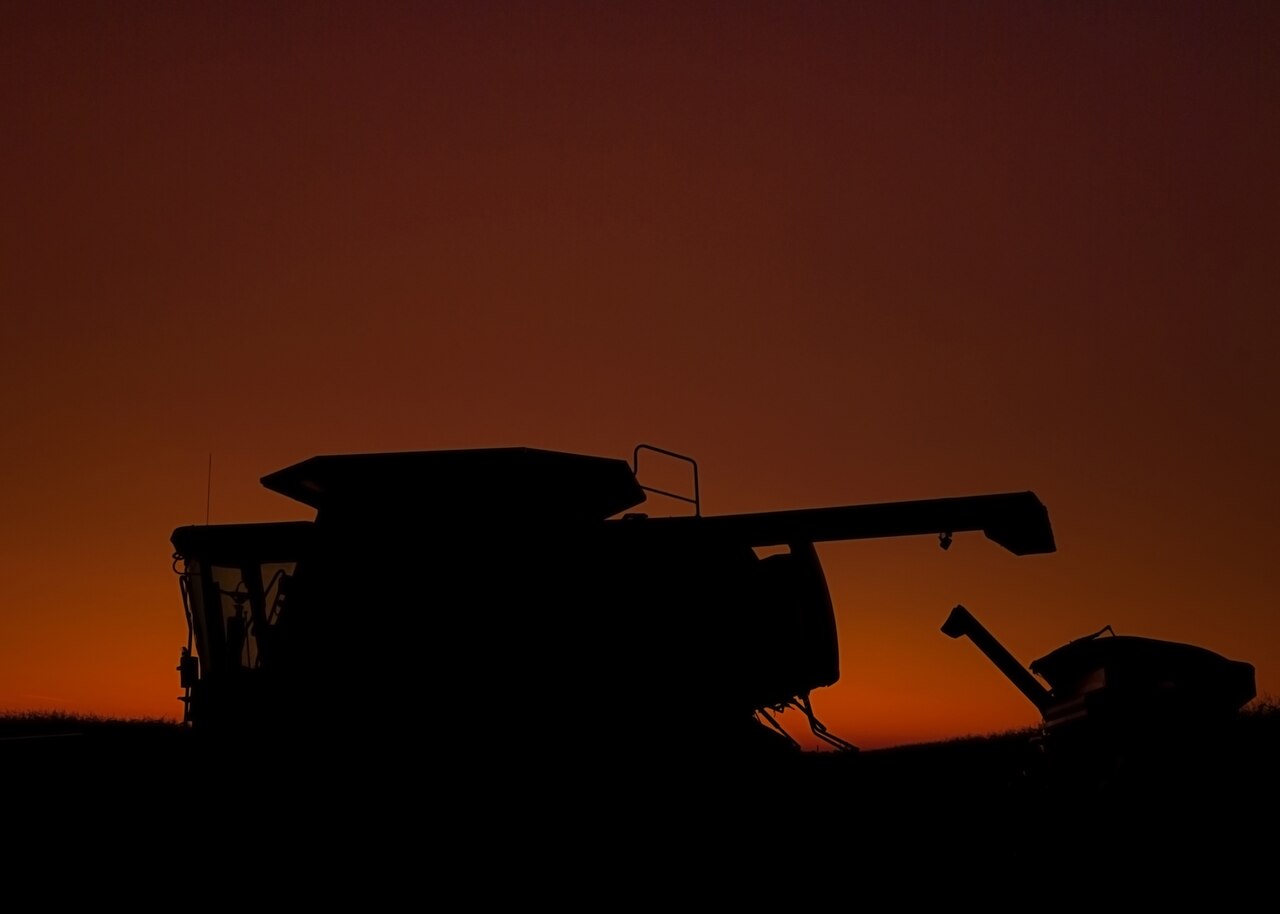
Every harvest, Joan Mudryk packs supper for the field the way her mother did: in a cardboard box, wrapped in a couple of towels, "and a prayer the gravy doesn't leak". In a personal column for the Manitoba Co-operator's Farmit Manitoba section, she writes about the meals that feed combine crews and the memories they leave. The views and recollections are the writer's own.
Mudryk grew up the youngest in a dairy family and spent her time in the milking barn while her sister learned to cook, so her early kitchen efforts included potatoes mashed skins and all and a gravy made with milk replacer powder instead of flour. For years her mother brought meals to the field, with coffee and tea in quart sealers wrapped in newspaper to keep them hot; after her mother died, her mother-in-law took over.
Back then, she writes, she was always rushing from work to the combine and barely tasted the food. Now it is her turn to cook, and she has learned that a field supper has to be hearty, hot and able to survive twenty minutes over gravel roads, usually served on the tailgate of a half-ton truck. "If the food arrives upright, it's a victory."
The food, she says, is never what people remember most. It is the time together, with children, dogs and neighbours gathered in the middle of the work, and her grandchildren balancing plates on their knees. Her son and his wife now run the harvest, and she is glad they have learned to enjoy those moments rather than rush them.
Sitting in a wobbly lawn chair as the sun sets and the combines idle, she thinks of the women who fed the crews before her and of what she would give to have her parents and in-laws back at the table.
Photo: Charles Knowles / Wikimedia Commons (CC BY 2.0)
Source: Manitoba Co-operator

Comments
(0)