
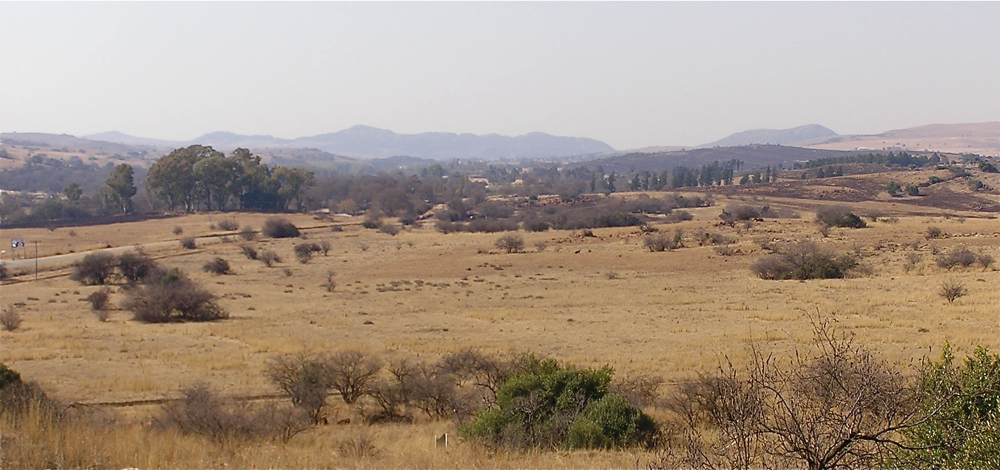
Gauteng must move beyond assessing climate risks and responding to disasters to practical steps that make the province more resilient to extreme weather, Environment MEC Ewan Botha told the Gauteng Climate Change Indaba in Modderfontein, Johannesburg, on 15 October.
"Responding to disasters will keep us alive this summer, [but] adapting is what will give us the future," Botha said. He warned that intensifying El Niño conditions could add to the effects of climate change and raise the risk of water shortages and crop losses if summer rain is below normal. Subsistence and small-scale farmers who depend on municipal water, and dryland farmers who depend on rain, are the most exposed, he said.
The province's climate change strategy, approved in 2020, names agriculture and agro-processing as one of its 11 response programmes. South Africa's Climate Change Act, in force since March 2025, now requires every province and municipality to assess its climate needs and adopt response and mitigation plans, and Botha said Gauteng and its municipalities would meet that obligation.
Gauteng is drafting Green Public Procurement Guidelines so the province can use its buying power to favour sustainable products, which could include produce from farmers who show they use water-efficient irrigation or rainwater harvesting. Feroz Koor, group head of sustainability at Woolworths Holdings, said the retailer's Farming for the Future programme tracks suppliers on 116 measures, including water-use efficiency, wastewater, invasive plants and soil health.
Dr Musiwalo Moses Khangale of insurer Santam said more frequent and severe weather is driving up costs for insurers and policyholders and could force the industry to walk away from high-risk areas. Uninsured small-scale farmers bear the brunt of climate losses and struggle to recover, he said, and he proposed that government consider subsidising their insurance premiums. "You cannot be resilient if you cannot finance the transfer of your risks," Khangale said.
Botha said farmers are adopting many innovative technologies and the province wants to learn from them, particularly on managing expected heatwaves when water is scarce. The report is by a Farmer's Weekly staff reporter.
Photo: Marduk / Wikimedia Commons (CC0)
Source: Farmers Weekly South Africa

Comments
(0)