
Rural households in Bangladesh are borrowing more, but the share of their loans spent on farming has fallen by about 9 percentage points in 12 years, from 25 percent in 2010 to 16 percent in 2022. The findings were presented on Monday, 12 October, at a policy dialogue on financing the food system held jointly by the Bangladesh Institute of Development Studies (BIDS) and the International Food Policy Research Institute (IFPRI).
The share of rural households taking loans rose from 36 percent in 2010 to 42 percent in 2022. Three of every four rural loans come from NGOs, while households borrowing from banks fell from 4.7 to 2.9 percent. Presenting the keynote, BIDS research director Kazi Iqbal said the share of farm credit spent on fertiliser rose from 44 to 56 percent.
Repayment pressure has grown too. Today 41 percent of borrowing households spend 40 percent of their monthly income on instalments, against 22 percent in 2010, and 33 percent of households hold two or more loans.
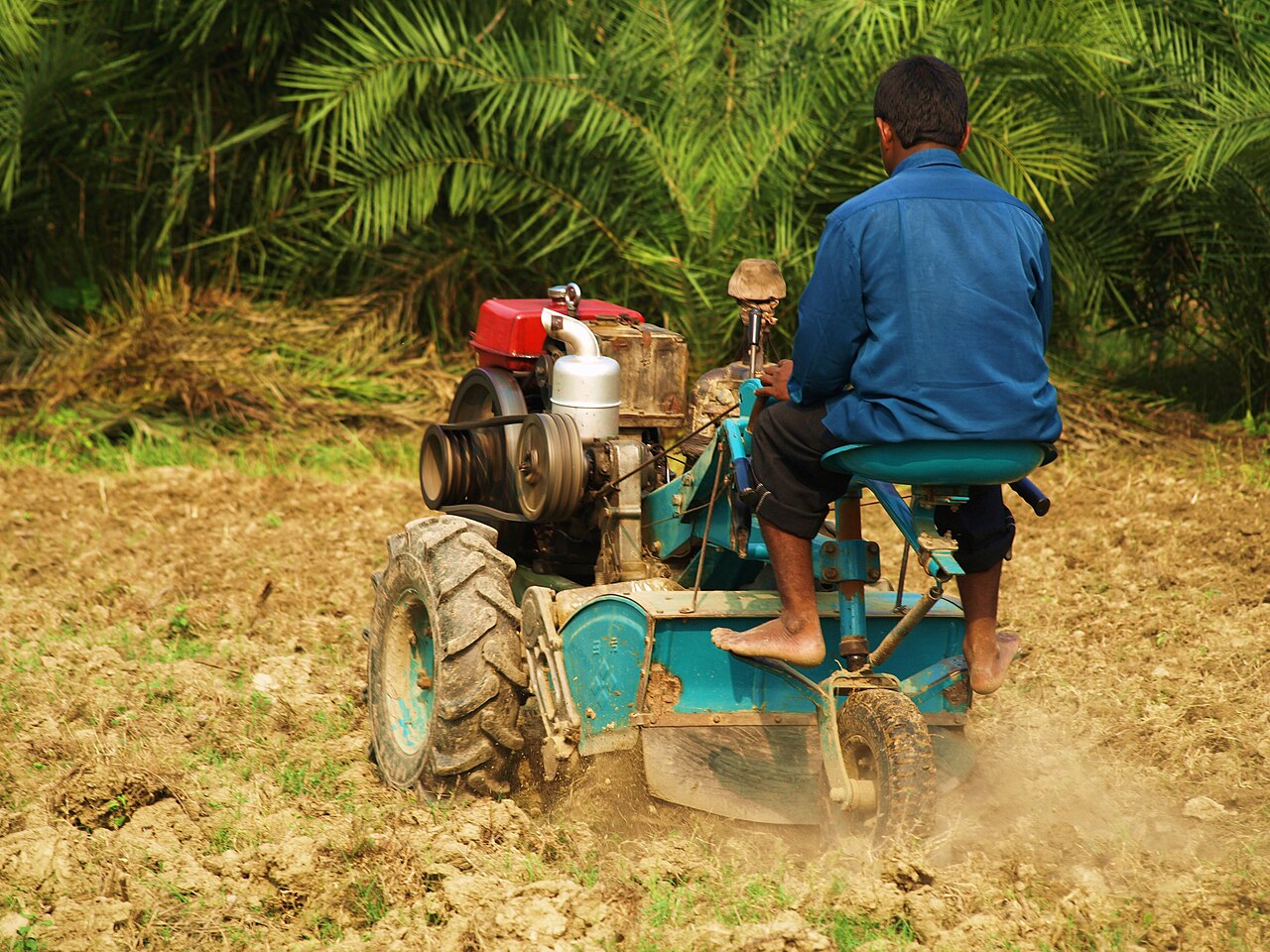
On financing mechanisation, IFPRI's Mehrab Bakhtiar said a farm machine can cost from Tk 1 lakh to Tk 32 lakh and earn its owner about Tk 5 lakh a year in hire, yet banks finance only 2 to 7 percent of machinery purchases. About Tk 2,000 crore of farm machinery is sold each year; 32 percent of buyers borrow from relatives, 27 percent from NGOs and 8 percent from moneylenders.
Md Fazlul Kader, managing director of the Palli Karma-Sahayak Foundation (PKSF), said about 90 percent of credit reaching farmers goes through NGOs at high interest, raising repayment pressure while rising input prices cut profits, so farmers' children are losing interest in farming. Agriculture secretary Md Selim Khan, the chief guest, spoke of plans to give farmers ten kinds of benefits, including loans, through the farmer card.
BIDS director general Professor A K Enamul Haque said agriculture cannot advance without higher productivity. In open discussion, Mohammad Ershadul Haque, chief scientific officer at the Bangladesh Agricultural Research Institute, said more direct bank financing for machinery could lower farmers' borrowing costs. Agricare24 published the report citing Prothom Alo.
Photo: Shmunmun / Wikimedia Commons (CC BY-SA 3.0)
Source: Agricare24

Comments
(0)