
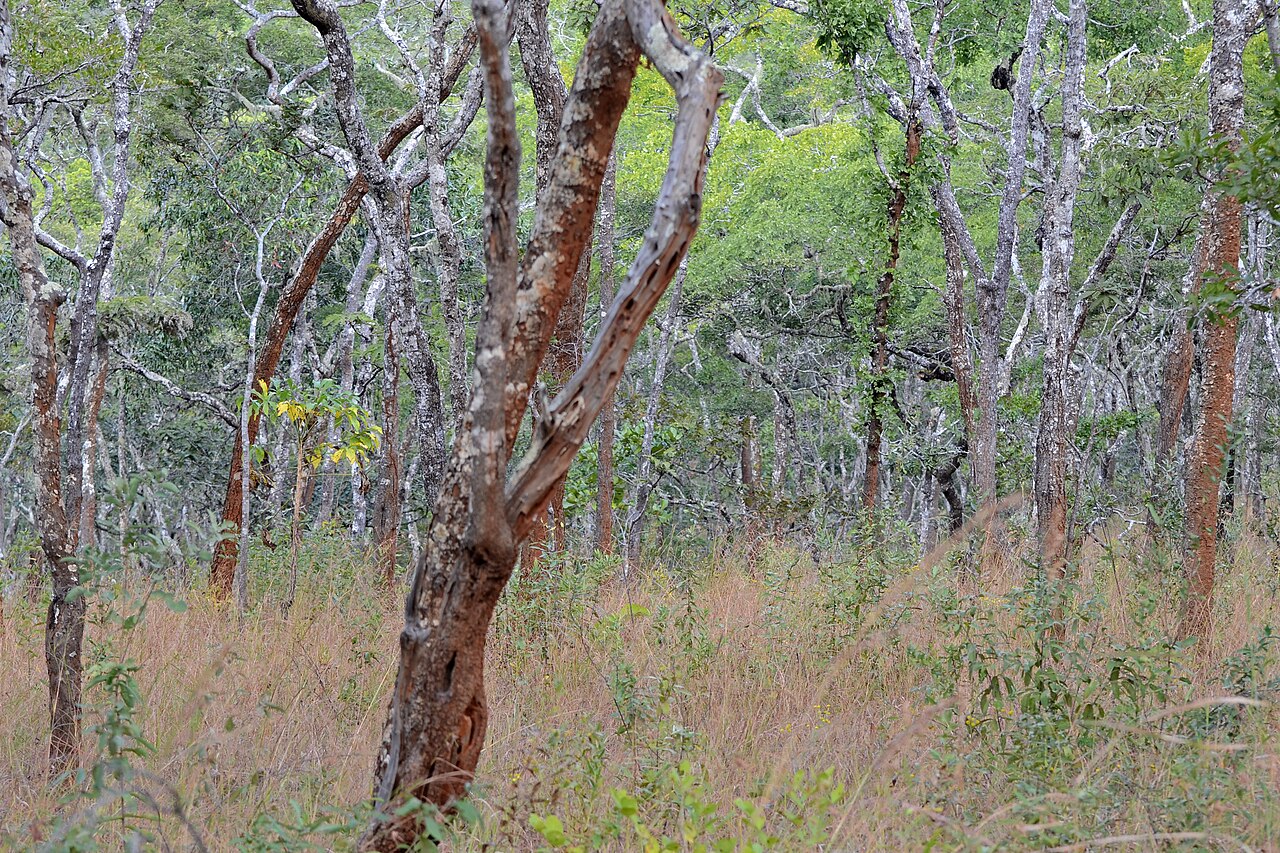
Forests and trees in the world's drylands support the livelihoods, food security and cultural identity of more than two billion people, yet they get too little attention in global climate, biodiversity and land agendas, the Food and Agriculture Organization of the United Nations (FAO) said as it launched a Call to Action on Dryland Forests.
The call was launched at a high-level dialogue on dryland forests for food, nutrition and resilience, part of the 10th World Forest Week, which is running alongside the 28th Session of the FAO Committee on Forestry (COFO) at FAO headquarters in Rome. "Dryland forests are often underrecognized, under-monitored and under-financed. This must change," FAO Director-General QU Dongyu said in a video message.
Drylands, defined by water scarcity, cover roughly 41 percent of the Earth's land surface and hold 27 percent of the world's forest area. Their forests, woodlands and scattered trees supply wood and non-wood products, fuelwood, fodder, wild foods and medicinal plants, buffer people against drought and serve as one of the most accessible safety nets for the poorest households. FAO says they also hold up farming systems by supporting livestock, protecting soils and water, and providing food and income when crops fail.
About 25 percent of dryland forest ecosystems are already degraded, FAO says, mostly through land-use change such as agricultural expansion, urbanisation and unsustainable extraction. Climate change adds longer droughts, more water stress and higher fire risk, and the impacts fall hardest on smallholders, Indigenous Peoples, pastoralists and local communities, as well as women and young people.
The Call to Action asks governments, donors and partners to manage, restore and govern dryland forests better, to build them into national climate, biodiversity and land priorities, and to invest substantially more in their conservation and sustainable use. It also proposes a Dryland Forest Support Accelerator, an FAO-anchored, country-driven platform meant to move action beyond scattered projects.
The accelerator would help countries write dryland forests into national plans, including nationally determined contributions and land degradation neutrality targets, reach long-term finance, improve monitoring and coordinate across sectors. Drawing on FAO programmes such as the GEF-7 Dryland Sustainable Landscapes Impact Program, it would gather evidence on country needs, support the scaling of proven approaches and capture the lessons. The call also asks the Rio Conventions to give dryland forests more priority, including formal recognition as a priority ecosystem under the UN Convention to Combat Desertification (UNCCD).
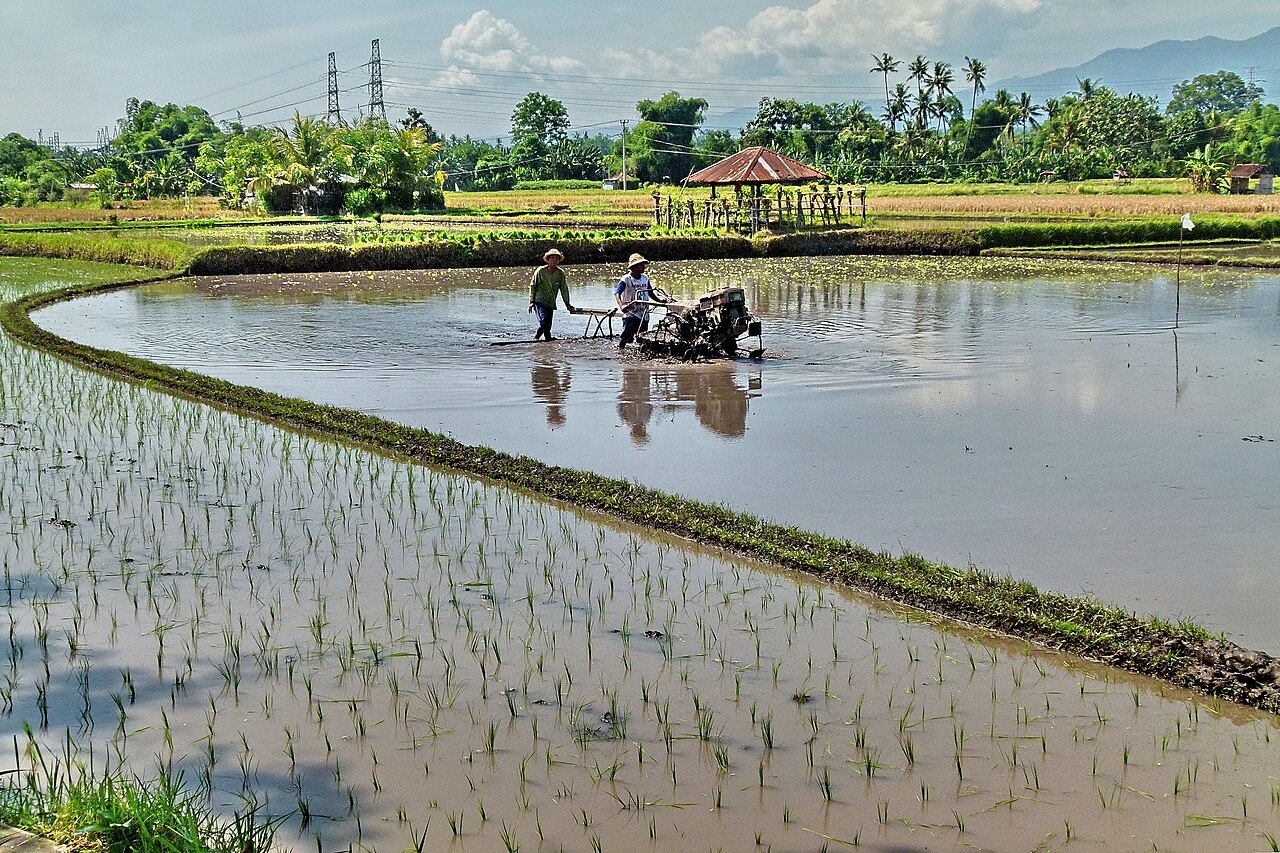
Photo: Geoff Gallice / Wikimedia Commons (CC BY 2.0)
Source: FAONewsRoom
Comments
(0)