
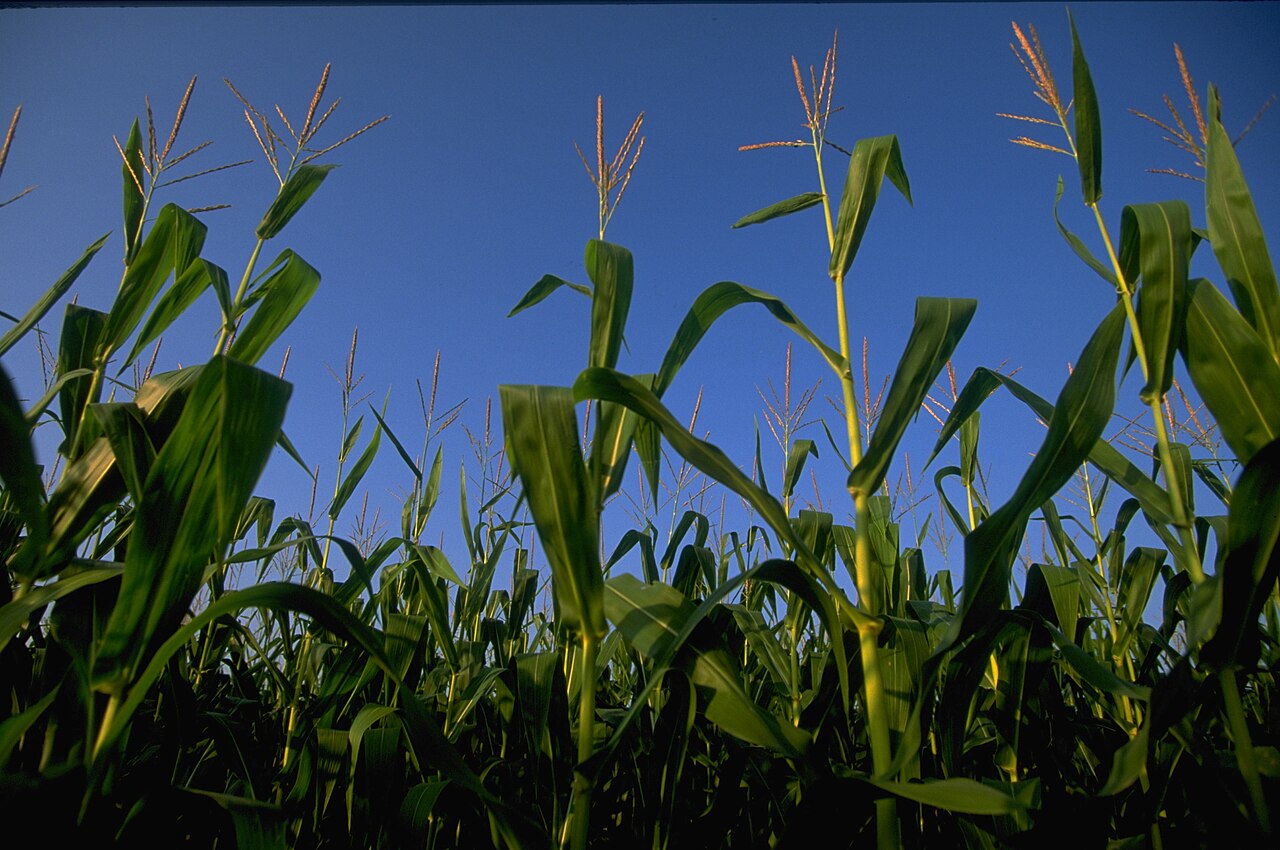
Torrential rain has parked combines across the United States this week, and a record-setting El Nino is a big part of the reason, Eric Snodgrass, senior science fellow at Nutrien Ag Solutions, told Pro Farmer.
Lincoln, Nebraska, set a daily precipitation record of 10.4 inches this week, Iowa had its wettest September on record and central Ohio its wettest growing-season finish. Between August and September some areas received 20 inches of rain and spots in Iowa 30, Snodgrass said. This week's soaking came from the remnants of Polo combining with a low that moved out of California across the middle of the country; before it, the mid-South had been in a rapid-onset drought, with Dallas going 76 days without a tenth of an inch of rain.
"It's huge. Biggest in my career," Snodgrass said of El Nino. It usually peaks in December, "but here it is the beginning of October. We've already smashed the record set in 2015." Rainfall totals and variability are both trending up, he said, "which makes it difficult to farm in".
He doubts the late-season mix of temperature and rain added yield, beyond perhaps test weight and bigger kernels. The rain has likely lodged some soybeans and raised the risk of corn stalk problems, and sprouting corn is appearing in fields, a sight farmers have not seen in years of dry harvests. "We'd better really consider what it means to have a crop with wet feet all the time," he said.
For growers still waiting to start, he sees a roughly 12-day dry window, the first five days needed for fields to dry, followed by about a week of harvest weather from early next week.
Looking to winter, El Nino points to drier, warmer conditions across the northern tier and wetter weather in the South, he said, with the Ohio Valley a possible dry pocket. A warmer north could push the snow line north and reduce snowpack in the Pacific Northwest mountains that irrigators in Oregon, Washington, Idaho and Montana rely on. About 80 percent of the country is in some stage of drought despite the rains, he said, a share he expects could fall to 30 percent if forecasts verify.
Photo: Andrea Booher, FEMA / Wikimedia Commons (Public domain)
Source: Pro Farmer


Comments
(0)