
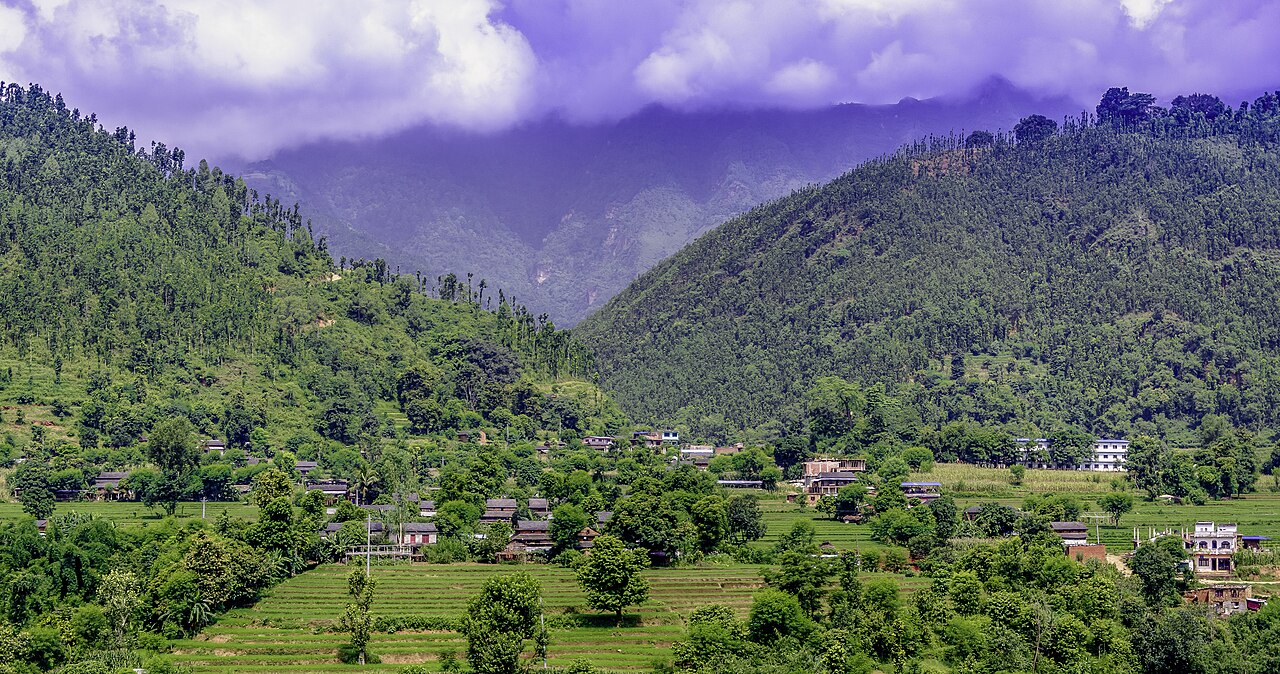
Three months after floods struck Nepal in August, families who lost homes, farmland, livestock and other productive assets are still struggling to rebuild as the Himalayan winter begins, the United Nations World Food Programme (WFP) said in Kathmandu. Damaged roads, bridges and transport links continue to cut people off from markets, services and work, and the loss of assets has undermined household incomes and food security, which colder weather could make worse.
In the first weeks WFP supported the government-led response with food for more than 20,000 people, followed by multipurpose cash for 22,400 people. It also moved 919 tonnes of humanitarian cargo for itself and partners by truck, helicopter and cargo drone to communities that damaged roads had cut off.
Getting farm produce out has been part of the recovery work. In areas that remain isolated, WFP has worked with communities and local authorities to keep agricultural produce moving, including carrying fresh produce by a pulley ropeway from Rasuwa to markets across the river. That helped farmers reconnect with buyers, protected their incomes and kept locally grown food in supply while permanent infrastructure was rebuilt.
"Recovery is about more than rebuilding roads and bridges," said Andrea Berardo, WFP Deputy Country Director in Nepal. "It means helping farmers reach markets again, restoring household incomes, and ensuring families can put nutritious food on the table." Emergency assistance helped families through the first weeks, but recovery will take much longer, and many families in the highlands are still in temporary shelters, he said.
An assessment released this month by Nepal's National Planning Commission found extensive damage to housing, transport, energy, livelihoods and local economies, and put recovery and reconstruction needs at NPR 706.65 billion, about US$5.2 billion. WFP estimates it needs an additional US$28 million to meet one year of recovery-related food security and nutrition needs.
Photo: Pkafle / Wikimedia Commons (CC BY-SA 3.0)
Source: WFP

Comments
(0)