
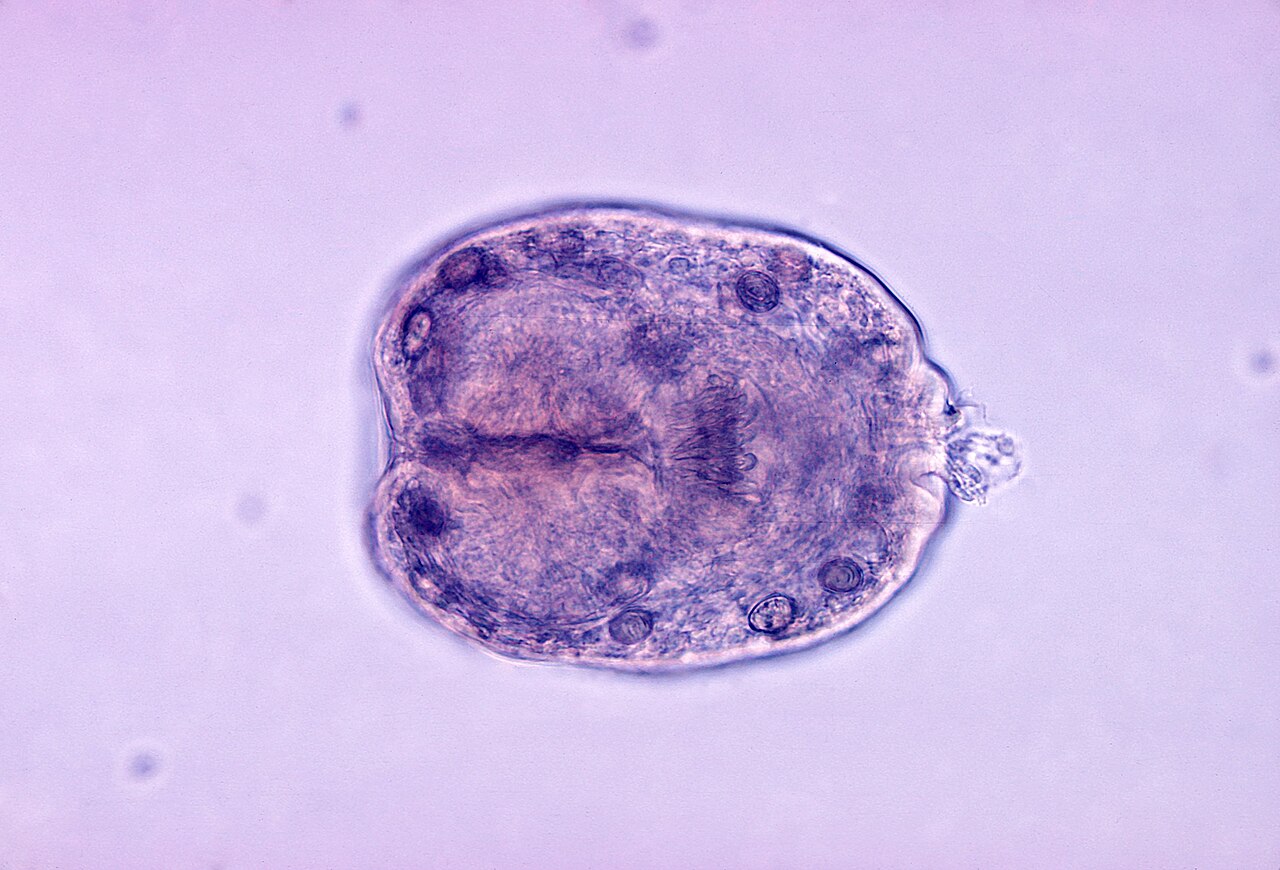
Wild coyotes and foxes in Pennsylvania carry Echinococcus, a tapeworm that can pass from wild or pet dogs to people and cause hard-to-treat infections in the liver or lungs, researchers at Penn State's College of Agricultural Sciences have found, Farms.com reports. The study was published in the journal One Health.
The team compared parasite data from nearly 27,000 pet dogs, 59 hunting dogs and more than 260 wild canids. Wild animals carried more parasites than pets, and hunting dogs had higher levels of some, including hookworms and whipworms, than household dogs, suggesting that animals spending more time outdoors or around wildlife face greater exposure.
"Although the prevalence of infection in wild canids appears to be low in Pennsylvania, we think it is important that veterinarians, pet owners, and hunters and trappers know that this parasite is present in the commonwealth," said Justin Brown, associate teaching professor of veterinary and biomedical sciences. The parasite had only recently been identified in the state.
Echinococcus usually causes no visible illness in dogs, and its eggs look almost identical to those of common tapeworms under a microscope, so traditional fecal tests can miss it. The researchers worked with Antech Diagnostics, whose KeyScreen GI Parasite PCR test detects the DNA of 20 gastrointestinal parasites of dogs and cats, some of them zoonotic. Penn State graduate Noelle Kuhn, now a veterinary student at Michigan State, compared the two methods on wildlife samples and found the DNA test better at finding parasites and telling look-alike species apart.
The researchers caution that no single test is perfect, since wildlife may carry parasites the panel does not cover, and suggest combining molecular and traditional methods for surveillance. The work, they say, reflects the One Health idea that the health of wildlife, domestic animals and people is linked.
Photo: CDC/Dr. L.L.A. Moore, Jr / Wikimedia Commons (Public domain)
Source: Farms.com



Comments
(0)