
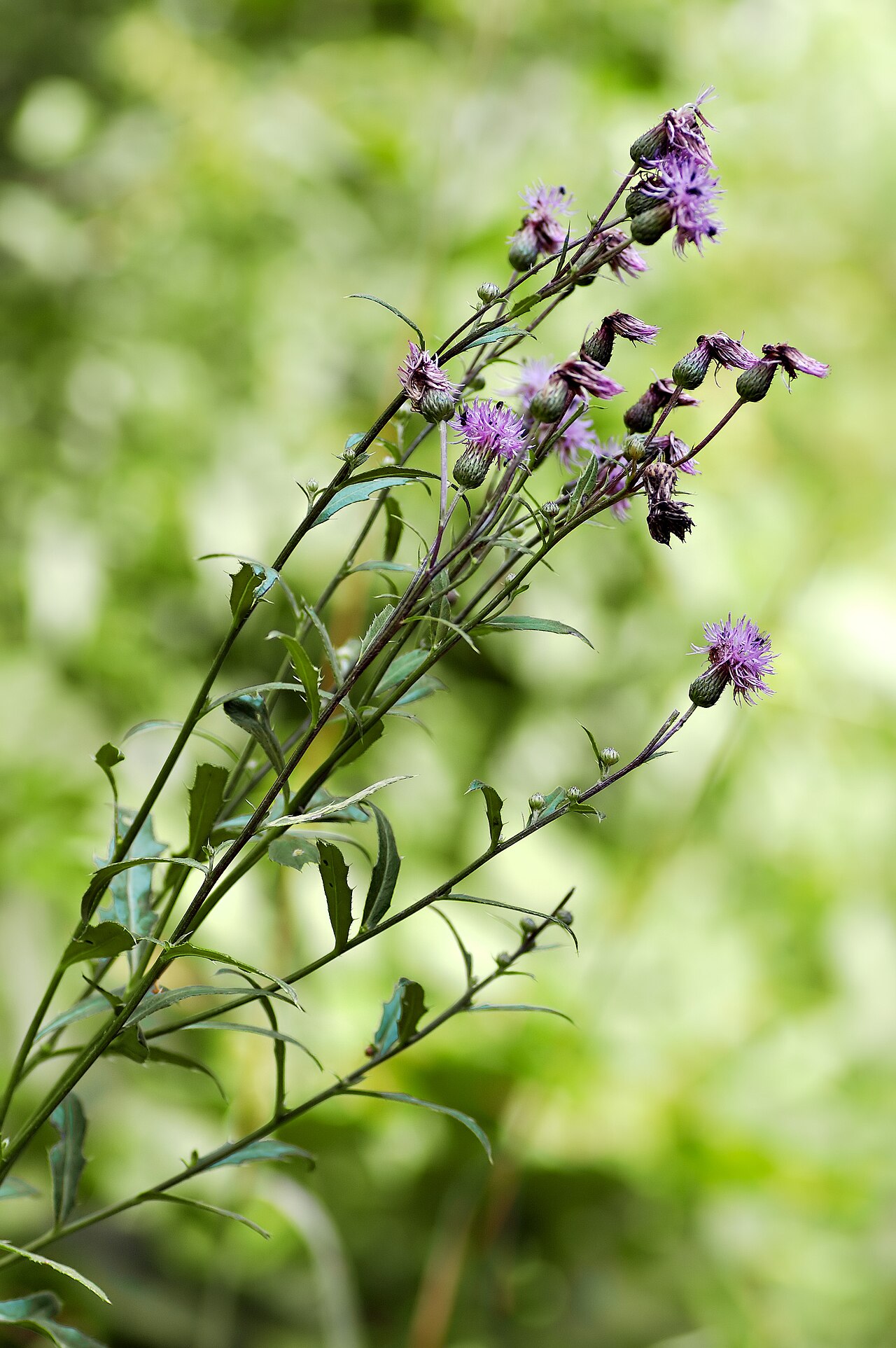
After drought in 2024 and a dry 2025, many pastures entered 2026 already stressed, and this year's heavy rains have helped weeds as much as grass, leaving thin stands, bare patches and more weed pressure, a Farm and Dairy column on pasture management says.
Autumn is often one of the best times to control perennial, biennial and winter annual weeds, the column explains. As plants prepare for winter they move energy reserves from their leaves to their roots, and systemic herbicides travel with those nutrients, so more of the active ingredient reaches the roots where long-term control is needed. Studies have shown better control of Canada thistle, dandelion, poison hemlock, wild carrot and cressleaf groundsel with autumn treatments while plants are still growing.
Timing matters: weeds need enough green leaf and must be actively growing, because herbicides work less well once a hard frost shuts plants down. Farmers should follow the label on timing, grazing restrictions and weather.
The column warns about residuals. Products containing aminopyralid, picloram, clopyralid or metsulfuron control difficult broadleaf weeds well but can persist long enough to harm legumes sown later, so anyone planning to frost-seed red or white clover this winter should check rotation restrictions first. Aminopyralid can remain active in treated forage, hay, manure and compost and injure sensitive broadleaf plants.
Herbicides are no substitute for good grazing, the column stresses: the best long-term weed control starts with a healthy pasture, with good soil fertility, dense forage, no overgrazing and adequate rest periods.
Photo: André Karwath / Wikimedia Commons (CC BY-SA 2.5)
Source: Farm and Dairy

Comments
(0)