
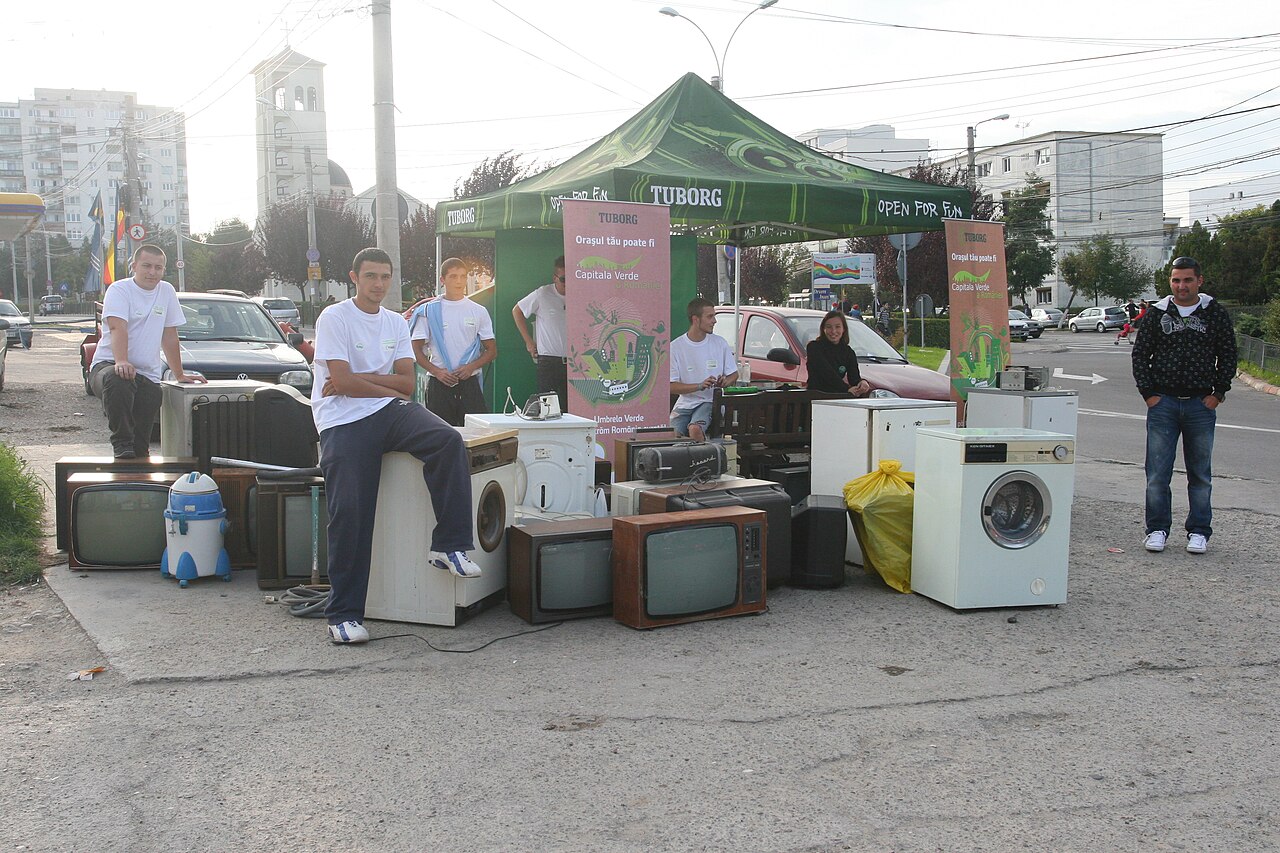
Broken phones, computers, televisions, fridges and batteries sit in homes, go to scrap dealers or are stripped for copper, with cables and plastic burned in the open, spreading lead, mercury and cadmium into soil, water and air. On International E-Waste Day, 14 October, Samakal reported that Bangladesh still has no integrated system to collect, safely process and recycle electronic waste.
A study by Transparency International Bangladesh (TIB) covering 2025 and published on 30 December found that about 97 percent of consumer e-waste collection happens in the informal sector, and only seven firms are registered with the Department of Environment to handle it. Of 14 firms registered with the telecom regulator BTRC, seven are not registered with the Department of Environment. Rules were issued in 2021, but there are no collection centres and no drop-off points in city corporations or municipalities.
In TIB's online survey of 675 people, 88 percent said they had no guidance on safe disposal, 72 percent had dead devices at home and 73 percent had never been offered a take-back. Customs data show 14,985 tonnes of e-waste materials imported and 4,040 tonnes exported from 2022 to 2024; some informal wholesalers ship circuit boards abroad without oversight, and some registered firms are accused of exporting more than their Basel Convention permits allow.
There is no full count of how much e-waste Bangladesh produces. One survey put it at 310,000 tonnes in 2016 and 400,000 tonnes in 2018, and at about 20 percent annual growth projected 4.6 million tonnes by 2035. Collectors put the annual figure at 2.8 to 3 million tonnes, with a potential market value of Tk 5,500 to 6,000 crore. The UN's Global E-waste Monitor 2024 says the world generated 62 million tonnes of e-waste in 2022.
Health specialists say lead impairs children's brain and nerve development, mercury damages the nervous system and cadmium harms the kidneys and bones. The most exposed are workers handling the waste without gloves or masks, and people living nearby. Yet e-waste also holds copper, gold, silver, aluminium and palladium: by TIB's estimate, the 1,173 tonnes a year collected at Dhaka's informal yards alone could yield about 31 tonnes of copper worth more than Tk 3.5 crore. Technology specialist Sumon Ahmed Sabir said that potential cannot be realised without separate disposal of toxic parts, protection for workers and accountability for producers and importers.
Photo: Umbrela Verde / Wikimedia Commons (CC BY 2.0); a representative picture of electronic waste
Source: samakal


Comments
(0)