
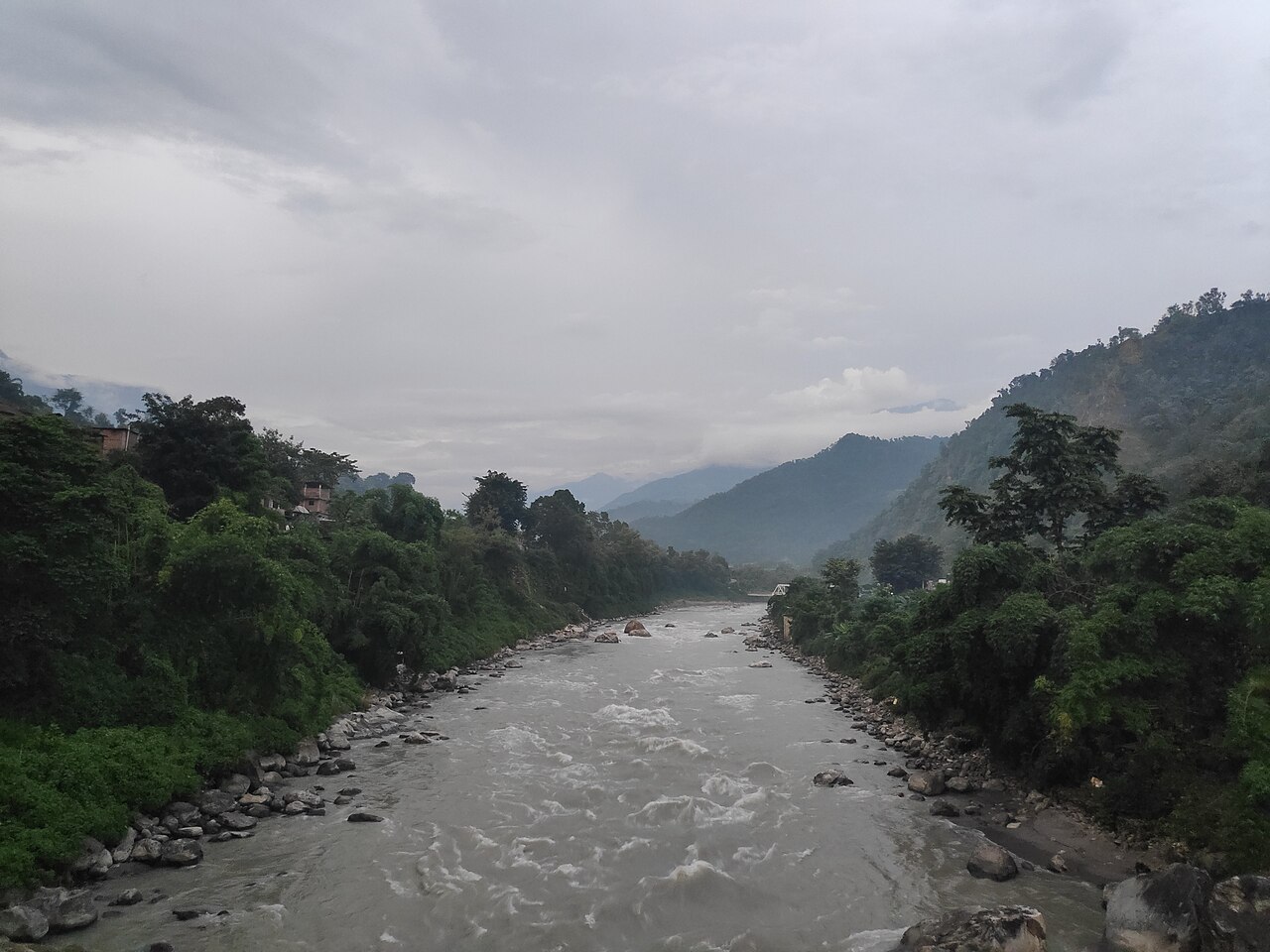
Nepal accounts for just 0.05 percent of global carbon emissions, yet melting Himalayan ice, flash floods, landslides and erratic rain cost it dearly year after year. In a column in Dhaka Post, Rakib Hossain, a PhD researcher in economics at Khulna University, asks why a country that did almost nothing to cause the crisis should pay so high a price. The views are the writer's own.
Citing an analysis published by the World Economic Forum, he writes that in Nepal a new disaster strikes before the last one's damage is repaired, and repeated spending on rebuilding and resettlement makes long-term development plans hard to carry out. Bangladesh, he argues, faces much the same: cyclones and storm surges on the coast, drought and river erosion in the north, and flash floods in the haor wetlands.
Rising salinity in Satkhira, Khulna and Bagerhat is hurting farm output and drinking water, and people in Kurigram, Gaibandha and Sunamganj suffer floods, erosion and crop losses again and again. The damage, he notes, goes beyond houses, roads and crops: a poor family that loses its cattle in a flood loses future income too, and a child whose schooling stops after a disaster may feel the effect for years.
He argues that if the hardest-hit countries must borrow again to cope with disasters, their economies come under greater strain, although their responsibility for climate change is small. Bangladesh should therefore push for more grant-based international support instead of loans for disaster response and rehabilitation, stronger early warning, better infrastructure in risk-prone areas and more investment in climate-resilient agriculture, and make sure the money reaches the most vulnerable people on the coast, chars and haors.
He acknowledges that cyclone warnings, shelters and volunteer preparedness have saved many lives in Bangladesh, but says how quickly incomes, production and schooling recover after a disaster should also count as a measure of development. Nepal's lesson, in his words, is that investing before the next disaster matters even more than rebuilding after the last.
Photo: Gaurav_Dhwaj_Khadka / Wikimedia Commons (CC BY-SA 4.0); the Budhi Gandaki river in Nepal
Source: Dhaka Post

Comments
(0)