
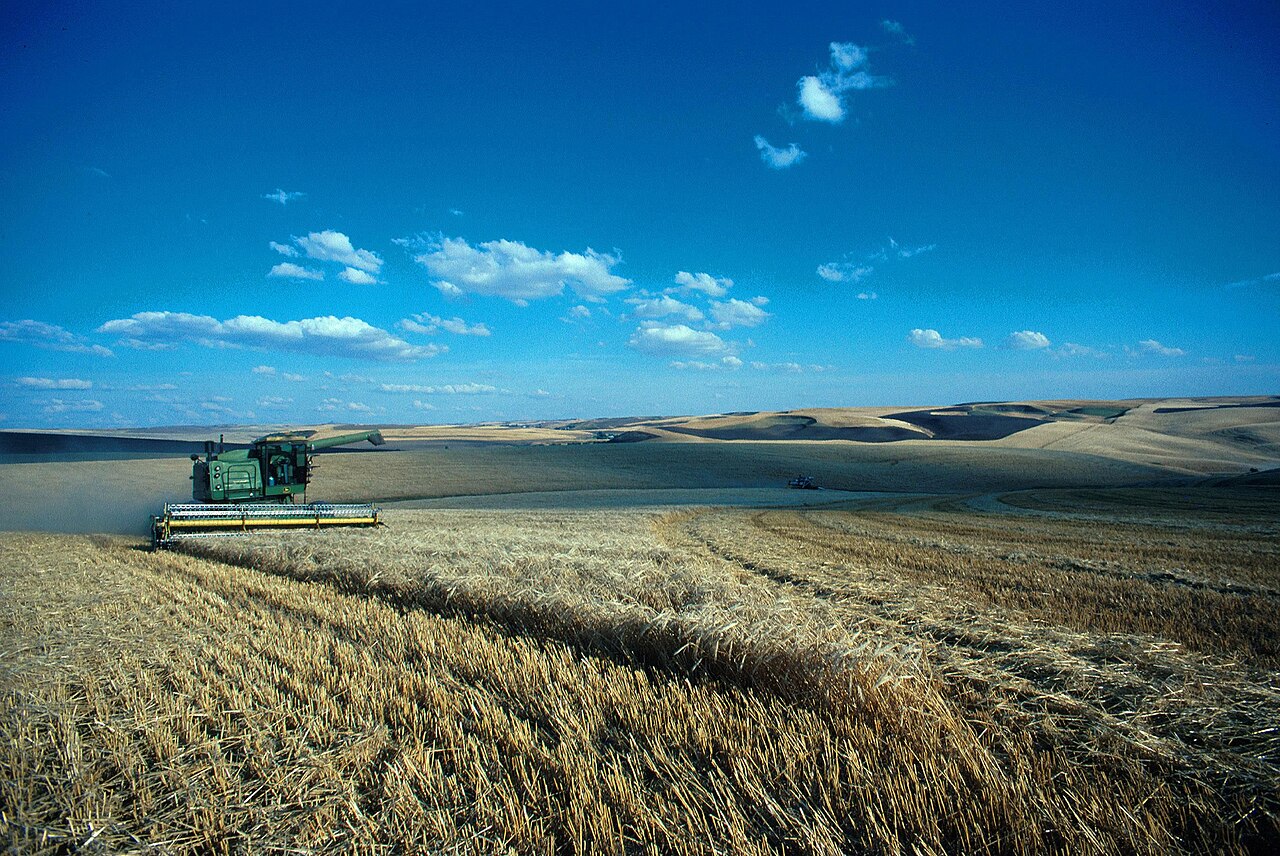
Feed grain values have firmed in northern Australia as growers ration new-crop grain to a hungry domestic market, while southern prices have eased as barley demand tails off, Beef Central's weekly Feedgrain Focus reported. Expensive diesel has slowed the movement of Mallee and Riverina barley to southern Queensland feedlots, so feedlots have raised their bids to growers closer to home.
On the Darling Downs, barley has been costing feedlots about $400 a tonne and corn about $600, with corn coming from the Murray and Murrumbidgee valleys. Many Western Downs growers are harvesting barley and wheat but holding barley in the hope of a rally. "If you want to buy it, you've got to have a truck 'combat ready' to put under the auger as soon as it's been harvested," one trader said. Cottonseed is trading at about $540 a tonne ex gin.
Chickpeas are the hot harvest sale in the north, bid at about $950 a tonne delivered in Central Queensland, $1,000 on the Downs and $1,020 in Brisbane. The Central Queensland harvest is almost over and is believed to have produced more chickpeas than wheat. Old-crop wheat is being held in the hope of higher prices as weather agencies point to a strengthening El Niño.
Patchy rain slowed parts of the northern harvest: Moree recorded 38 mm, Emerald 20 mm and Roma 14 mm in the week. A few Queensland growers had enough rain to start planting sorghum, but most need another 25-50 mm. In the south, Horsham broker Andy Brown said growers were clearing silos before harvest and "barley demand is hard to find"; multigrade contracts based on APW wheat are being written at about $375 a tonne.
Agriculture Victoria has reported Australian plague locust hatchings across much of north-west Victoria, including Northern, Central and Southern Mallee localities such as Hattah, Murrayville and Hopetoun. The insects can badly damage crops and pastures if not controlled at the right time. The department said landholders and public land managers are responsible for monitoring their land and for any control, and that because eggs were laid at different times, an extended hatching period is expected.
The report was written by Liz Wells.
Photo: U.S. Department of Agriculture / Wikimedia Commons (Public domain)
Source: Beef Central

Comments
(0)