
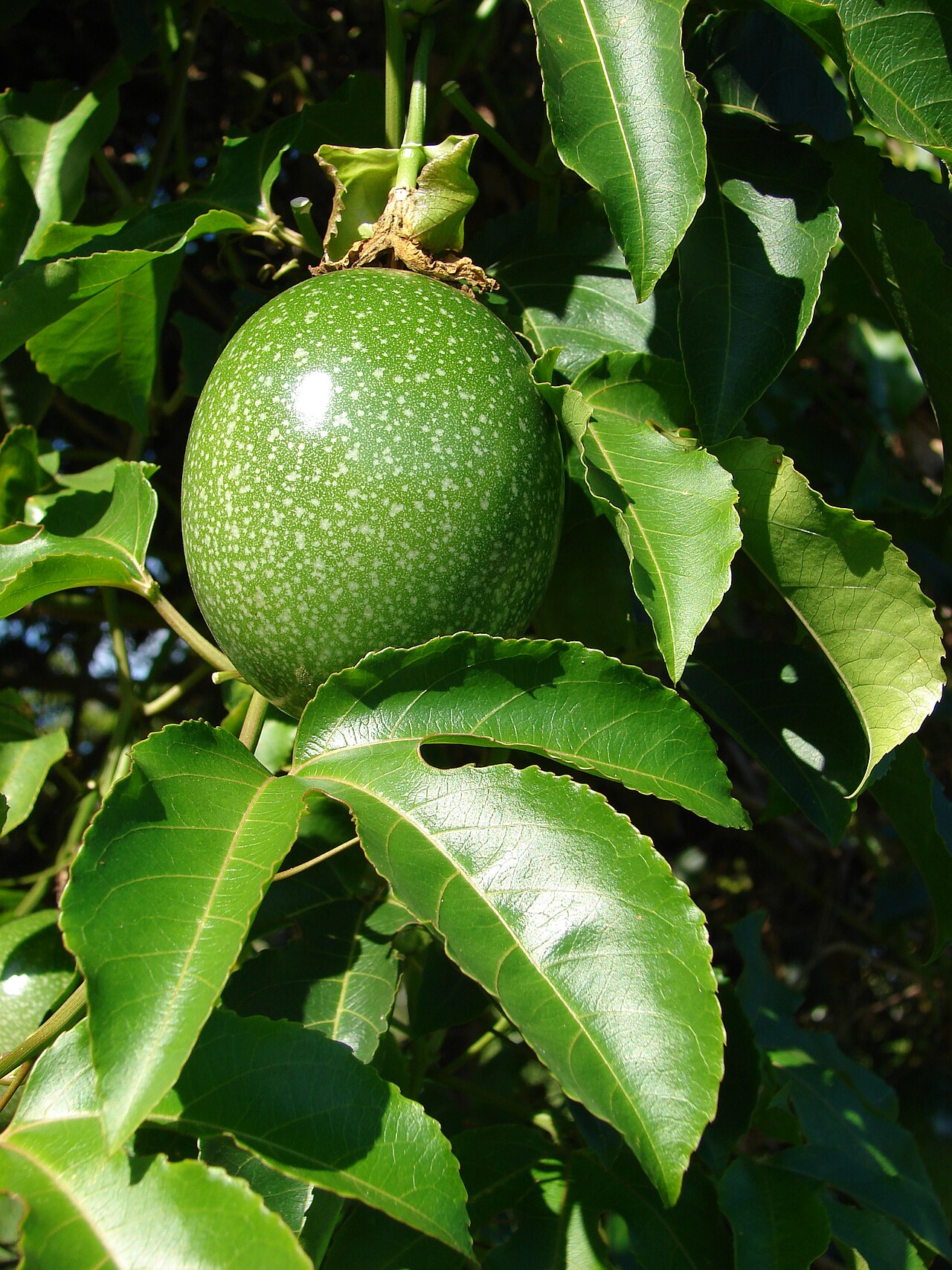
Because it needs little land, fruits for years from one planting and has commercial potential for drinks, anarkali is spreading fast in Bangladesh. Known as passion fruit, tang fruit or sharbati fruit, the climbing crop is drawing both small and commercial growers.
The fruit, from the uplands of South America, first became known in Bangladesh through tourist spots and the hill districts. It is now grown successfully not only in Bandarban, Khagrachhari, Rangamati, Sylhet and Panchagarh but on the plains of Chuadanga, Jhenaidah and Tangail. According to the Agriculture Information Service, it comes originally from the forests of Brazil, Paraguay and northern Argentina.
Md Sajal, a farmer in Jibannagar upazila of Chuadanga, was inspired after seeing the fruit sell for Tk 50 to 60 each in Cox's Bazar and planted an orchard on 33 decimals of his land. Preparing the land and planting cost about Tk 120,000, and in the first year he sold Tk 300,000 to 400,000 worth of fruit. He now picks about a thousand fruits every two or three days, selling them wholesale at Tk 25 to 30 each. The vines bear all year except December to March.
According to the Rangpur Horticulture Centre, vines flower eight to ten months after planting. Each bears 20 to 25 fruits in the first year, rising to 200 to 250 from the second or third. It does best on sunny, high, well-drained land. Fruit is ready 60 to 75 days after flowering; a skin turning from green to yellowish or purple, slight wrinkling and a strong scent are the signs of ripeness.
Agricultural scientists say the perennial vine fruits for 25 to 30 years with proper care. About two decades ago, varieties were brought from Malaysia, Indonesia, Thailand and Vietnam through Bangladesh Agricultural University. Its juice, seeds and rind all have industrial uses.
Agriculturists warn about the market, though. The fruit cannot be eaten out of hand like most fruit and spoils quickly, so demand for fresh fruit is still limited. Rather than relying on fresh sales, they say, linking growers with factories for juice, pulp and other processed products could make anarkali much more profitable.
Photo: Forest & Kim Starr / Wikimedia Commons (CC BY 3.0); passion fruit vine and fruit
Source: Dinajpur TV
Comments
(0)