
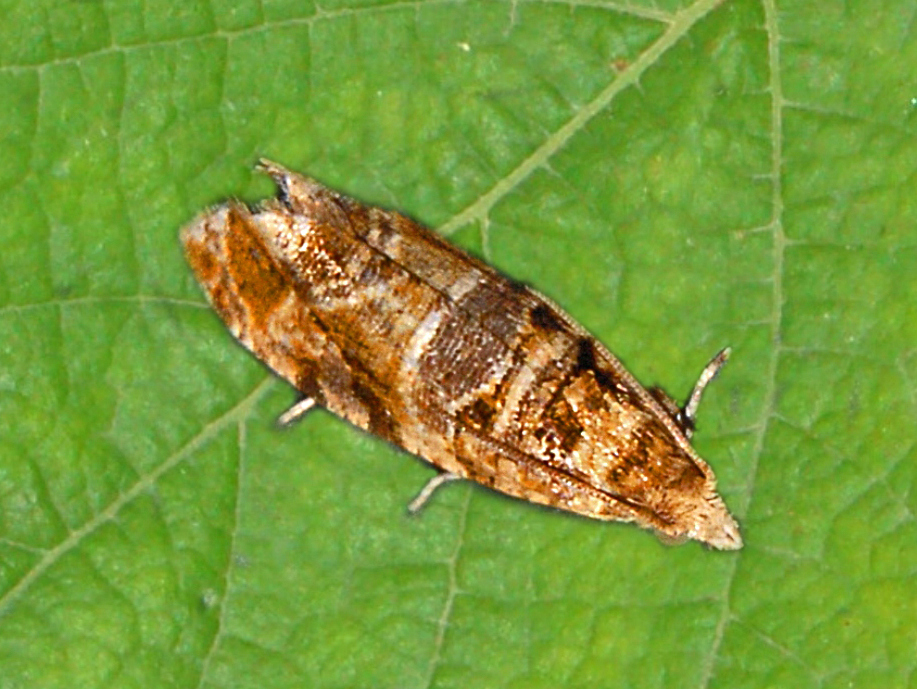
Argentina's Mendoza province began a province-wide aerial and drone insecticide operation on 14 October against the first generation of Lobesia botrana, the European grapevine moth, covering about 90,000 hectares of vineyards by aircraft and another 10,000 hectares by drone in plots too awkward for fixed-wing planes, Global Agriculture reported.
The operation, announced on 12 October by ISCAMEN, Mendoza's plant health agency, is the third stage of the provincial "Operativo Lobesia 2026/27" programme, paid for by the province and serving more than 9,000 grape growers. It covers the Norte and Este oases, in Lavalle, Luján de Cuyo, Junín, Rivadavia, San Martín, Santa Rosa and La Paz, with two applications over about ten days and a possible retreatment.
ISCAMEN said the products are registered with SENASA, Argentina's national agricultural health service, and fall in toxicological category IV, the lowest-risk "green band", though the active ingredients were not named. Spraying starts when flower clusters reach five to seven centimetres and should protect the crop for at least 30 days. Abandoned and high-risk vineyards come first, no treatment is planned in urban or peri-urban areas, and the programme runs under a provincial environmental impact declaration.
The moth has been a priority quarantine pest for Mendoza's grape and wine industry since it was first found in Argentina in 2008: larval feeding opens grapes to fungal rot, and several importing markets restrict fresh grapes because of it. Officials said in July that the 2025/26 campaign, which covered more than 130,000 hectares over the full season with pheromone mating disruption, low-impact sprays, drones, light aircraft and pheromone gel on vineyard stakes, cut moth detections by close to 70%.
For the new season, the province, ISCAMEN, SENASA's regional office and industry groups including Fecovita and Bodegas de Argentina agreed to keep the integrated approach and to buy control inputs earlier so treatments can be timed more closely to the pest's emergence.
Photo: Hectonichus / Wikimedia Commons (CC BY-SA 4.0)
Source: Global Agriculture

Comments
(0)