
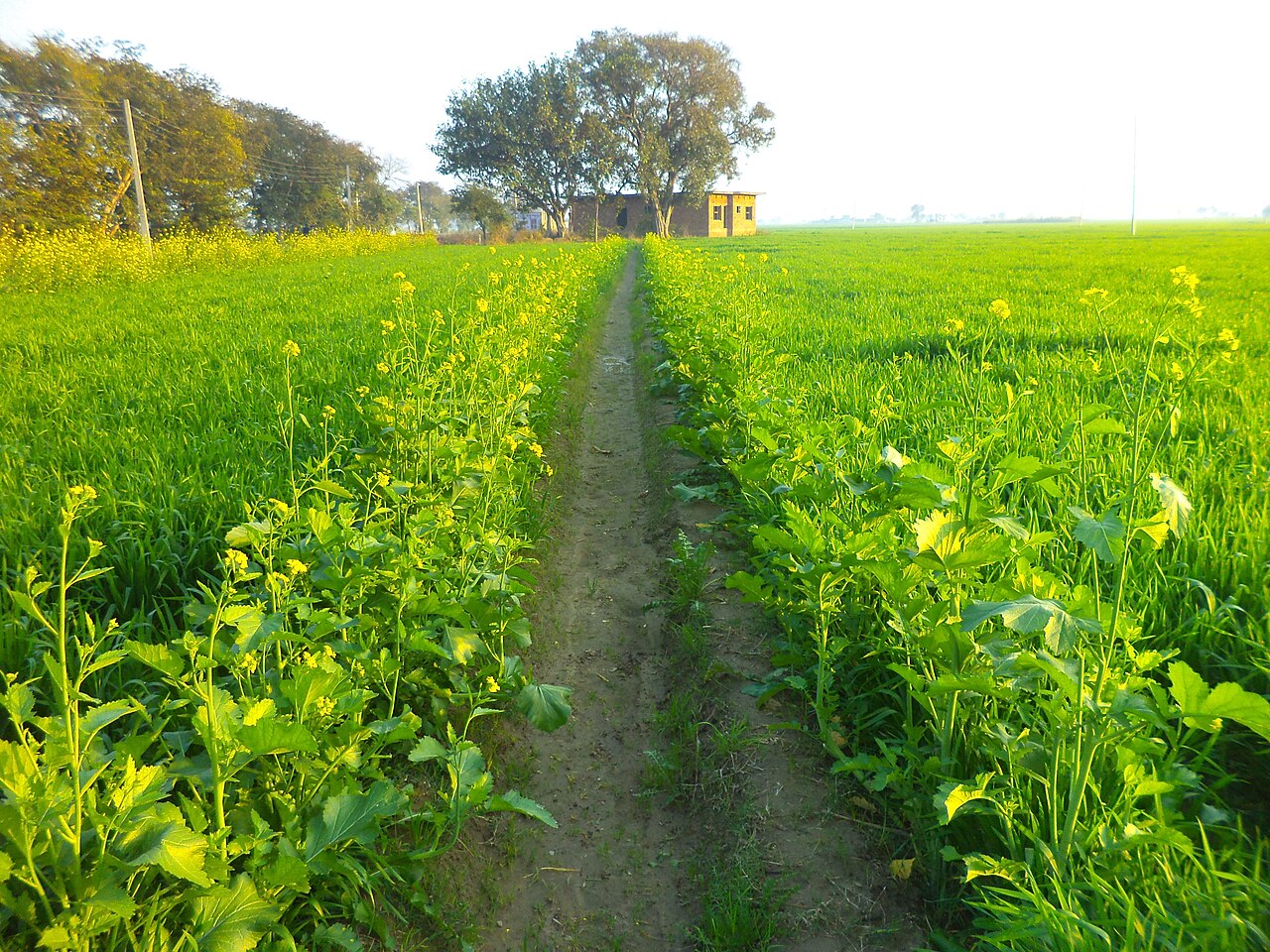
CropLife India, the association of research-based crop protection companies, has issued a four-point advisory for the 2026-27 rabi season covering seed, sowing, scouting and sourcing, after India's weakest monsoon since 2015, Krishi Jagran reported. According to the India Meteorological Department, the southwest monsoon ended at 87% of its long-period average, with rainfall at 76% in the south and 74% in the east.
On seed, the advisory calls treatment before sowing the most cost-effective protection against seed- and soil-borne diseases, such as smut in wheat, which cool, moist conditions worsen, and wilt and dry root rot in chickpea, which moisture stress and heat worsen. On sowing, it recommends termite treatment only in fields with a history of infestation and enough soil moisture for the treatment to work, and notes that mustard sown in the second half of October, where moisture allows, faces less aphid pressure at flowering.
On scouting, it says spraying should follow regular field checks rather than a fixed calendar; wheat aphids, for example, need control only above 10 to 15 per tiller. On sourcing, it warns that a hard season raises the risk of illicit products reaching farmers and calls for firm action against unauthorised trade, including regulation of online sales with licence checks and product traceability. Farmers are advised to contact research stations, Krishi Vigyan Kendras or agriculture officials for help.
"The weakest monsoon in over a decade has altered the starting conditions for Rabi," said secretary-general Durgesh Chandra, adding that uneven soil moisture affects how crops establish, how pests behave and how well inputs work. The government's new rabi support prices include rises of Rs 675 a quintal for safflower, Rs 413 for rapeseed and mustard, Rs 390 for lentil, Rs 136 for barley, Rs 83 for gram and Rs 25 for wheat. The association's members make up about 70% of India's crop protection market.
Photo: D.aspis9394 / Wikimedia Commons (CC BY-SA 3.0)
Source: Krishi Jagran

Comments
(0)