
About 19.2 million people in Afghanistan, 38% of the population, are projected to face high levels of acute food insecurity during the November to April lean season, up from 17.4 million projected for the same period a year earlier, the UN Food and Agriculture Organization (FAO) and World Food Programme (WFP) said, citing the latest Integrated Food Security Phase Classification (IPC) analysis.
Some five million of them will face emergency levels of hunger (IPC Phase 4), double the number projected for April to September 2026, with the worst conditions expected in Badakhshan, Badghis, Daykundi, Ghor, Samangan, Sar-e-Pul and rural Ghazni. Acute malnutrition cases are expected to rise by nearly 10% in 2027 to four million, a quarter of them severe, while prevention and treatment services lag behind.
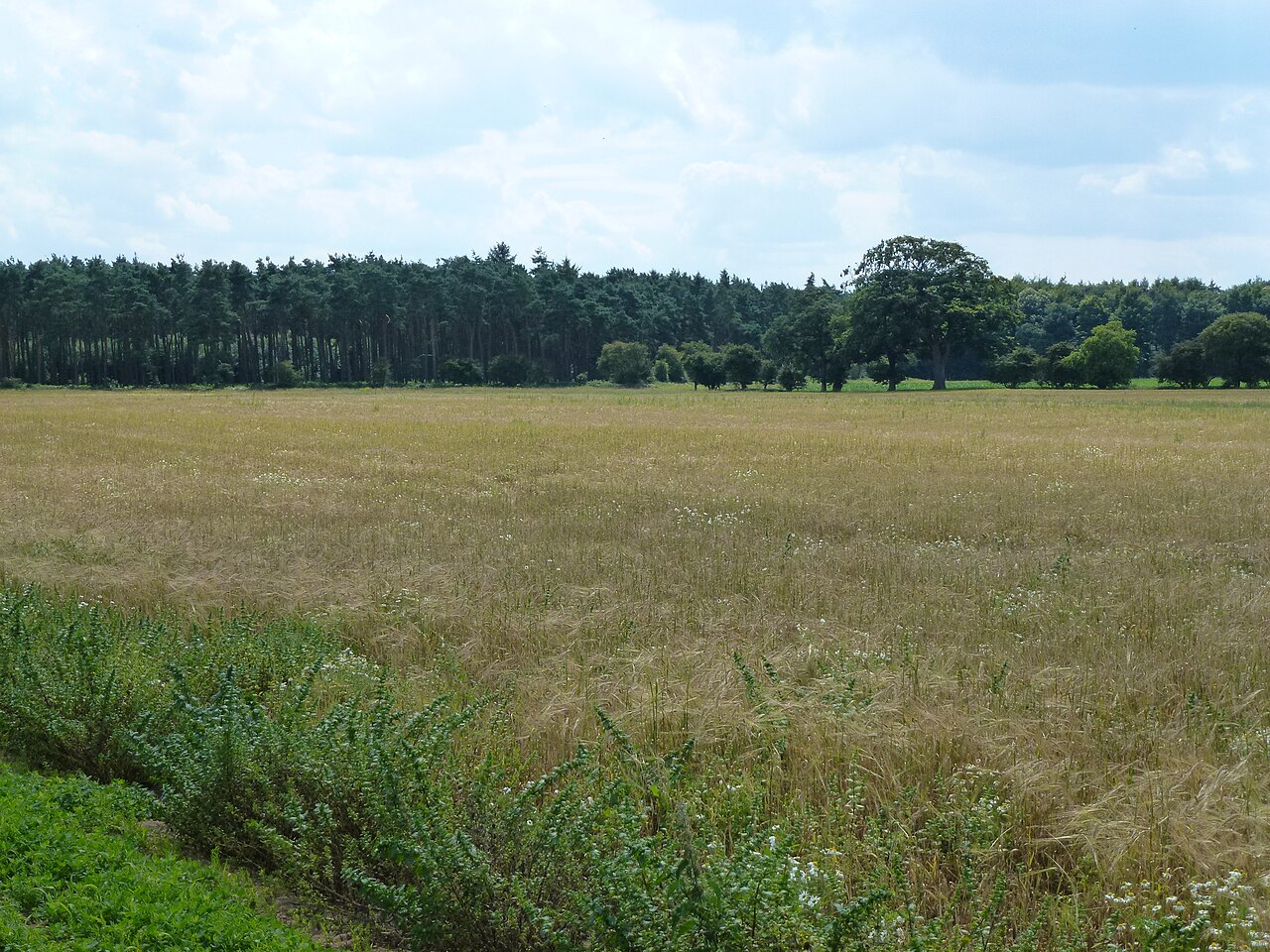
The paradox is that 2026 was a good farming year. Favourable rainfall supported crops and pasture, and the expected El Niño could bring above-average rain for winter and spring crops. But high fertilizer and input costs and low crop prices may force poorer farmers to plant less, and wetter weather raises the risk of flooding, erosion and plant and animal disease. Persistent unemployment means families who do not grow their own food cannot afford a nutritious diet even when it is in the market, and winter brings fewer farm jobs.
Other pressures are adding up: more than 1.2 million Afghans have been forced to return from Iran and Pakistan this year, border closures and disruption to shipping through the Strait of Hormuz are raising prices, and humanitarian funding has fallen sharply. "This year's strong harvest shows what Afghan farmers can achieve. But for a parent with no steady income, nutritious food in the market can still be out of reach," said Richard Trenchard, FAO Representative in Afghanistan. WFP Country Director John Aylieff said the window to act "is closing fast." The two agencies are asking for urgent funding for food aid, emergency agricultural support and malnutrition treatment before winter cuts off access.
Source: WFP

Comments
(0)