
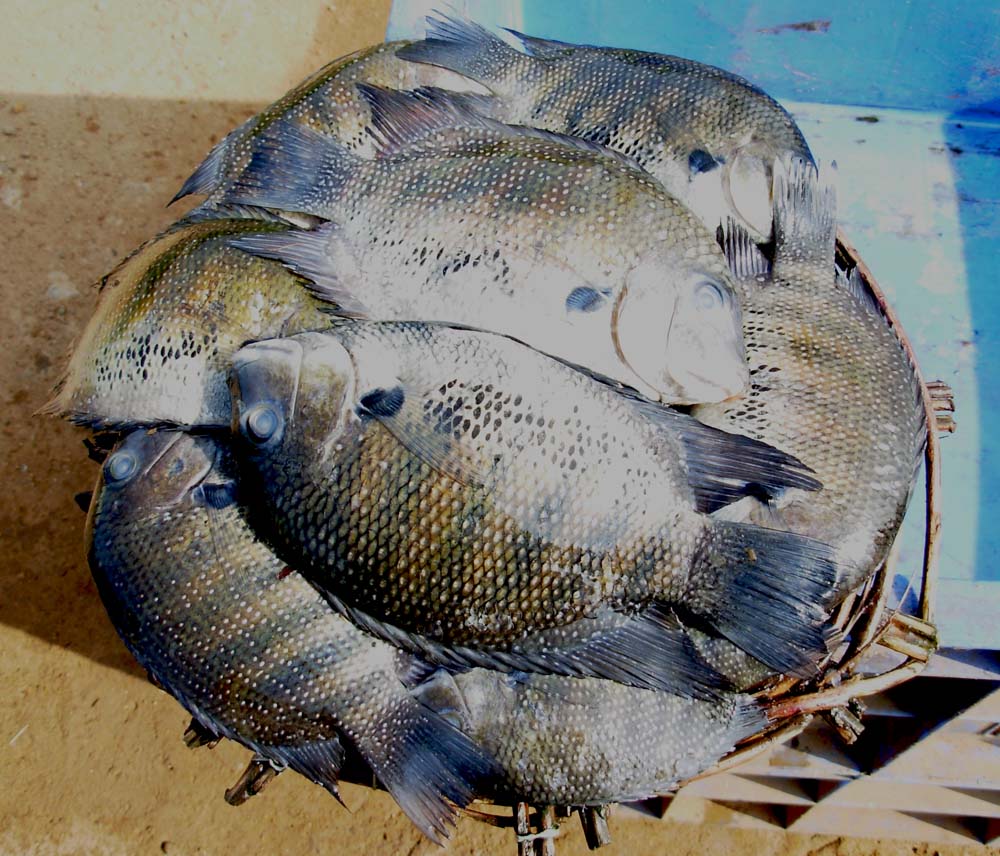
Coastal women in Kerala are setting up their own fisheries businesses with the help of the ICAR-Central Marine Fisheries Research Institute (CMFRI) in Kochi, the Indian Council of Agricultural Research said. Under a Science, Technology and Innovation (STI) Hub funded by the Department of Science and Technology, the institute helped establish 84 micro-enterprises across eight districts between 2022 and 2026. Most beneficiaries belong to Scheduled Caste communities.
The programme directly benefited 469 people, including 220 women and six transgender people, with indirect benefits expected to reach about 2,500 others. An impact assessment found household incomes rose by 30 to 35%. The project ran 141 training programmes.
The businesses include cage fish farming, pearl spot seed production, ornamental fish culture, integrated fish farming, mussel and oyster farming and clam cultivation, as well as fish value addition, fish vending and dry fish production. Participants have also learned to build cages, set up aquariums and distribute seed and broodstock, widening their roles in the value chain. CMFRI supported them with technology, hands-on training, business guidance and market links through its Agricultural Technology Information Centre and Krishi Vigyan Kendra.
"The STI Hub demonstrates how scientific interventions can translate into tangible economic opportunities," said CMFRI director Dr Grinson George, calling it a replicable model for empowering women in fisheries. He said the project addressed gaps in finance, technical knowledge and infrastructure for coastal communities living on subsistence incomes. The institute also planned a Women Farmers' Day event at a beneficiary's farm in Kodungallur.
Coastal women in Bangladesh, from Cox's Bazar to Satkhira, work in many of the same activities, especially dry fish production and crab and fish seed collection.
Photo: Arayilpdas / Wikimedia Commons (CC BY 2.5)
Source: ICAR
Comments
(0)