
Chinese crop protection companies have long supplied the US market with active ingredients, intermediates and formulations, while American and multinational firms handled registration, branding, distribution and the relationship with the grower. That division is loosening, write Hua Cheng, a crop protection professional based in China, and David Li, vice president at SPM Biosciences, in a column for CropLife. The views are the writers' own.
Over the past decade, they write, some Chinese suppliers have invested beyond offshore manufacturing: in independent retail access, local commercial teams, regulatory assets, US entities, toll formulation and US inventory. In selected cases they are moving closer to the grower, through digital platforms, independent retailers, crop consultants and custom applicators, while many still rely on branded-generic companies and traditional distribution. Selling direct, the authors argue, is less a simple e-commerce story than a matter of suppliers gaining more options for how they reach the market, and it matters strategically even while it remains a small share of sales.
That does not make US farm retail obsolete, in their view. A retailer's hardest-to-copy strengths sit close to the field: agronomic judgment, custom application, emergency inventory, financing, local relationships and accountability when something goes wrong. Those become more valuable, not less, as product sourcing becomes more transparent.
They set out three priorities for retailers. First, compete on what cannot be shipped in a container: a business that offers only product access is increasingly vulnerable. Second, treat Chinese supply as an option, not only a threat, for example by pairing globally competitive manufacturing with the retailer's own regional brand and service. Third, own the grower's decisions around a product: what to use, when and how to apply it, how to manage resistance and how to finance the season.
China is likely to remain an important manufacturing centre, the authors conclude, and the winners may be the companies that best connect manufacturing with agronomy, application, financing and local execution, rather than the ones that try to own every part of the value chain.
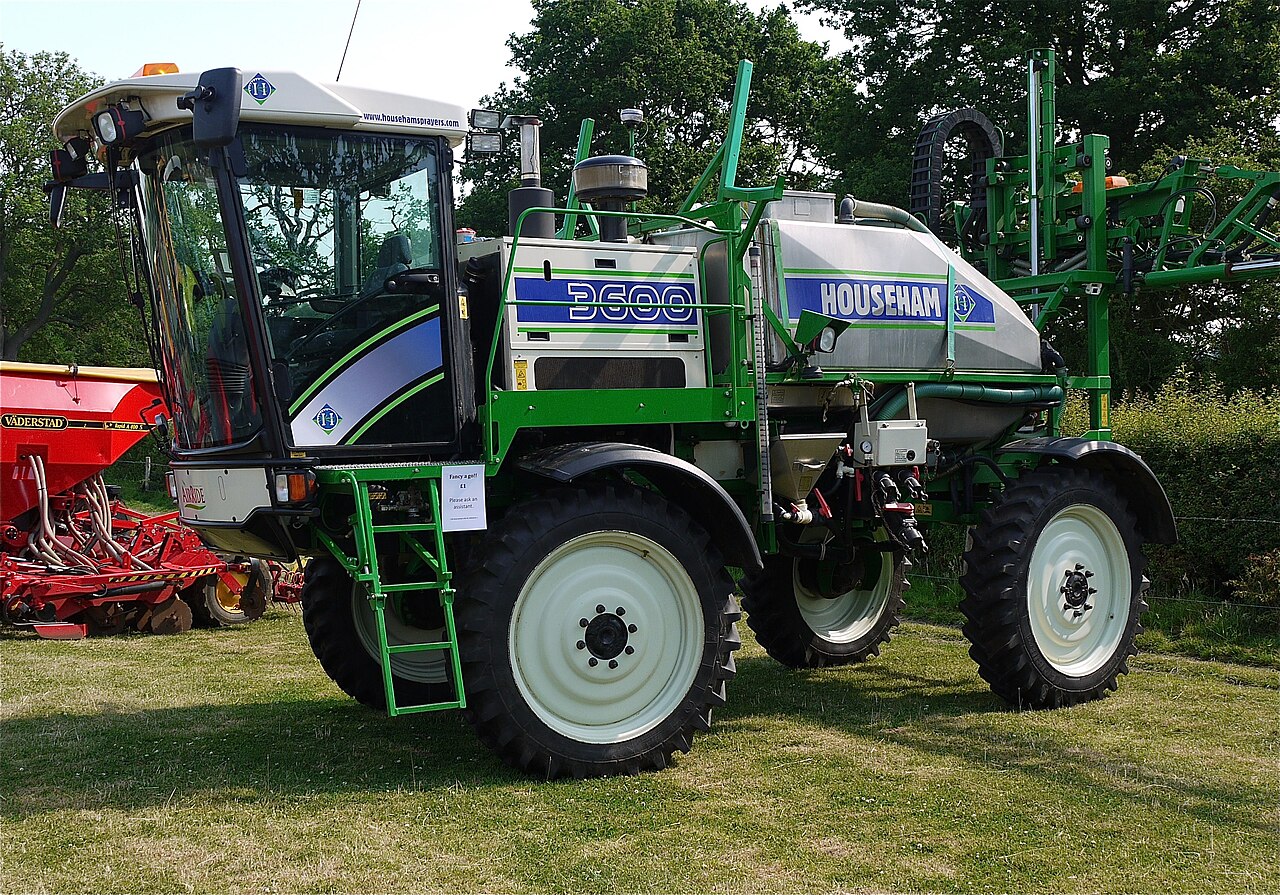
Photo: Mick from Northamptonshire, England / Wikimedia Commons (CC BY 2.0)
Source: CropLife



Comments
(0)