
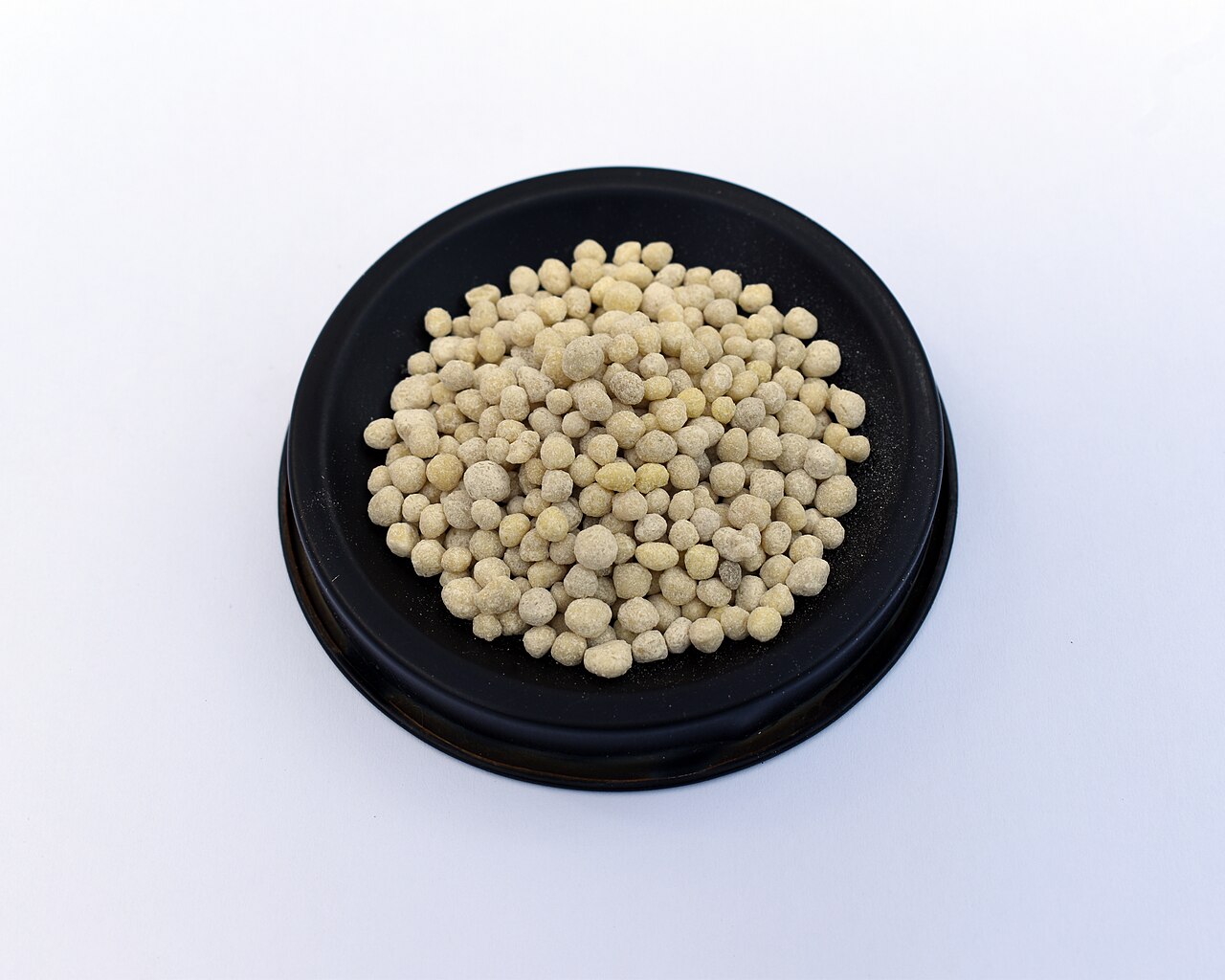
China's exports of phosphate fertilisers have fallen from about 5.3 million tonnes in 2025 to almost nothing so far in 2026, according to price-reporting agency Argus Media, cited by Western Producer and UkrAgroConsult and reported by Global Agriculture. The near-halt is tightening a stretched world market and has pushed affordability for farmers in import-dependent countries to its worst level in years.
Phosphate fertilisers such as diammonium phosphate (DAP), monoammonium phosphate (MAP) and single superphosphate (SSP) are essential for root growth and go into the NPK blends used on cereals, oilseeds and horticultural crops. Argus analyst Lynn Wang said Chinese producers have become "focused solely on meeting domestic demand" because sulphur, a key raw material for phosphoric acid, is scarce. Beijing has used export policy for several years to steady its domestic market, and the latest curb covers both phosphate fertiliser and sulphuric acid.
Argus expects only a partial recovery, to about 2 million tonnes of Chinese phosphate exports in 2027, and says a fuller rebound depends on China's sulphur supply stabilising, for which there is no clear timeline. Sulphur shortages have also forced production cuts at Brazilian plants making MAP, SSP and triple superphosphate. Argus's affordability index now ranks phosphate as the least affordable major nutrient, worse than nitrogen or potash.
Nitrogen looks different. China's urea exports are forecast at 6-7 million tonnes for 2026, which traders say has helped keep world urea prices in check even as phosphate climbs, an unusual split that complicates planning for national fertiliser buyers and large cooperatives ahead of planting in both hemispheres.
In a normal year China ships several million tonnes of phosphate into South Asian, African and Latin American markets. Without those cargoes, importers are likely to lean harder on Morocco, Saudi Arabia and the United States, competing for the same tonnes while freight and input costs stay high.
Photo: Suyash Dwivedi / Wikimedia Commons (CC BY-SA 4.0)
Source: Global Agriculture

Comments
(0)