
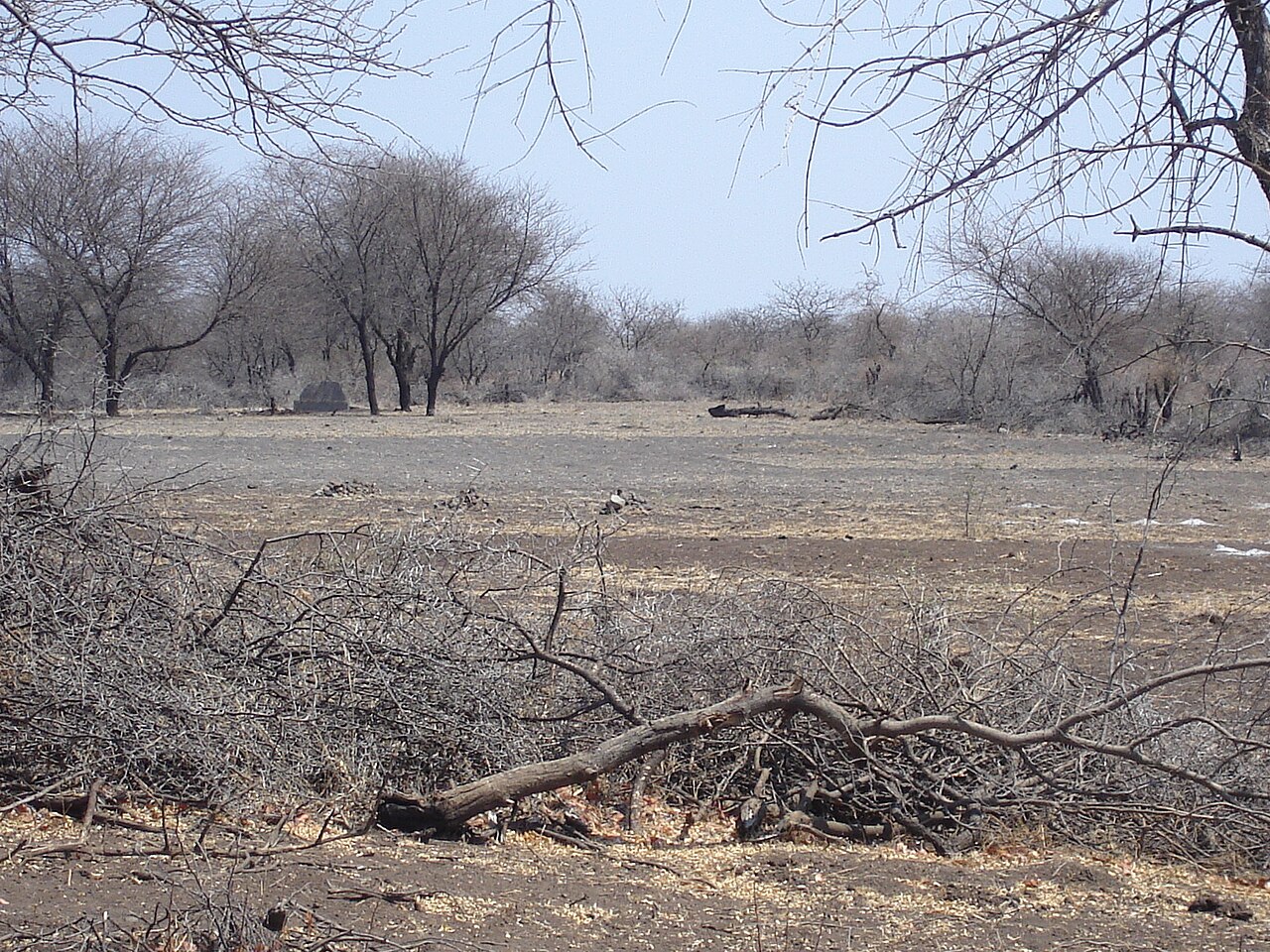
In a column for Farmers Weekly, farmer Sam Walker writes about what he learned from a year with a work-experience student from Zimbabwe. The views are the writer's own.
Blake Van Rooyen has been working on Walker's farm for the past year as part of his studies at nearby Bicton College; his home is in Marondera, a prominent farming area of Zimbabwe. Explaining British farm news to him, Walker writes, meant adding context to issues that seem nuanced to someone used to farming in sub-Saharan Africa, and noticing how aggrieved the paper's readers often appear.
The comparisons ran through the pages. Walker explained the inheritance tax change on farmland; Van Rooyen explained Amendment 17 to Zimbabwe's constitution, which Walker describes as having nationalised private farms without compensation. Cabbage stem flea beetle in early-drilled oilseed rape, they agreed, lacks the ferocity of the locust swarms that sometimes cross Zimbabwe. Bovine TB and livestock worrying by dogs have their African counterparts in endemic foot-and-mouth, leopards and rabid jackals, and the list could go on to drought, fuel and fertiliser shortages, power cuts, theft, malaria and snakes.
Walker, who spent a year in Zimbabwe in the late 1990s, says that list does the country an injustice: the soil and climate of the Highveld can produce a scarcely credible variety and abundance of crops, and "the challenges may be tough, but the farmers are tougher".
Seen from that lunch table, he writes, British farming's problems look smaller. Britain has a government that pays farmers to grow wildflowers and bird food and for a vet to test their cattle, and it has the rule of law. Dry summers, rising red diesel prices and a government he calls disinterested may seem, to a Zimbabwean farmer, "mere lumps in the cushions of our feather pillowed bed".
Photo: Babakathy / Wikimedia Commons (Public domain)
Source: Farmers Weekly


Comments
(0)