
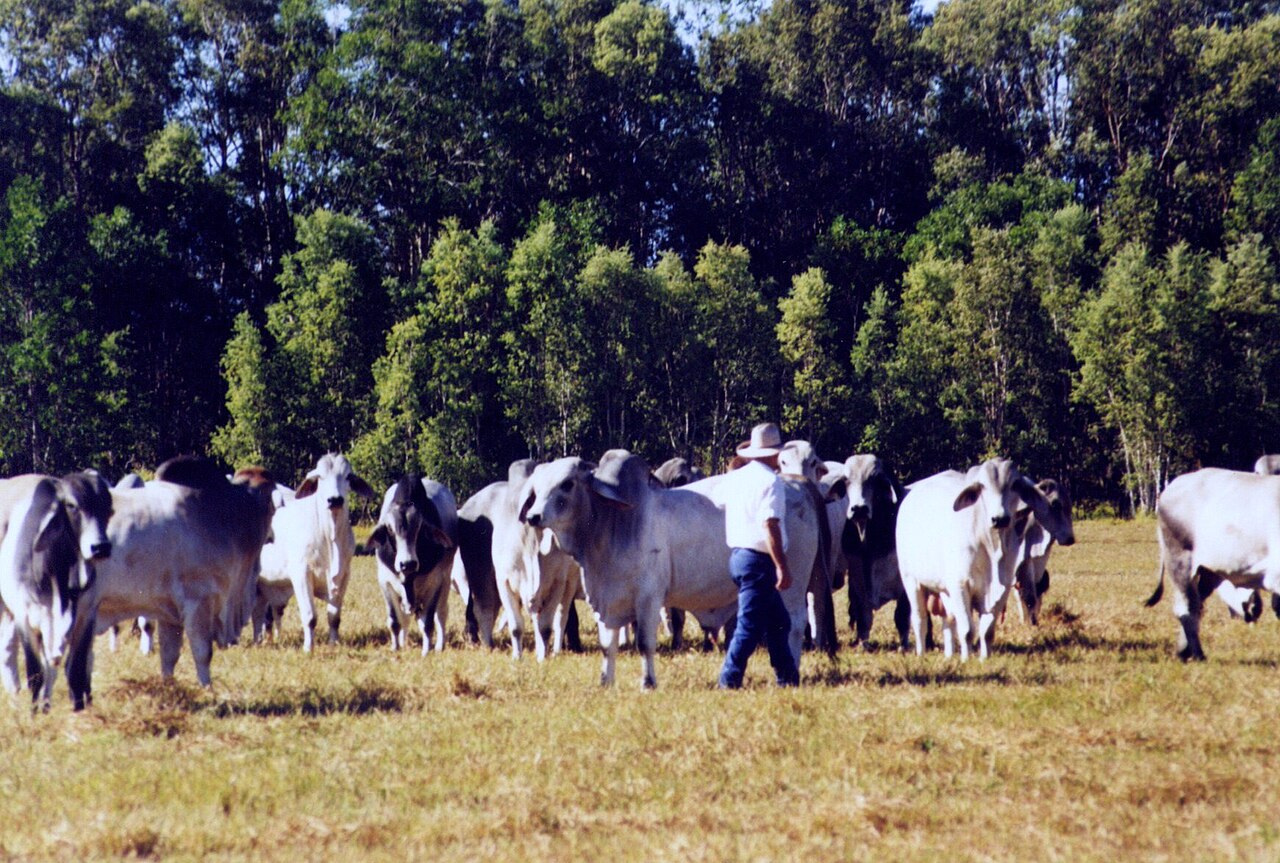
Beef from Bos indicus cattle, the humped zebu-type animals that dominate herds in Brazil and India, overtook production from Bos taurus breeds globally two years ago, according to analysts Simon Quilty and Brett Stuart of Global Agri-Trends, Beef Central reported. "There is more commodity meat in the world than ever before," Quilty told northern producers at a meeting hosted by AgForce and Cattle Australia in Cloncurry.
The analysts split world beef production broadly along quality lines: countries with largely Bos taurus production, such as Australia, Argentina, the US, Europe, Mexico and Canada, against those dominated by Bos indicus, including Brazil and India. They stress this is a simplification rather than a census. India's buffalo-dominated herd has grown 210% over 25 years, Brazil's by 90% and China's by 48%, while Bos taurus production has declined by about 3% a year over the long term, squeezed by cropping, carbon farming and urban growth in high-rainfall areas.
At the same time, nine countries are rebuilding their herds at once, Quilty said, something he could not remember happening before. Global Agri-Trends expects slaughter to fall by 15% over the next three years as farmers retain females, before numbers pick up again after 2028. "That means not just higher prices for Australia, but globally higher prices," he said.
The long-term decline in Bos taurus would continue after the rebuild, he said, widening the price spread between quality and commodity beef. Australia has responded by expanding its feedlot sector and producing more Angus, Wagyu, composite and flatback cattle in the north, which he called "a beautiful example of filling that niche." He also said the volume of quality beef has stayed steady for 26 years only because carcass weights have increased.
For buyers in South Asia, the figures underline how large a share of the world's cheaper beef and buffalo meat now comes from India and Brazil. The story was reported by James Nason.
Photo: Cgoodwin / Wikimedia Commons (CC BY-SA 4.0)
Source: Beef Central

Comments
(0)