
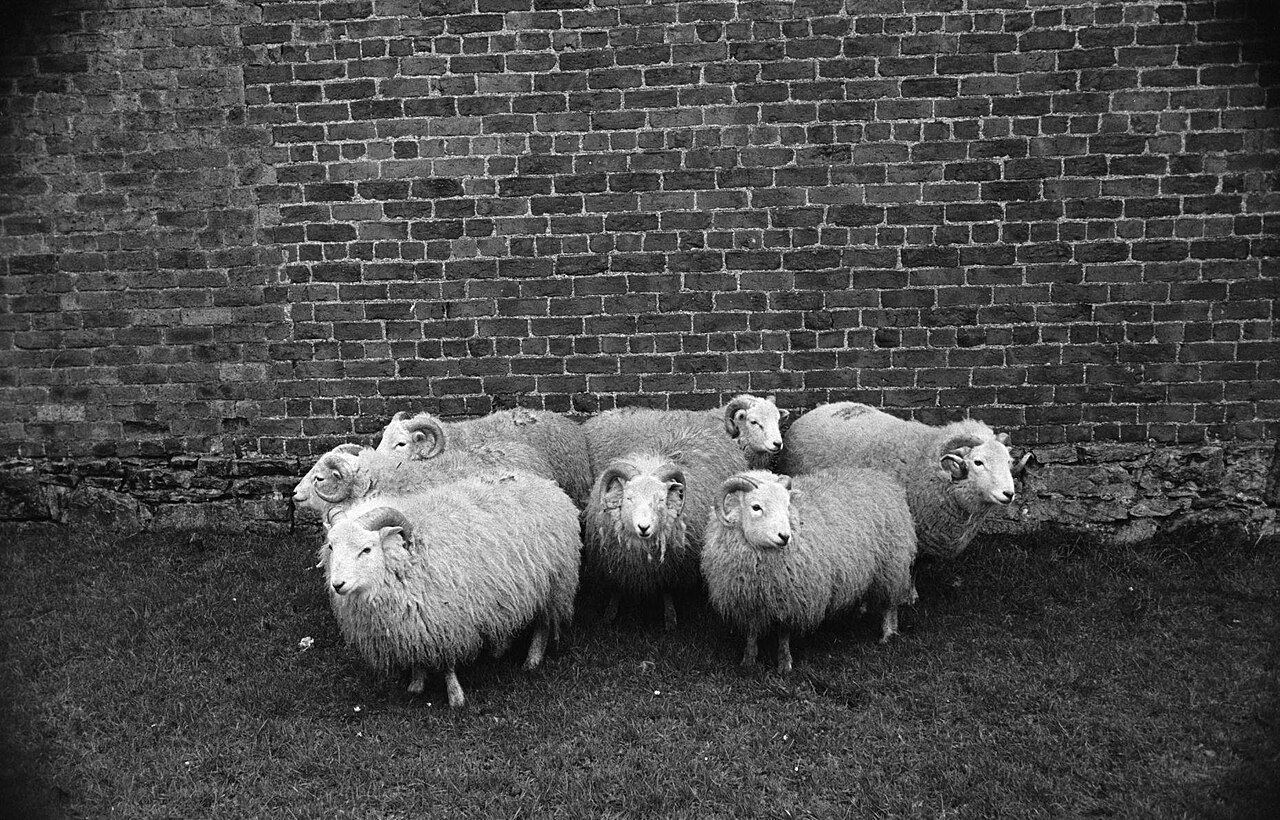
Livestock farmers in the UK have been warned not to trade leftover bluetongue vaccines after reports of illegal sales and swaps on social media, Farmers Weekly reports. The Veterinary Medicines Directorate (VMD) said vaccines obtained outside authorised supply chains could put animal health at risk because they may have been stored, handled or transported wrongly.
Bluetongue serotype 3 (BTV-3) vaccines are prescription-only medicines and cannot legally be transferred between livestock keepers, even when the person receiving them has a veterinary prescription. Farmers should buy them through their vet or an authorised online retailer.
Vets may split bottles between holdings if storage requirements are met and the doses are given within 10 hours of opening, and prescribed quantities can be decanted for farmers with proper labelling, instructions and records. The VMD warned, though, that BTV-3 is blood-borne, so opening or decanting vaccines carries biosecurity risks and may reduce their effectiveness. Unused vaccine should go back to the vet practice for disposal.
Confirmed bluetongue cases in Great Britain have reached 3,338 in the 2026-27 season: 2,812 in England, 478 in Wales and 48 in Scotland, with 513 more suspected cases under investigation, according to Defra figures published on 12 October. That compares with 348 confirmed cases in 2025-26, 163 in 2024-25 and 126 in 2023-24.
Phil Stocker, chief executive of the National Sheep Association, said reporting fatigue and testing backlogs could mean the official figures underestimate infections, and that vaccination volumes "have passed their peak and dropped off". Cooler weather will slow the virus and the midges that spread it, but bluetongue is still circulating, he said: "Please keep reporting. Talk to your vet."
Photo: Geoff Charles / Wikimedia Commons (CC BY-SA 4.0)
Source: Farmers Weekly

Comments
(0)