
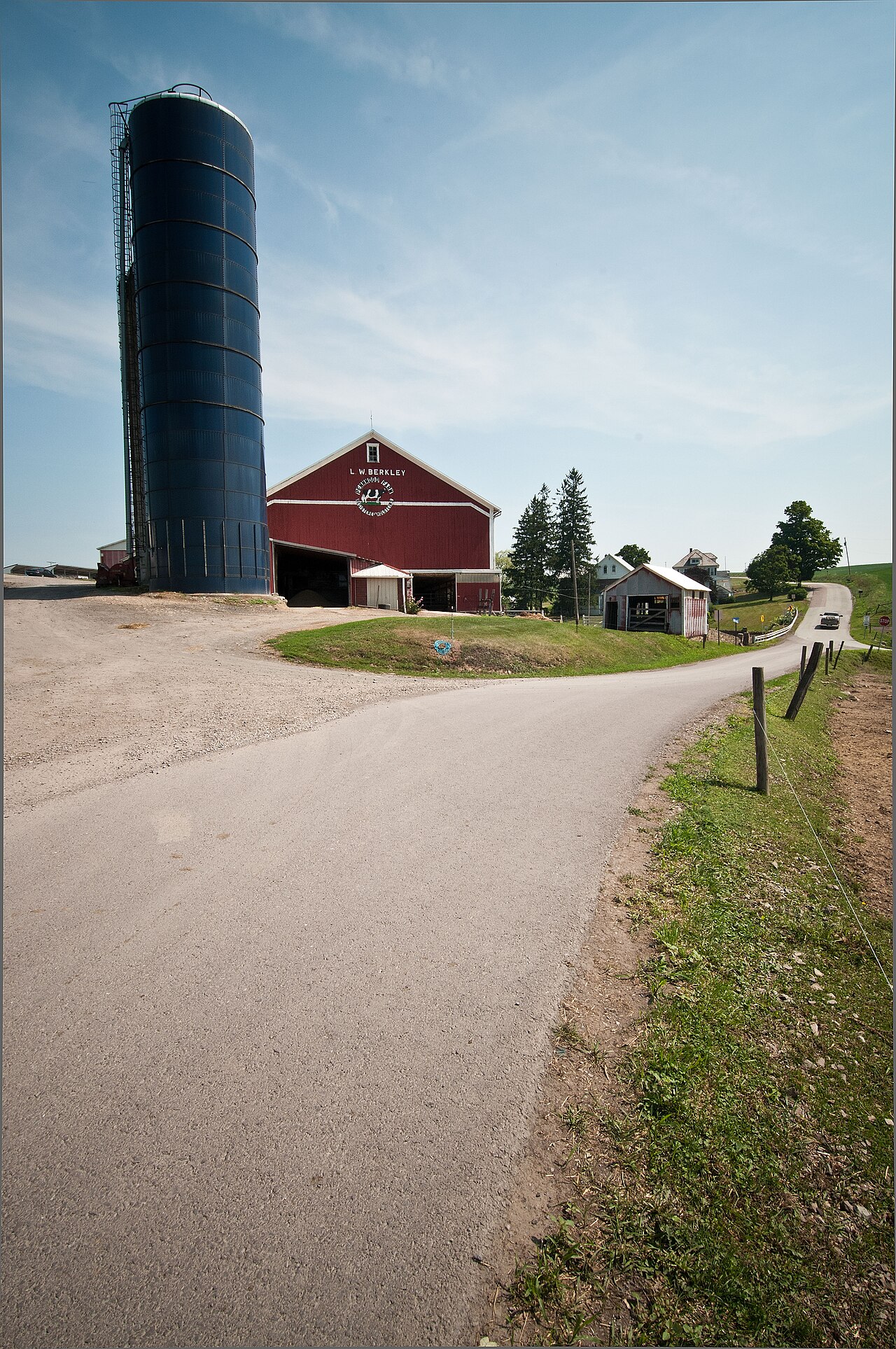
Adding plant biomass to dairy manure in an anaerobic digester could make farm biogas projects far more financially viable, and winter rye looks the best candidate, according to Penn State researchers, Farms.com reports.
Anaerobic digestion turns organic material into biogas for electricity or renewable natural gas, but many dairy projects struggle with construction and operating costs. "A key question is whether adding crop residues or dedicated biomass to manure can make these systems more financially viable," said senior author Juliana Vasco-Correa, assistant professor of agricultural and biological engineering. "The results of our study demonstrate that co-digestion with plant material can enhance the economic performance of manure-based anaerobic digestion."
The study, published in Biomass Conversion and Biorefinery, modelled a 1,000-cow dairy in the northeastern United States and compared manure-only digestion with mixes of manure and switchgrass, winter rye or corn stover, for both electricity and renewable natural gas. Switchgrass can grow on marginal land and corn stover uses crop residue, but winter rye stood out: it can be planted between cash crops without taking extra land and gave the highest biogas yield.
The capital support needed to reach break-even, such as grants and loan guarantees, fell from about 47% for manure-only systems to as little as 4% in the best co-digestion scenario. First author Camila Valderrama said larger systems improved the economics of renewable natural gas but could make electricity less attractive, so scale and end use must be considered together.
The researchers say the model can be adapted to other farm sizes, feedstocks, locations and markets, and they have made their models, code and data public.
Photo: USDA / Wikimedia Commons (Public domain)
Source: Farms.com
Comments
(0)