
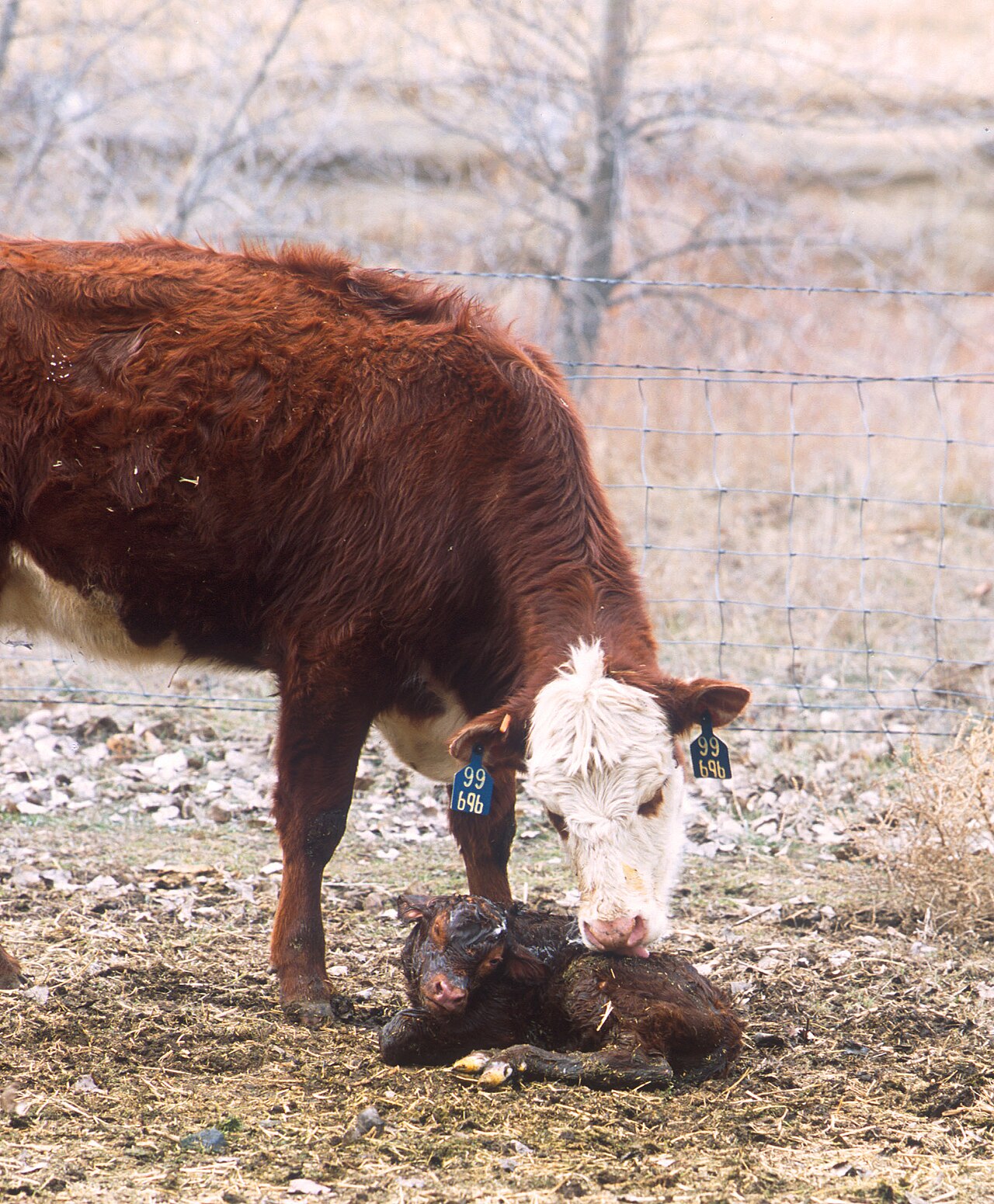
How a dairy farm houses cows at calving matters for cow welfare, easy births and the health of newborn calves, and both individual and group maternity pens can work if farms put cleanliness, space and low stress first, says Emily Fread, an extension educator with Penn State Extension, in advice published by Farms.com.
A 2014 US Department of Agriculture report found that about 70% of dairy farms moved cows to separate maternity areas before calving; a third of them used individual pens and two-thirds group housing. Group pens can save labour on larger farms, but overcrowding and competition for feed cause stress, especially when young heifers share space with mature cows, so separating heifers for the three weeks before and after calving can help.
Cows often seek privacy about four hours before calving, so moving them into the maternity area before labour begins can reduce disturbance and possibly the risk of difficult births. Individual pens suit cows that cannot find privacy in a group, and they limit newborn calves' exposure to pathogens and cross-suckling.
Recommended space is about 0.76 metres of feed bunk per cow, with stocking at 80% or less of bunk capacity, and about 13 square metres of resting space per cow. Bedding should be clean and dry, fresh feed and clean water always available, and electrolytes can be offered after calving. Facilities should be designed for at least 120% of the farm's average calving rate so peaks do not cause overcrowding, and cows may stay in the pen for up to two days after calving to eat and rest as lactation starts.
The best system depends on farm size, labour and the animals' needs, Fread says, but right stocking, low stress, hygiene and good nutrition support healthier cows and calves.
Photo: Scott Bauer, USDA ARS / Wikimedia Commons (Public domain)
Source: Farms.com
Comments
(0)