
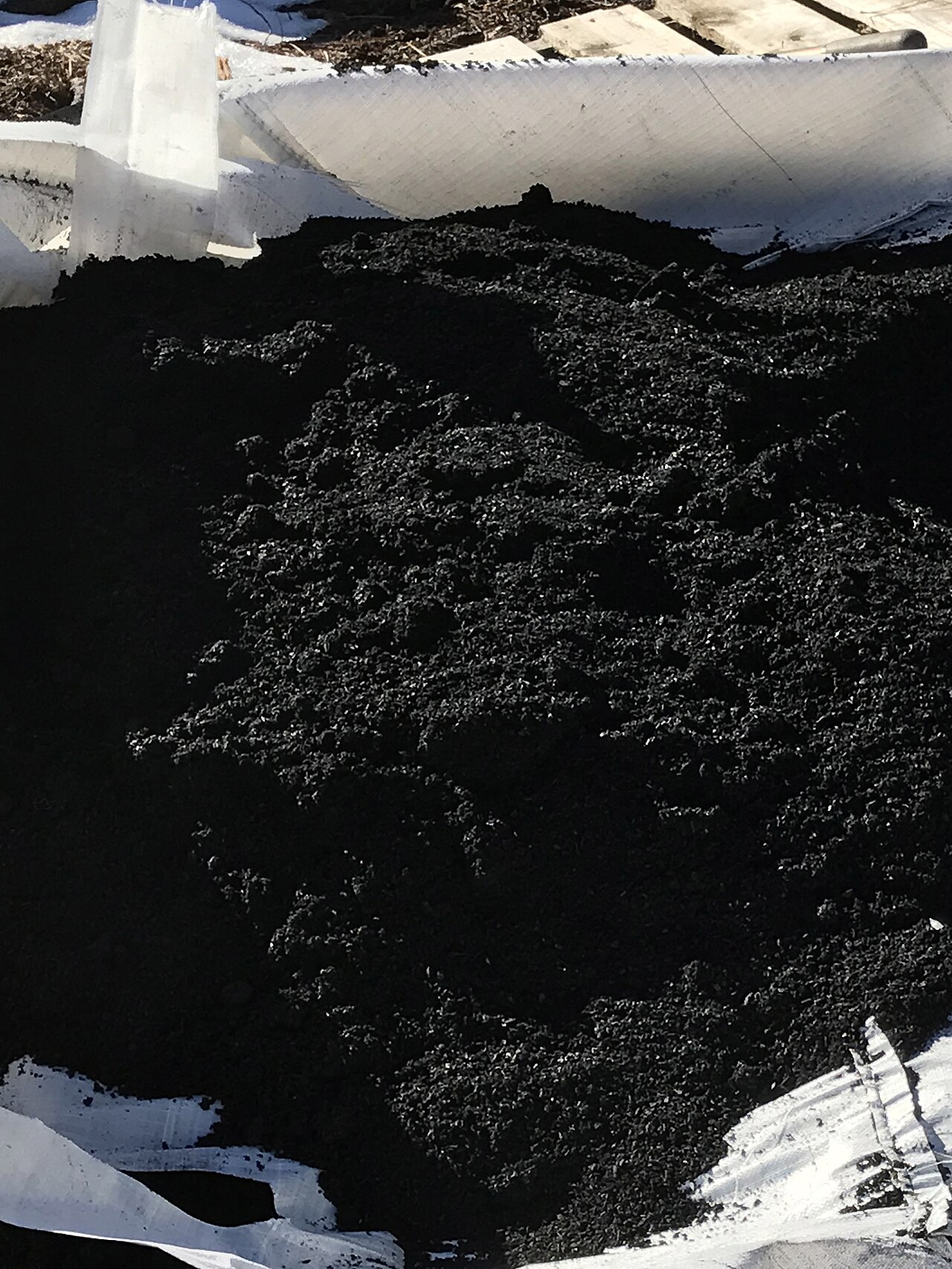
American farmers wary of biochar are about to get a large field test of it. The US Department of Agriculture's Natural Resources Conservation Service has awarded American Farmland Trust nearly $5 million over five years, through the On-Farm Trials part of its Conservation Innovation Grants, to build a national network evaluating the material.
The Soil Health Management Systems Network will link 35 demonstration farms in 14 states and five regions with more than 20 partner organisations. It builds on the trust's existing biochar and cover crop trials in California, Illinois, Kentucky, Maine, Massachusetts, Nebraska, New York and Washington. Arizona, Maryland, North Carolina, Texas, Virginia and Wisconsin will now join.
Biochar, a charcoal-like material, will not be tested alone. Researchers will apply it alongside cover crops, reduced tillage, compost, manure management, agroforestry, diversified rotations and livestock integration. The trials span vegetables, potatoes, peanuts, cotton, corn, soybeans, wheat, almonds, dairy and forage crops, with particular attention to places short of water or with disturbed soils.
The trust's climate and soil health director, Dr Bianca Moebius-Clune, who is the project's principal investigator, listed the possible benefits: more stable and higher yields, better profitability, more beneficial microbes, more water available in the soil and a quick way to improve degraded land. Turning low-value biomass such as forest debris into biochar could also cut wildfire risk, she said. These are potential gains, which is the reason for the trials.
"Farmers and ranchers want to see how new practices perform on farms like theirs before they invest in significant change," she said. The network is built around that hesitation, with locally adapted systems and peer groups that connect farmers with one another, along with what the trust calls coordinated support for moving to new soil health practices.
Details of the award came from Michael Shulman, media relations strategist at the trust.
Photo: Deborah Page-Dumroese, USDA Forest Service / Wikimedia Commons (public domain)
Source: Farms.com
Comments
(0)