
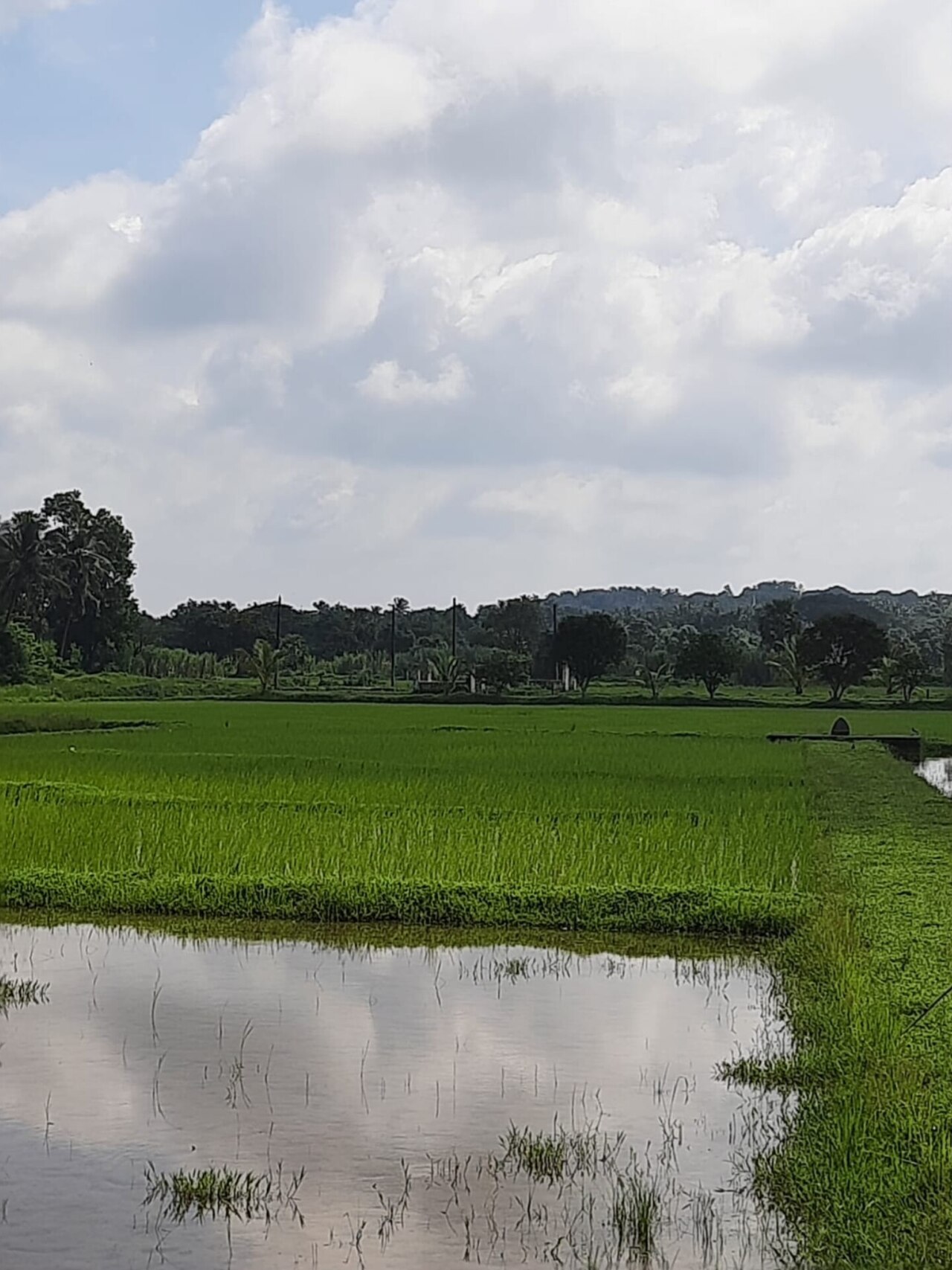
Farmers in southern Odisha whose paddy was still standing in floodwater from one cyclone have been watching a second one bring more rain. Cyclone Arnab came ashore in Andhra Pradesh on 28 October. Within a week Cyclone Murasu followed, making landfall near Ongole in the same state, and forecasters warned of heavy to very heavy rain in southern Odisha, including Ganjam and Gajapati.
Across the border in Prakasam and Bapatla districts of Andhra Pradesh, officials reported thousands of trees felled, hundreds of power poles damaged, fishing boats wrecked and farmland left under water. Murasu also brought heavy rain to Tamil Nadu and Puducherry.
In Odisha the fear is for a crop already hurt. Agriculture officials there had estimated crop damage of about 90,000 hectares in Ganjam, Kandhamal and Gajapati districts from Arnab, most of it paddy and particularly in Ganjam. That district alone has about 2.16 lakh hectares under paddy this kharif season, and it had reported losses on more than 3,402 hectares from separate floods in late September.
Farmers said a new round of rain could finish what the earlier storms began. Sameer Kumar Pradhan of Takarada village said standing paddy on about 10 acres of his land was still submerged in water from Arnab, and fresh rain would rot the roots of a crop already at the milking stage. Shankar Kumar Pati of Samantiapalli said more rain would destroy his entire paddy crop.
Odisha plans a survey of the losses from Arnab once the weather clears, said Manoranjan Roul, chief district agriculture officer for Ganjam. Chief Minister Mohan Charan Majhi announced 50 kilograms of rice and 2,500 rupees for every family affected by rain and flooding in the southern districts, with compensation for crop and property losses tied to Arnab.
Small and marginal farmers who lost 33 percent or more of their crop will receive an input subsidy of 8,500 rupees per hectare in rain-fed and non-irrigated areas, and 17,000 rupees per hectare where irrigation is assured. The state has also sent 145 more agriculture staff, including block officers and village workers, to assess the damage and manage the flooding.
Photo: Prathvi Acharya / Wikimedia Commons (CC BY 4.0)
Source: Global Agriculture



Comments
(0)