
A new British report has set £1.2 billion of public agricultural research funding from 2022 to 2026 against what the sector says it needs. The State of Agricultural Research and Innovation 2026 was produced by the Centre for Agricultural Research Impact, known as Ag.Impact, and launched on 20 October.
The comparison draws on more than 600 survey respondents, over 300 of them farmers, along with interviews and workshops. Most of the farmers surveyed put profitable farming at the top of their list. Across all groups, people agreed that research should tackle practical problems and involve farmers and growers from the start.
One figure stands out: interdisciplinary and cross-cutting projects account for only about 7 percent of the funding analysed. The report recommends closer coordination, reliable long-term funding, and investment in farm networks, skills, data-sharing, specialist facilities and long-term experiments. Professor Tom MacMillan, chief executive of Ag.Impact, said the aim is a clearer view of where money goes compared with where people say it is needed, so that funders can use the evidence.
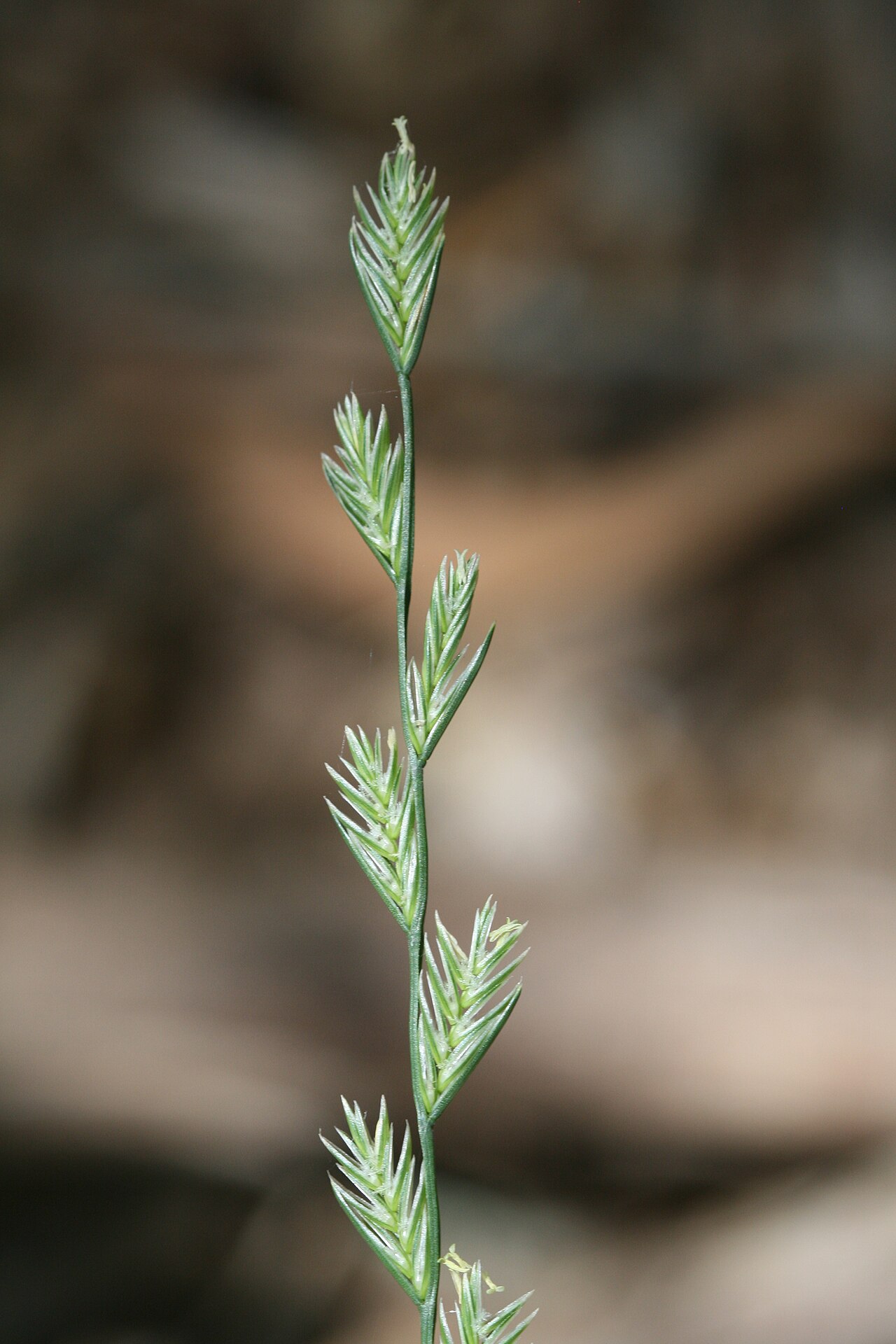
The time scale of crop breeding is the report's case for patience. It uses the work of the Institute of Biological, Environmental and Rural Sciences at Aberystwyth University as a case study. Developing improved grasses and legumes there can take 15 to 20 years, and the path from a laboratory discovery to a farmer's field runs through commercial partners including Germinal, Germinal Horizon and Senova.
Professor Iain Donnison, who heads the institute and sits on the report's steering group, said developing improved varieties often spans decades and needs sustained money and strong partnerships across the sector.
The report also points to shorter-term work that farmers can see. It highlights Defra's ADOPT programme, delivered by Innovate UK through the Farming Innovation Programme, which lets groups of farmers test ideas on their own land with research support and share the results. MacMillan said work of that kind needs to sit alongside programmes preparing for the future, because decisions taken today will shape the options open to farmers decades from now.
Ag.Impact plans to update the analysis every year.
Photo: Arthur Chapman / Wikimedia Commons (CC BY 2.0)
Source: Seed World Europe

Comments
(0)