
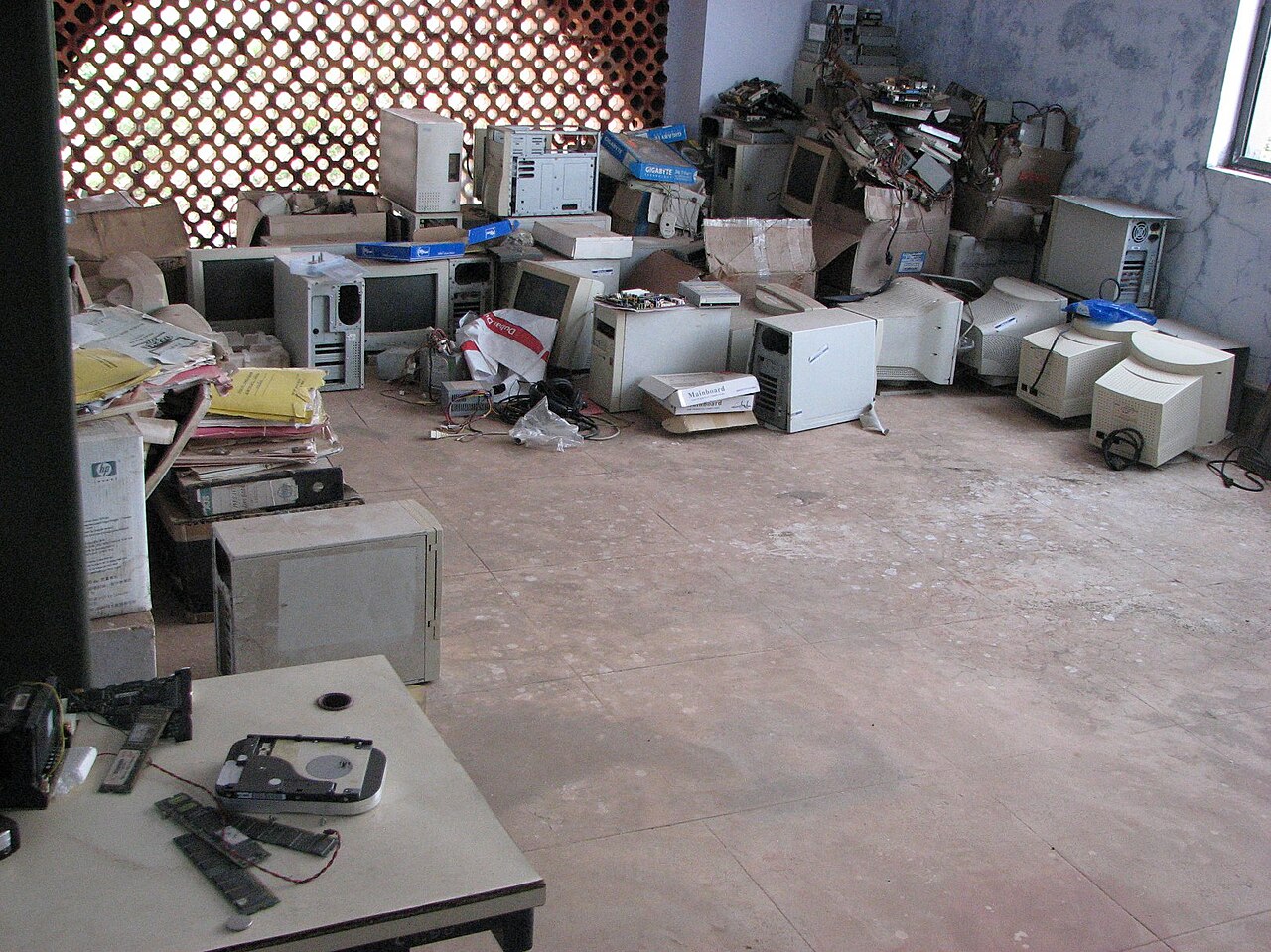
When smartphones, computers, televisions or fridges wear out, the electronic waste they leave contains valuable copper, iron, aluminium and gold, but can also hold lead, mercury and cadmium. Broken up, burned or recycled unsafely, these spread into soil, water and air and endanger the workers who handle them. Dr Md Ashraful Islam, associate professor of information and communication engineering at Rajshahi University, sets out the problem and what to do about it in an opinion piece for Dhaka Post. The views are the writer's own.
He cites the Global E-waste Monitor 2024 of the UN's ITU and UNITAR, which estimated that the world produced about 62 million tonnes of e-waste in 2022, only 22.3 percent of it documented as formally collected and recycled. On current trends the total could reach 82 million tonnes by 2030.
Bangladesh has the Hazardous Waste (E-waste) Management Rules 2021, which include extended producer responsibility, but the writer sees a large gap in enforcement. Citing a 2025 study by Transparency International Bangladesh, he writes that there is no reliable national data on how much e-waste is produced or recycled. A 2017 survey by BUET for the Department of Environment estimated about 13.3 million kilograms of e-waste a year, of which about 3 percent was reprocessed or exported and 97 percent of collection was informal, though he cautions that its methods should be checked before it is treated as a national figure.
From experience abroad, he proposes collection and recycling targets for producers and importers, with published progress, as in the European Union; take-back of old devices at shops and service centres when buying new ones, as in Japan; and, as in South Korea, fines higher than the cost of recycling when targets are missed. He also wants more repair and reuse of devices that can be fixed.
Citizens, he writes, should not throw old phones, computers or batteries out with household rubbish, but take them to approved collection points and repair them where possible. He calls for a national data system to measure e-waste volumes, collection rates and recycling, and for universities and research institutes to develop low-cost collection and safe recovery technology. Managed well, he argues, e-waste can become a source of resources and jobs rather than a burden.
Written by Dr Md Ashraful Islam, associate professor, Department of Information and Communication Engineering, Rajshahi University. The views are the writer's own.
Photo: An e-waste collection room, Praveenp / Wikimedia Commons (CC BY-SA 3.0)
Source: Dhaka Post

Comments
(0)