
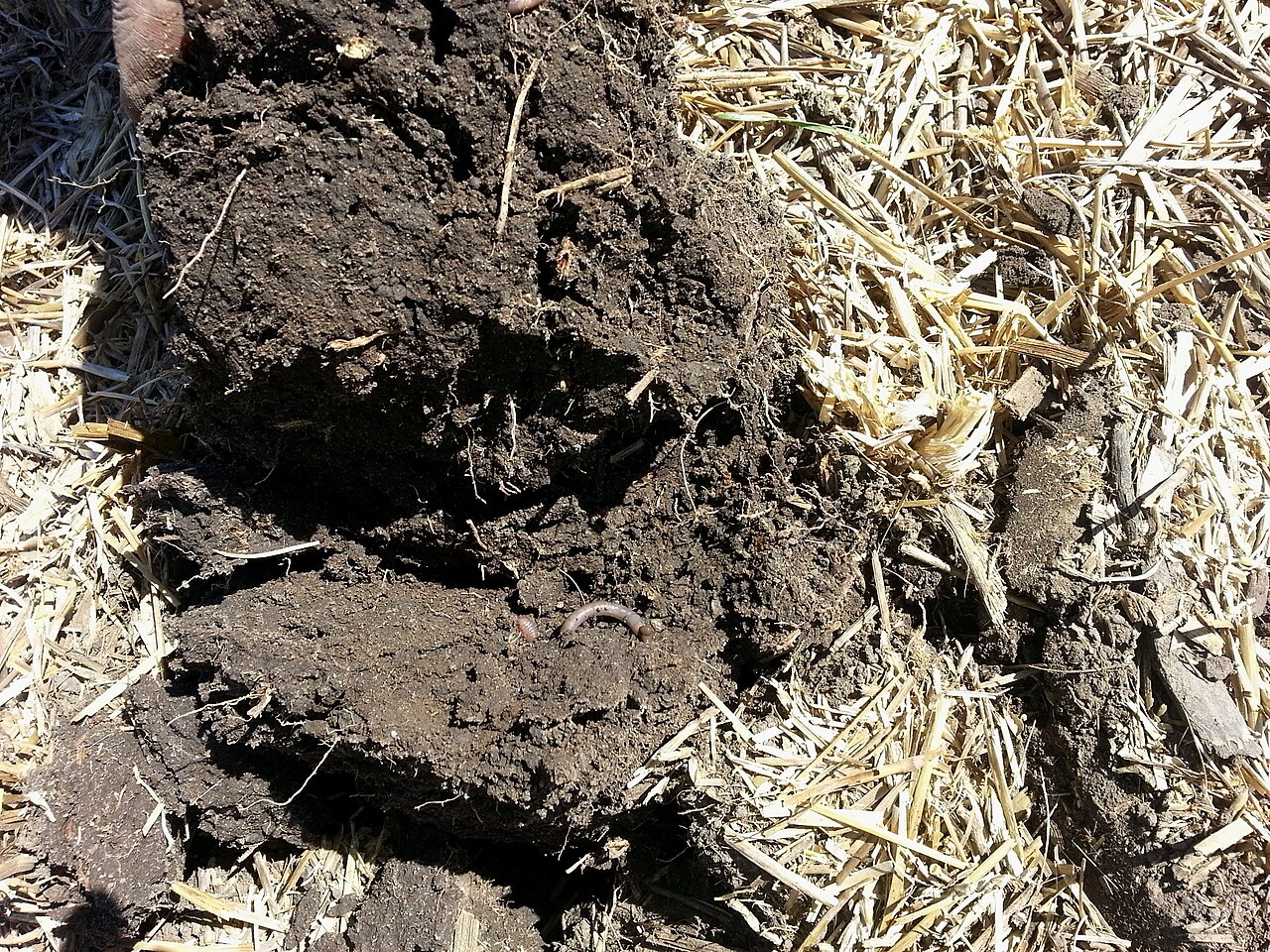
India spends heavily to feed its soils chemicals but does not measure the living organisms that make soil fertile, Sunita Narain of Down To Earth argues in a column and video presentation titled "Soil is the next gold". The views are the writer's own.
India's soil health card scheme, she writes, looks at chemical parameters: nitrogen, phosphorus, potassium, organic carbon and minerals such as zinc, magnesium and copper. The subsidy for chemical fertiliser is the largest charge on the public purse in this area, at Rs 1.71 lakh crore, roughly 3% of the annual budget, and with India the world's biggest importer of these fertilisers and supplies disrupted by the war in the Gulf, she expects it to double this financial year.
Her colleagues analysed the 13 million soil health cards produced between 2023 and 2025 and compared fertiliser use with nutrient levels. Despite a 20% increase in chemical fertiliser use, she writes, soils remained severely deficient in nitrogen and in other macro- and micronutrients, and about half of the samples were low in soil organic carbon. Declining soil health, in her view, means higher input costs and lower returns for farmers.
Narain argues that soil should be treated as a living system. Bacteria, fungi, algae, protozoa, earthworms and beetles work the soil so that plants can take up nutrients, and their diversity depends on the diversity of crops grown, much as the human gut's microbes depend on a varied diet. Soil organic carbon, she adds, counts both living and dead carbon and is only a proxy for biological health.
Soils are also among the world's largest carbon stores, and she says the same organisms are what allow them to lock away more carbon. Her conclusion is that India needs ways to monitor the biological health of soil "so that we do not discount the wealth below our feet", and new science to go with them.
Photo: USDA NRCS South Dakota / Wikimedia Commons (Public domain)
Source: Down To Earth



Comments
(0)